AI Appraisal Estimate

AI-generated estimates · not official valuations

From the user

What was submitted

Photo and notes provided by the user — not generated by AI

Submitted item photo
Submitted photo · June 2, 2026

User's notes

No additional notes provided.

AI analysis below

AI appraisal

AI analysis & estimate

AI-Generated · Verify before acting

Everything below is generated by AI for informational purposes only. AI can make mistakes — the AI may misidentify items or misattribute them (artist, maker, brand, designer, origin, era). This is not an official valuation and should not be used for insurance, sale, tax, estate, legal, or lending purposes — or any decision requiring a certified appraisal. It is not an authoritative claim about any person, brand, or rights holder — do not share or rely on it as a factual statement about a third party. Always consult qualified professionals before making financial decisions.

Read the full disclaimer

AI Identification

·Not independently authenticated·Verify before acting

Pink Depression Glass Tumbler with Rayed Bottom

Drinkware

AI Estimated Value

·Not an official valuation·Verify before acting

$10 - $25

As of June 2, 2026

AI Item Analysis

·AI can make mistakes·Verify before acting
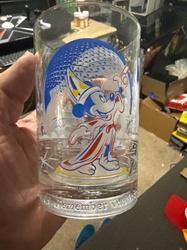
This item is a clear glass tumbler, likely a drinking glass, characterized by a distinct rose or light pink hue that suggests it is made from Depression-era glass. The primary color is a soft, translucent pink, visible around the rim and the thicker base of the glass, while the main body appears clearer or very lightly tinted. The most prominent feature is the starburst or rayed pattern deeply cut or molded into the center of the base, consisting of approximately sixteen radiating facets that catch and refract light. This pattern adds a decorative element and provides a degree of stability to the glass. The construction appears to be machine-made, typical of mass-produced glassware from the early to mid-20th century. The glass surface exhibits some minor scratches and scuffs consistent with typical use and age, particularly visible on the interior and exterior surfaces when viewed against the light. There are no apparent cracks, chips, or major repairs, indicating a relatively good preserved condition for its age. The rim has a smooth, slightly rounded edge. No visible maker's marks, signatures, or stamps are discernible from the provided image. The style is indicative of the Depression Glass period, commonly dating from the 1920s to the 1940s, known for its colored, often patterned, and affordable glassware. The overall craftsmanship is functional and decorative, typical of utilitarian yet aesthetically pleasing items from that era. Its unique color and patterned base are characteristic features suggesting its vintage origin.

AI Appraisal Report

·AI can make mistakes·Verify before acting
I have examined the provided image of this Pink Depression Glass Tumbler with Rayed Bottom. Visually, the tumbler appears authentic to the Depression Glass era, evidenced by its characteristic soft rose/light pink hue and the common molded construction. The deeply cut or molded rayed pattern on the base is a typical decorative element for this period, adding visual interest and some stability. The condition appears to be relatively good for its age; I note minor scratches and scuffs which are consistent with typical use and do not significantly detract from its appeal. Importantly, I detect no visible chips, cracks, or repairs from the image, which is a positive factor. Market conditions for common Depression Glass tumblers are generally stable but not particularly high. While pink is a desirable color, tumblers are typically among the more common forms. Comparables in similar condition often retail in the $8-$20 range. Factors impacting value include the lack of a discernible manufacturer's mark, which, while common for some Depression Glass, means it cannot be attributed to a sought-after pattern or maker without further investigation. Demand for individual Depression Glass tumblers is moderate, mainly driven by collectors completing sets or those seeking decorative vintage items. It is crucial to note that this authenticity verification is limited to visual examination of the image. A full authentication would require in-person examination to verify glass quality, weight, and to detect any subtle imperfections or repairs not visible in photographs. Provenance documentation, although rare for items of this value, could confirm its origin. Scientific testing is generally not applied for items of this nature.

Get your items appraised

Instant estimates of your treasures with AI-powered appraisals

Browse More Appraisals