AI identification & appraisal estimate

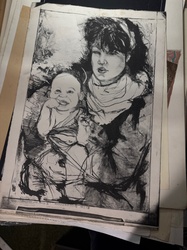
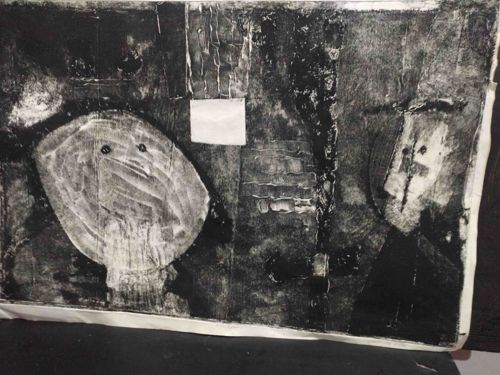
Abstract Figural Monotype or Collagraph Print

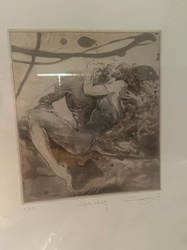
Submitted photo of Abstract Figural Monotype or Collagraph Print
Photo submitted by the user — not generated by AI

User's notes

Unknown artist, untitled sculpture

These notes were written by the person who submitted this item. Appraiser.AI has not verified them, and the AI's identification and estimate may rely on them.

AI Estimated Value

Not an official valuation

$400 - $600

AI estimate as of March 22, 2026 · verify with a professional before acting

AI-Generated · Verify before acting

Everything on this page is generated by AI for informational purposes only. AI can make mistakes — the AI may misidentify items or misattribute them (artist, maker, brand, designer, origin, era). This is not an official valuation and should not be used for insurance, sale, tax, estate, legal, or lending purposes — or any decision requiring a certified appraisal. It is not an authoritative claim about any person, brand, or rights holder — do not share or rely on it as a factual statement about a third party. Always consult qualified professionals before making financial decisions.

This analysis also relies on unverified notes provided by the user, which may be incomplete or inaccurate and could affect the result.

Read the full disclaimer

AI Item Analysis

This is a large-format, monochromatic abstract artwork executed in a style reminiscent of mid-20th-century Modernism or Neo-Expressionism. The piece appears to be a mixed-media print, possibly a monotype or collagraph, utilizing black ink on a heavy white paper or canvas substrate. The composition features two primary stylized figures: a large, rounded, mask-like head on the left with minimalist dot eyes, and a more angular, elongated figure on the right. The background is heavily textured with gestural marks, splatters, and organic shapes that suggest a complex layering technique. A notable white rectangular shape is positioned near the top center, providing a sharp geometric contrast to the fluid, darker forms. The application of ink shows a variety of densities, from deep, opaque blacks to thin, translucent washes that reveal the underlying texture of the medium. The artwork is currently unframed and shows visible signs of handling, including undulations in the paper/canvas along the bottom edge and some slight creasing, which is common for larger works on paper. There are no readily visible signatures or maker's marks on the front surface, which is consistent with the 'unknown artist' attribution. The craftsmanship reflects a sophisticated understanding of printmaking techniques and abstract composition, likely dating from the 1960s to the contemporary era.
AI Appraisal Report

Based on my visual examination of this large-format abstract work, it appears to be a monotype or collagraph print, likely executed in the late 20th century. The piece demonstrates a sophisticated command of texture and composition, utilizing heavy black inks against a stark white ground in a manner reminiscent of Neo-Expressionism (akin to followers of Dubuffet or Basquiat, though clearly distinct). The handling of the ink—ranging from deep saturation to gestural splatters—suggests a confident hand, indicating a professional or highly skilled academic artist rather than a hobbyist. Condition-wise, the work is fair to good. Being unframed, it exhibits noticeable undulation and soft handling creases along the edges, which is typical for large works on paper stored without backing. These issues are generally correctable with proper archival mounting. The primary limitation in value is the lack of attribution. Without a signature or provenance, the piece must be valued strictly as a decorative object of high aesthetic quality rather than an investment-grade asset. The market for 'Unknown' mid-century style abstraction is currently steady, driven by interior design trends favoring bold, monochromatic statement pieces. To raise this valuation significantly, physical inspection would be required to locate potential impressed blind stamps, watermarks in the paper, or verso notations that might identify the artist. Additionally, analyzing the ink chemistry could help narrow the dating. As it stands, the value is derived from its decorative merit, size, and evident technical skill.

Keep exploring

More fine art - prints & works on paper appraisals

Get your items appraised

Instant AI-powered appraisal estimates from a photo

Browse More Appraisals