AI Appraisal Estimate

AI-generated estimates · not official valuations

From the user

What was submitted

Photo and notes provided by the user — not generated by AI

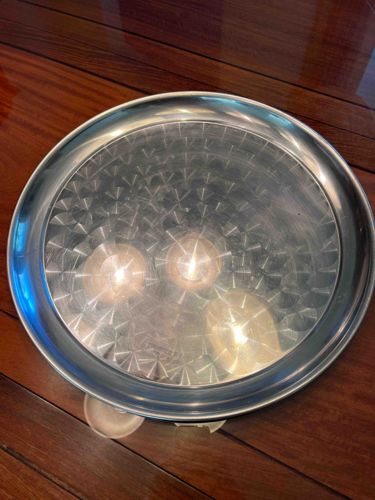
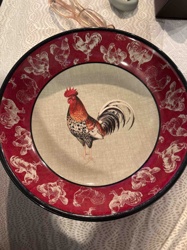
Submitted item photo
Submitted photo · June 6, 2026

User's notes

Metal serving tray, possibly pewter

AI analysis below

AI appraisal

AI analysis & estimate

AI-Generated · Verify before acting

Everything below is generated by AI for informational purposes only. AI can make mistakes — the AI may misidentify items or misattribute them (artist, maker, brand, designer, origin, era). This is not an official valuation and should not be used for insurance, sale, tax, estate, legal, or lending purposes — or any decision requiring a certified appraisal. It is not an authoritative claim about any person, brand, or rights holder — do not share or rely on it as a factual statement about a third party. Always consult qualified professionals before making financial decisions.

Note

This analysis also relies on unverified notes provided by the user, which may be incomplete or inaccurate and could affect the result.

Read the full disclaimer

AI Identification

·Not independently authenticated·Verify before acting

Mid-Century Hammered Metal Circular Serving Tray

Kitchenware / Tableware

AI Estimated Value

·Not an official valuation·Verify before acting

$35-65

As of June 6, 2026

AI Item Analysis

·AI can make mistakes·Verify before acting
This is a circular metal serving tray, likely constructed from polished stainless steel or a pewter-finish aluminum, exhibiting a distinctive 'fish-scale' or engine-turned hammered pattern across the interior surface. The tray features a raised, smooth-finished gallery rim that provides structural rigidity and a functional lip for containing items. Based on its aesthetic, it appears to be a Mid-Century Modern utility piece, likely dating from the 1950s to the 1970s. The reflective surface shows a cool-toned metallic luster, characteristic of durable household service ware from that era. Structurally, the piece shows minor surface abrasions and superficial scratching consistent with regular domestic use, particularly visible where light hits the central field. There are no signs of significant denting, warping, or deep metal fatigue. The craftsmanship is utilitarian yet elegant, with the repeating geometric impact marks suggesting a machine-applied decorative finish designed to hide fingerprints and minor scratches while adding visual interest. While no maker's mark is visible from this angle, the style is consistent with manufacturers like Farberware or similar mass-market quality producers of the 20th century. The overall condition is good to very good, maintaining its original form and reflective integrity.
AI Appraisal Report

·AI can make mistakes·Verify before acting
Upon my visual examination of this mid-century hammered metal serving tray, I find it to be a well-preserved example of 20th-century functional tableware. The tray exhibits a classic engine-turned 'fish-scale' pattern, a technique favored between 1950 and 1975 to mask utility wear while providing a decorative, reflective surface. The construction suggests polished aluminum or a chrome-plated steel rather than pewter, as the luster is quite bright and lacks the characteristic matte oxidation of lead-based alloys. The condition is very good, with only minor surface abrasions consistent with age; there is no evidence of the pitting or heavy oxidation often found in poorly stored metalware. The market for mid-century utility pieces remains stable but is currently saturated with mass-produced items from brands like Farberware, Buenilum, and Rodney Kent. While elegant, these pieces were manufactured in large quantities, which limits their rarity and subsequent market value. Comparables sold at auction and secondary markets typically fall within the double-digit range. My valuation reflects a decorative value rather than a fine-art or precious-metal value. Authenticity is assessed based on stylistic indicators and visible wear patterns. However, a definitive assessment of the base metal (aluminum vs. pewter) cannot be made without a physical weight test or chemical analysis. Furthermore, the absence of a visible maker’s mark in the provided documentation necessitates an in-person inspection of the underside to identify the manufacturer. Full authentication would require verifying the provenance or finding a stamped hallmark to confirm the production origin and date.

Get your items appraised

Instant estimates of your treasures with AI-powered appraisals

Browse More Appraisals