AI Appraisal Estimate

AI-generated estimates · not official valuations

From the user

What was submitted

Photo and notes provided by the user — not generated by AI

Submitted item photo
Submitted photo · June 13, 2026

User's notes

No additional notes provided.

AI analysis below

AI appraisal

AI analysis & estimate

AI-Generated · Verify before acting

Everything below is generated by AI for informational purposes only. AI can make mistakes — the AI may misidentify items or misattribute them (artist, maker, brand, designer, origin, era). This is not an official valuation and should not be used for insurance, sale, tax, estate, legal, or lending purposes — or any decision requiring a certified appraisal. It is not an authoritative claim about any person, brand, or rights holder — do not share or rely on it as a factual statement about a third party. Always consult qualified professionals before making financial decisions.

Read the full disclaimer

AI Identification

·Not independently authenticated·Verify before acting

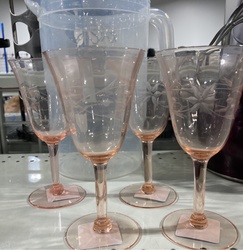
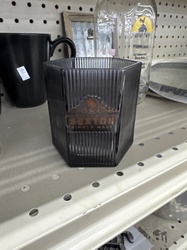
Pressed glass pitcher in the Early American Pattern Glass (EAPG) style

Glassware

AI Estimated Value

·Not an official valuation·Verify before acting

$40 - $75

As of June 13, 2026

AI Item Analysis

·AI can make mistakes·Verify before acting
This item is a clear glass pitcher featuring an intricate, all-over pressed design. The pattern is stylistically consistent with late 19th or early 20th-century Early American Pattern Glass (EAPG), featuring elements such as Hobstar, Cane, and Fan motifs arranged in vertical panels. The pitcher has a high, arched pouring spout and a large, applied-style handle that appears robust. Based on the photographic evidence, the glass exhibits a slight grayish or yellowish tint, which can sometimes be seen in older soda-lime glass or EAPG-style reproductions. There are no visible maker's marks, signatures, or etched logos to provide a specific manufacturer attribution; consequently, the identification remains a hypothesis based on form and decorative motifs. The condition appears fair, with visible surface grime and what may be light mineral deposits or 'clouding' consistent with age and previous use. Slight seam lines are visible along the body, confirming it was manufactured using a mold process rather than being hand-cut crystal. This piece serves as a characteristic example of mass-produced decorative tableware from the Victorian or Early Edwardian era style.

AI Appraisal Report

·AI can make mistakes·Verify before acting
Based on my examination of the image provided, the item is a clear pressed glass pitcher featuring motifs characteristic of the Early American Pattern Glass (EAPG) era, such as the Hobstar and Fan. I can observe visible mold seam lines and a slight discoloration in the glass, which are common traits of soda-lime glass from the late 19th or early 20th century. However, I cannot verify the specific manufacturer or age from a photo alone, as many companies produced similar patterns and several 20th-century reproductions exist. My valuation is a hypothesis based on the assumption that this is a period piece in the style described. The item's condition appears fair, with visible surface grime and potential clouding or mineral deposits. These factors significantly impact marketability, as collectors prioritize clarity and lack of 'sick glass' syndrome. The value of $40–$75 reflects current general market behavior for unattributed EAPG-style tableware in similar condition. If it were discovered to be a later mid-20th-century reproduction or 'in the style of' piece with no historical provenance, the value would likely fall below $20. Conversely, if it were linked to a highly sought-after manufacturer like Bryce, Higbee & Co. through a verified catalog match, the value could increase. To move beyond this hypothesis, a physical inspection is necessary to check for specific wear patterns on the base and to determine if the clouding is surface-level or permanent glass rot. This estimate assumes the item is an unauthenticated period piece; a certain identification of age or maker would require UV light testing, weight analysis, and comparison against known period catalogs.

Related Tags

Explore similar items and categories

Get your items appraised

Instant estimates of your treasures with AI-powered appraisals

Browse More Appraisals