AI Appraisal Estimate

AI-generated estimates · not official valuations

From the user

What was submitted

Photo and notes provided by the user — not generated by AI

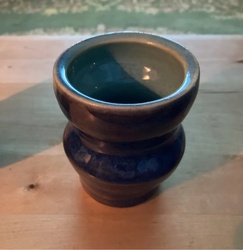
Submitted item photo
Submitted photo · May 25, 2026

User's notes

No additional notes provided.

AI analysis below

AI appraisal

AI analysis & estimate

AI-Generated · Verify before acting

Everything below is generated by AI for informational purposes only. AI can make mistakes — the AI may misidentify items or misattribute them (artist, maker, brand, designer, origin, era). This is not an official valuation and should not be used for insurance, sale, tax, estate, legal, or lending purposes — or any decision requiring a certified appraisal. It is not an authoritative claim about any person, brand, or rights holder — do not share or rely on it as a factual statement about a third party. Always consult qualified professionals before making financial decisions.

Read the full disclaimer

AI Identification

·Not independently authenticated·Verify before acting

Vintage Rookwood Pottery Pink Glazed Trinket Dish

Art Pottery

AI Estimated Value

·Not an official valuation·Verify before acting

$45.00-$75.00

As of May 25, 2026

AI Item Analysis

·AI can make mistakes·Verify before acting
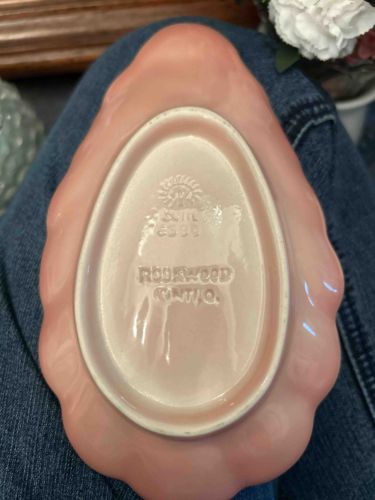
This item is a vintage ceramic trinket or nut dish produced by the renowned Rookwood Pottery Company of Cincinnati, Ohio. The piece features a soft, pastel pink semi-gloss glaze throughout, including the base. Physically, it possesses an organic, teardrop or leaf-like shape with scalloped, lobed edges that suggest a Mid-Century Modern or late Art Deco influence. The undersurface provides critical manufacturing details: it is impressed with the iconic Rookwood sun-burst 'RP' logo surrounded by fourteen flames, which traditionally indicates a production year of 1900 plus one flame for each year thereafter (though the flames here suggest a 1914 pattern or similar era). Below the logo, the Roman numerals 'XLIV' (44) and the mold number '6530' are clearly visible, followed by the stamped location 'ROOKWOOD CINTI. O.' The craftsmanship is of high quality, typical of Rookwood's industrial production period, with a smooth application of glaze and crisp mold details. The condition appears excellent with no visible chips, cracks, or significant crazing, though there is a light natural patina and very minor surface reflections consistent with age. This specific mold (6530) is characteristic of their smaller, functional giftware items produced in the mid-20th century.
AI Appraisal Report

·AI can make mistakes·Verify before acting
Upon examination of the provided digital images, I have assessed this Rookwood Pottery trinket dish, mold #6530. The piece demonstrates the high-quality industrial glazing and crisp mold work characteristic of Rookwood's mid-century production. The 'XLIV' mark dates the piece specifically to 1944, a period where Rookwood shifted toward more utilitarian, monochrome giftware. The condition appears to be excellent; the pink semi-gloss glaze shows no evidence of typical mid-century crazing, chips, or restoration, which is critical for maintaining value in these smaller scale production pieces. The market for mid-century Rookwood production pieces remains stable but modest. While high-glaze artist-signed vases from the early 20th century command thousands, these smaller stamped giftware items are considered entry-level collectibles. Comparables for mold 6530 and similar leaf-shaped dishes typically sell within the $40 to $80 range at specialized pottery auctions and vintage decor markets. The pastel pink glaze is a desirable mid-century color, though less rare than the matte greens or 'Tiger Eye' crystalline glazes. While the markings and glaze application appear authentic, I must state that this appraisal is based on photographic evidence alone. Proof of authenticity would require an in-person examination to verify the 'ring' of the ceramic (to rule out internal hairlines), the weight of the clay body, and a tactile inspection of the base to ensure the logos were not contemporary reproductions. Scientific testing is generally not cost-effective for items of this value, but provenance documentation from a known estate or physical inspection under long-wave UV light would confirm the absence of professional repairs.

Get your items appraised

Instant estimates of your treasures with AI-powered appraisals

Browse More Appraisals