AI identification & appraisal estimate

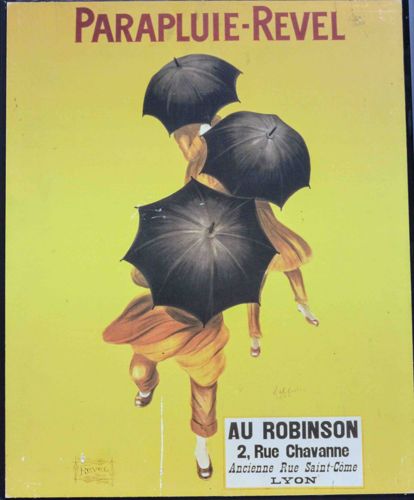
Parapluie-Revel Advertising Sign (Leonetto Cappiello design)

Submitted photo of Parapluie-Revel Advertising Sign (Leonetto Cappiello design)
Photo submitted by the user — not generated by AI

User's notes

Unknown artist, untitled artwork

These notes were written by the person who submitted this item. Appraiser.AI has not verified them, and the AI's identification and estimate may rely on them.

AI Estimated Value

Not an official valuation

$400 - $800

AI estimate as of March 22, 2026 · verify with a professional before acting

AI-Generated · Verify before acting

Everything on this page is generated by AI for informational purposes only. AI can make mistakes — the AI may misidentify items or misattribute them (artist, maker, brand, designer, origin, era). This is not an official valuation and should not be used for insurance, sale, tax, estate, legal, or lending purposes — or any decision requiring a certified appraisal. It is not an authoritative claim about any person, brand, or rights holder — do not share or rely on it as a factual statement about a third party. Always consult qualified professionals before making financial decisions.

This analysis also relies on unverified notes provided by the user, which may be incomplete or inaccurate and could affect the result.

Read the full disclaimer

AI Item Analysis

This is a vintage vertical advertising sign or lithographic poster for 'Parapluie-Revel,' a famous French umbrella brand. The artwork, originally designed by the renowned poster artist Leonetto Cappiello in 1922, features three dynamic figures in yellow-gold garments holding black umbrellas against a saturated yellow background. The figures are captured in a sense of motion, with their legs and clothing billowing as if in a gust of wind. The bold red typography 'PARAPLUIE-REVEL' spans across the top portion of the composition. In the lower-right corner, a white rectangular inset provides local merchant details: 'AU ROBINSON, 2, Rue Chavanne, Ancienne Rue Saint-Come, LYON.' The lower-left corner includes a small brand stamp or logo. Physically, the piece appears to be a printed metal (tin) sign or a mounted card lithograph, showing some signs of wear including minor surface abrasions, small white paint-like splatters or scratches on the lower left, and slight edge wear. The Art Deco style of the illustration is characterized by its simplicity, humor, and strong color contrast, which were hallmarks of Cappiello's revolutionary approach to modern advertising.

AI Appraisal Report

This item presents as a vintage advertising sign for 'Parapluie-Revel,' utilizing the iconic 1922 design by Leonetto Cappiello, the father of modern advertising. While the owner listed the artist as unknown, this imagery is unmistakably Cappiello's work, featuring his signature dynamic figures and bold color blocking. From my visual examination, this appears to be a smaller-format point-of-sale advertisement, likely a tin sign (tôle lithographiée) or a heavy card stock display intended for the 'Au Robinson' shop in Lyon, as noted by the retailer inset. This specific retailer overprint adds historical charm but can slightly limit broader appeal compared to a pristine generic version. Condition is a significant factor here; the piece shows definitive signs of age, including surface abrasions, edge wear, and noticeable white splatter marks on the lower left, likely paint or water damage. These flaws place it in 'good' rather than 'fine' condition, reducing the value from the higher end of the market. Original large-format lithographic posters of this design can fetch thousands ($2,000+), but smaller tin variants or counter cards generally trade in the hundreds. Comparables for similar tin signs range widely based on condition and size. To provide a definitive authentication, I would need to physically handle the item to verify the printing method (lithography vs. offset) and material gauge. Reproductions of Cappiello's work are ubiquitous; however, the specific wear patterns and the localized Lyon merchant text suggest this is likely an authentic period piece from the 1920s or 30s rather than a modern reprint. The value estimate reflects this assumption of period authenticity but accounts for the visible cosmetic damage.

Keep exploring

More vintage advertising and collectibles appraisals

Get your items appraised

Instant AI-powered appraisal estimates from a photo

Browse More Appraisals