AI Appraisal Estimate

AI-generated estimates · not official valuations

From the user

What was submitted

Photo and notes provided by the user — not generated by AI

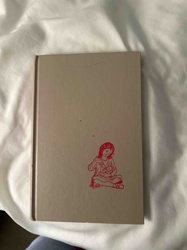
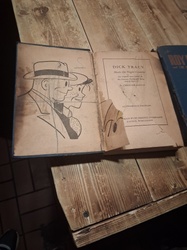
Submitted item photo
Submitted photo · June 3, 2026

User's notes

No additional notes provided.

AI analysis below

AI appraisal

AI analysis & estimate

AI-Generated · Verify before acting

Everything below is generated by AI for informational purposes only. AI can make mistakes — the AI may misidentify items or misattribute them (artist, maker, brand, designer, origin, era). This is not an official valuation and should not be used for insurance, sale, tax, estate, legal, or lending purposes — or any decision requiring a certified appraisal. It is not an authoritative claim about any person, brand, or rights holder — do not share or rely on it as a factual statement about a third party. Always consult qualified professionals before making financial decisions.

Read the full disclaimer

AI Identification

·Not independently authenticated·Verify before acting

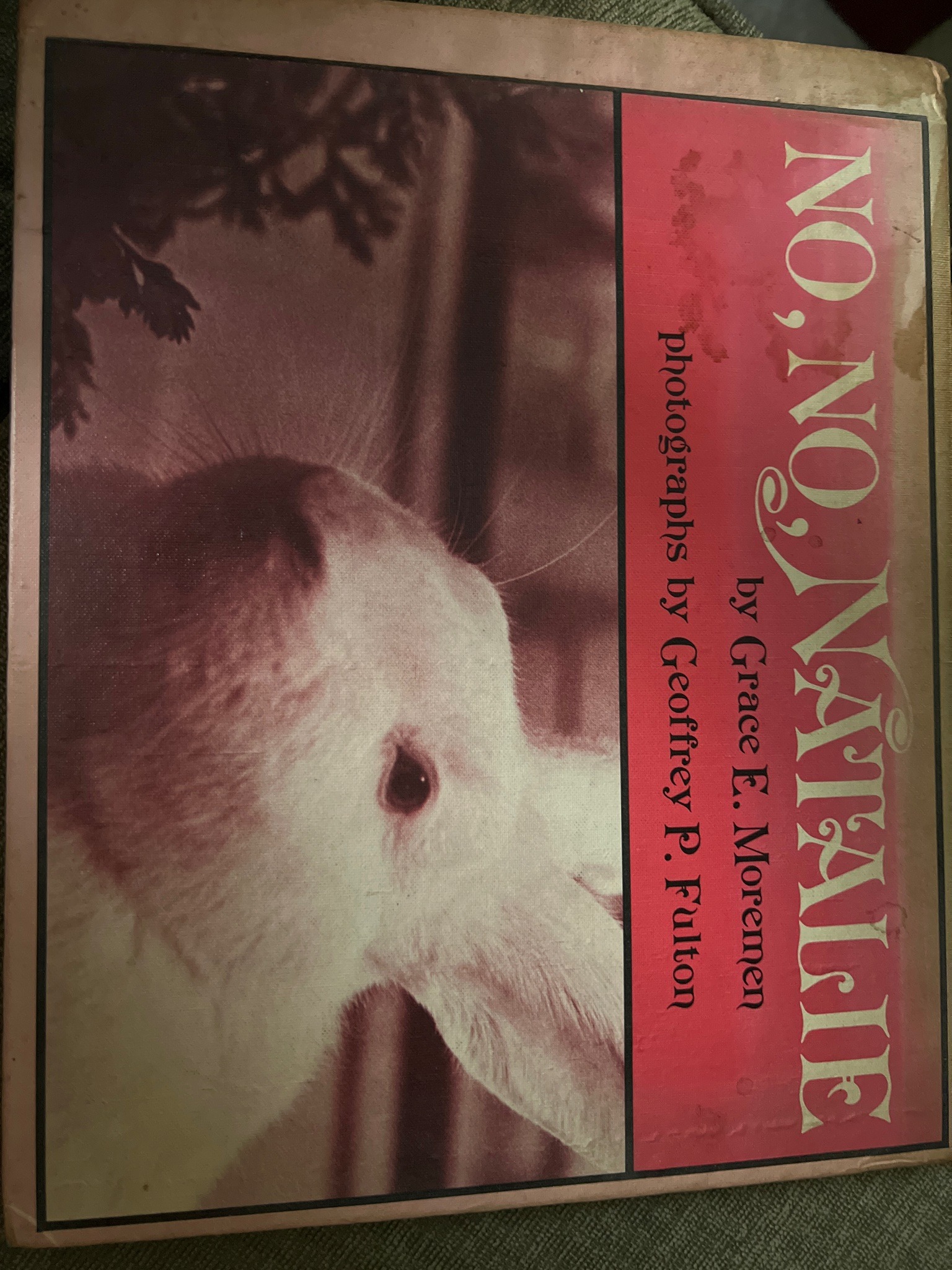
No, No, Natalie by Grace E. Moremen

Antique/Vintage Children's Books

AI Estimated Value

·Not an official valuation·Verify before acting

$10.00 - $20.00

As of June 3, 2026

AI Item Analysis

·AI can make mistakes·Verify before acting
This is a vintage hardcover children's book titled 'No, No, Natalie,' written by Grace E. Moremen with photography by Geoffrey P. Fulton. Published in 1973 by Childrens Press, this work fits the style of 1970s educational or narrative photography books for young readers. The cover features a distinctive design with a sepia-toned, high-contrast close-up photograph of a white rabbit (presumably Natalie) taking up the left two-thirds of the frame. The right third is dedicated to a vibrant pink/magenta vertical stripe containing the title in stylized, white serif typography and author credits in black. Physically, the book appears to be a library-bound or sturdy hardcover edition with a textured surface, possibly buckram or reinforced paper over board. Regarding condition, there is several notable issues: visible shelf wear and bumping at the corners, significant discoloration/browning at the upper right and left edges indicating age-related oxidation or tanning, and distinct water staining or foxing spots on the pink title area. There are also vertical scratches or scuffs running through the pink section near the bottom. The binding appears intact but shows softening at the spine ends. This book is a representative example of late 20th-century children's literature that utilized real-life photography rather than illustrations to convey a story.
AI Appraisal Report

·AI can make mistakes·Verify before acting
I have examined the digital image of the 1973 first edition of 'No, No, Natalie' by Grace E. Moremen. This title is a characteristic example of the photorealistic children's literature trend of the early 1970s. Upon my visual inspection, the item shows significant signs of wear consistent with a library-circulated or heavily used household copy. Notable defects include 'bumping' of the corners, shelf wear on the edges, and distinct foxing or water spotting on the pink vertical border. The tanning on the cover suggests long-term exposure to light or acidic environments. While the binding remains intact, these cosmetic issues significantly depress the market value for high-end bibliophiles. Market conditions for 1970s Childrens Press titles are generally soft, as they were mass-produced for schools and libraries. Rarity is low to moderate; while it's not a common 'household name' title, copies appear regularly on the secondary market. The most significant value factors are the condition of the sepia-toned cover and the niche 'white rabbit' subject matter, which appeals primarily to specific animal book collectors. Final authentication is limited by digital viewing. To fully verify the value, an in-person inspection is required to check for internal markings (Ex-Libris stamps), verify the integrity of the hinges, and detect any 'old book' odors or mold that would further decrease value. No scientific testing is required for a book of this era, but provenance—such as a lack of library discard stamps—would slightly improve its desirability.

Get your items appraised

Instant estimates of your treasures with AI-powered appraisals

Browse More Appraisals