AI identification & appraisal estimate

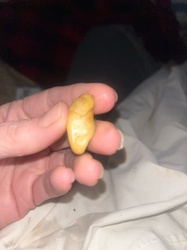
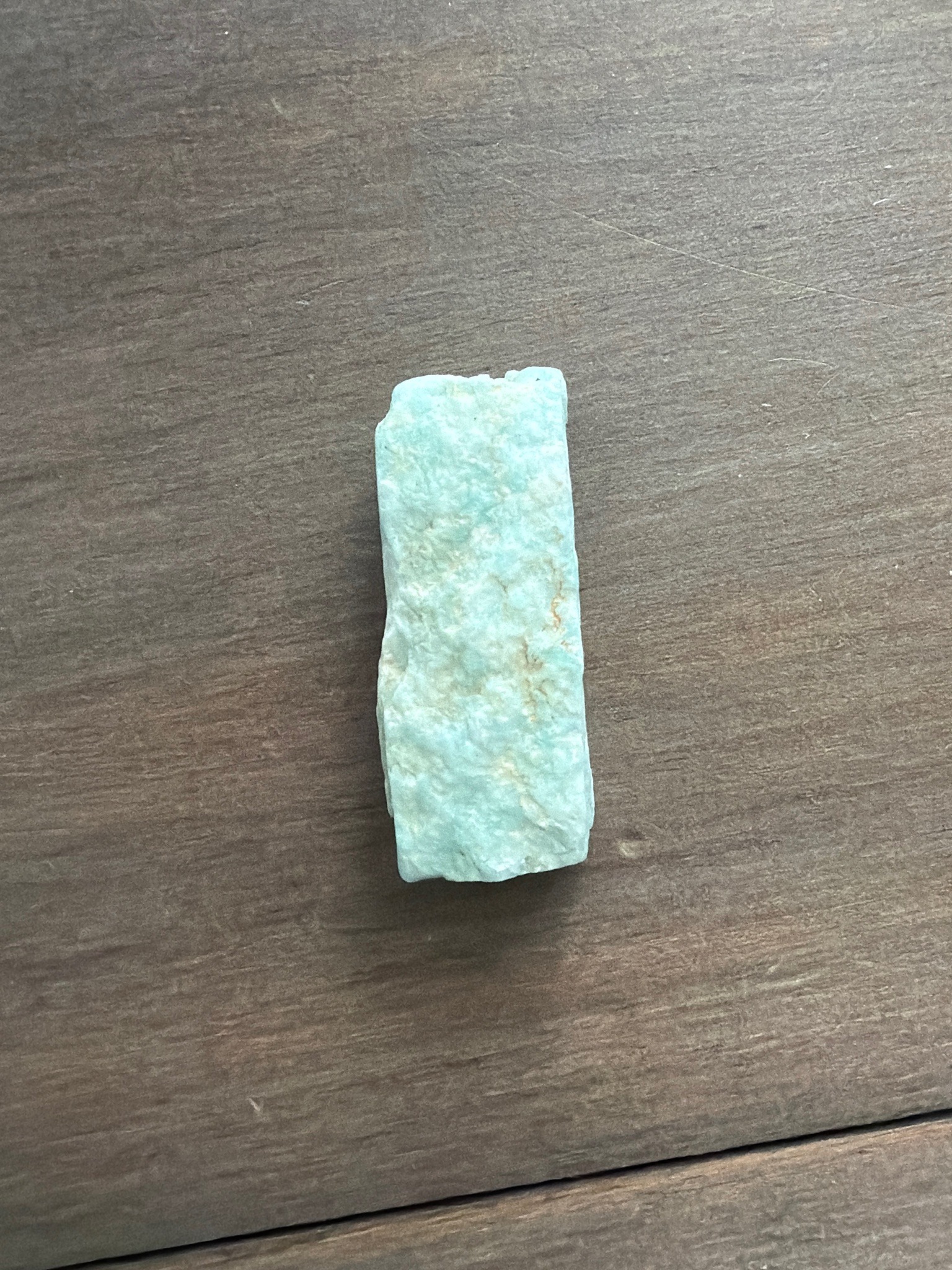
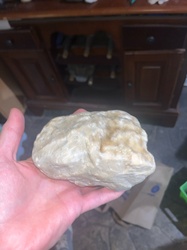
Rough mineral specimen consistent with blue-green feldspar

This name is the AI's identification of the item — it may be incorrect.

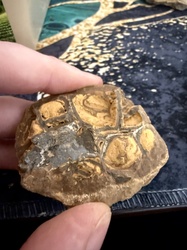
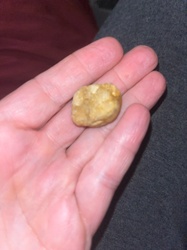
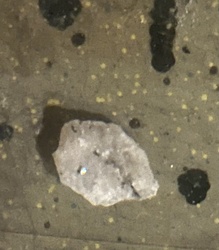
Submitted photo of Rough mineral specimen consistent with blue-green feldspar
Photo submitted by the user — not generated by AI

AI Estimated Value

Not an official valuation

$5 - $15

AI estimate as of June 7, 2026 · verify with a professional before acting

AI-Generated · Verify before acting

Everything on this page is generated by AI for informational purposes only. AI can make mistakes — the AI may misidentify items or misattribute them (artist, maker, brand, designer, origin, era). This is not an official valuation and should not be used for insurance, sale, tax, estate, legal, or lending purposes — or any decision requiring a certified appraisal. It is not an authoritative claim about any person, brand, or rights holder — do not share or rely on it as a factual statement about a third party. Always consult qualified professionals before making financial decisions.

Read the full disclaimer

AI Item Analysis

This item is a small, unpolished mineral specimen with an elongated, rectangular form. The material exhibits a pale, seafoam-to-aquamarine blue-green coloration that is stylistically consistent with Amazonite, a variety of microcline feldspar. The surface texture is rough and matte, showing uneven fractures and jagged edges characteristic of a raw gemstone or mineral fragment. Throughout the specimen, there are subtle variations in opacity and color, as well as minor brownish-red spotting which appears consistent with iron oxide staining or secondary mineral inclusions. The specimen lacks any defining hallmarks, signatures, or etched labels, meaning its identification as a specific mineral remains a hypothesis based on visual properties like color and cleavage. Similar-looking materials could include certain types of aventurine or fluorite, though the opaque blue-green hue is most suggestive of Amazonite. Without physical testing for hardness, specific gravity, and crystal structure, the exact geological classification cannot be stated as a fact. The piece appears to be in its natural, found state with no evidence of industrial cutting, though some minor chipping from the larger source rock is visible at the edges.
AI Appraisal Report

Based on the visual evidence provided, I have performed a preliminary examination of this rough mineral specimen. The material displays a pale blue-green coloration and a blocky fracture pattern suggests a hypothesis that it is Amazonite (a variety of microcline feldspar). However, I cannot verify the exact geological classification from a photo alone; physical testing for hardness and specific gravity would be required to rule out similar-looking materials such as fluorite or sea glass. The specimen appears to be in a raw, unpolished state with visible iron oxide staining and minor edge chipping consistent with natural extraction. The value estimate is based on the assumption that this is a common Amazonite fragment of modest size and color saturation. In the current market, small rough mineral samples of this type are generally valued for their educational or decorative interest rather than as investment-grade gemstones. Should the specimen be identified as a more common material or a man-made substance, the value would likely drop to a nominal range of $1-$3. Conversely, if physical inspection reveals higher translucent quality or if the specimen is found to be a rarer mineral entirely, the value could increase slightly. For a professional identification, a gemological test is recommended. This estimate assumes a retail or gift-shop context for raw mineral specimens of this size and quality.

Keep exploring

More rocks and minerals appraisals

Get your items appraised

Instant AI-powered appraisal estimates from a photo

Browse More Appraisals