AI Appraisal Estimate

AI-generated estimates · not official valuations

From the user

What was submitted

Photo and notes provided by the user — not generated by AI

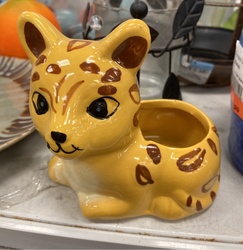
Submitted item photo
Submitted photo · June 25, 2026

User's notes

No additional notes provided.

AI analysis below

AI appraisal

AI analysis & estimate

AI-Generated · Verify before acting

Everything below is generated by AI for informational purposes only. AI can make mistakes — the AI may misidentify items or misattribute them (artist, maker, brand, designer, origin, era). This is not an official valuation and should not be used for insurance, sale, tax, estate, legal, or lending purposes — or any decision requiring a certified appraisal. It is not an authoritative claim about any person, brand, or rights holder — do not share or rely on it as a factual statement about a third party. Always consult qualified professionals before making financial decisions.

Read the full disclaimer

AI Identification

·Not independently authenticated·Verify before acting

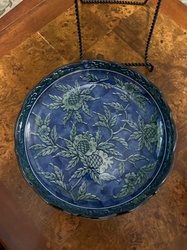
Multan Blue Pottery Decorative Plate

Ceramic Decorative Arts

AI Estimated Value

·Not an official valuation·Verify before acting

$150 - $250

As of June 25, 2026

AI Item Analysis

·AI can make mistakes·Verify before acting
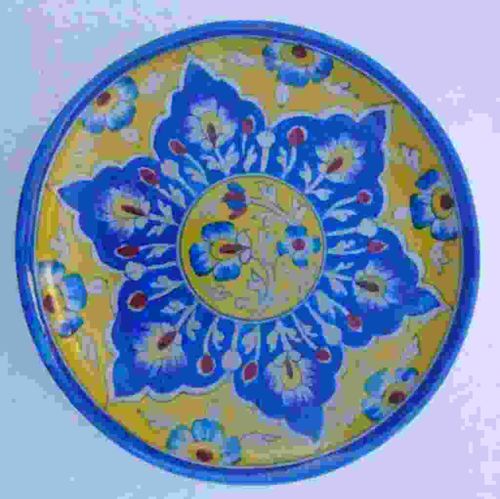
This is a circular decorative ceramic plate, hand-painted in the traditional 'Kashi Kari' style associated with Multan, Pakistan. The plate features a vibrant yellow background that serves as a high-contrast base for intricate cobalt and cerulean blue floral motifs. The central design consists of a five-petaled star or floral medallion containing a stylized bouquet, surrounded by larger foliate patterns and smaller scattered flowers near the rim. Red accents are used sparingly to highlight petal tips. The item is crafted from local clay with a distinct tin-glaze that provides a high-gloss, reflective finish. Physically, the plate appears to be approximately 8-12 inches in diameter with a slightly upturned rim finished in a solid blue border. The craftsmanship shows minor irregularities in the hand-painted lines, which is typical for authentic artisanal pieces rather than mass-produced transfers. While the glaze remains largely intact, there is a visible sheen indicating a well-preserved surface, though close inspection might reveal typical crazing or minor kiln marks on the underside. This style of pottery is rooted in Persian influences dating back centuries, though this specific piece likely dates from the mid-to-late 20th century.
AI Appraisal Report

·AI can make mistakes·Verify before acting
Upon visual examination of this Multan Blue Pottery 'Kashi Kari' plate, I find it to be a representative example of mid-to-late 20th-century Pakistani ceramic art. The vibrant saffron-yellow ground is a less common variation than the traditional blue-on-white, which enhances its decorative appeal. The hand-painted cobalt and cerulean motifs show the characteristic fluid stroke work of an experienced artisan, and the slight irregularities in the floral symmetry confirm its handmade origin over mass-produced screen prints. The glaze presents a high-gloss finish with visible light refraction typical of traditional tin-glazing techniques. The condition appears excellent with no visible chips or significant losses along the rim. Market demand for Multan pottery remains steady among collectors of Islamic and South Asian decorative arts, though values are currently constrained by a saturated market of contemporary imports. Comparable pieces of this size and era typically fetch between $100 and $300 at auction depending on the complexity of the pattern. The specific use of red accents and the yellow ground slightly elevate its rarity compared to standard blue-and-white palettes. However, there are significant limitations to this digital appraisal. I cannot physically verify the presence of crazing or kiln marks, nor can I confirm the weight and resonance of the clay body, which are vital for dating. A full authentication would require an in-person inspection of the unglazed footring to determine clay composition and an assessment of any maker's marks or signatures. Provenance documentation, such as original export papers or bill of sale, would be necessary to establish a definitive timeline and potentially increase the valuation toward the higher end of the range.

Get your items appraised

Instant estimates of your treasures with AI-powered appraisals

Browse More Appraisals