AI Appraisal Estimate

AI-generated estimates · not official valuations

From the user

What was submitted

Photo and notes provided by the user — not generated by AI

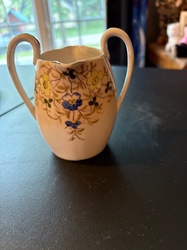
Submitted item photo
Submitted photo · June 1, 2026

User's notes

No additional notes provided.

AI analysis below

AI appraisal

AI analysis & estimate

AI-Generated · Verify before acting

Everything below is generated by AI for informational purposes only. AI can make mistakes — the AI may misidentify items or misattribute them (artist, maker, brand, designer, origin, era). This is not an official valuation and should not be used for insurance, sale, tax, estate, legal, or lending purposes — or any decision requiring a certified appraisal. It is not an authoritative claim about any person, brand, or rights holder — do not share or rely on it as a factual statement about a third party. Always consult qualified professionals before making financial decisions.

Read the full disclaimer

AI Identification

·Not independently authenticated·Verify before acting

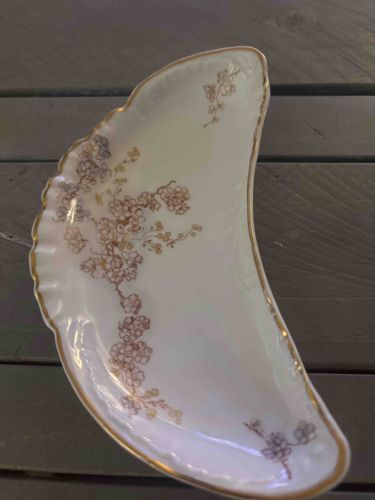
Antique Porcelain Crescent-Shaped Bone Dish

Antique Tableware / Porcelain & Ceramics

AI Estimated Value

·Not an official valuation·Verify before acting

$45.00 - $75.00

As of June 1, 2026

AI Item Analysis

·AI can make mistakes·Verify before acting
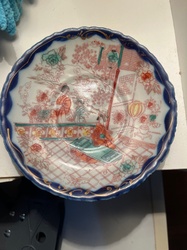
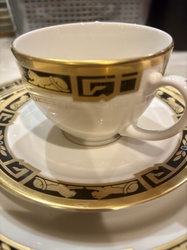
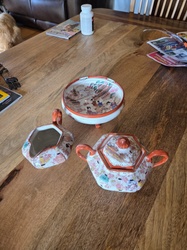
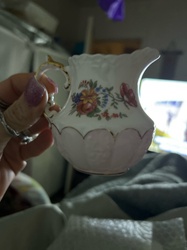
This is an antique crescent-shaped bone dish, typically used during the Victorian era for discarded fish or meat bones at the dining table. The piece is constructed from fine white porcelain or bone china, featuring a delicate scalloped or fluted outer edge highlighted by a thin gold-gilt rim. The interior is decorated with a brown or sepia-toned floral transferware pattern, depicting clusters of small blossoms resembling cherry or apple blossoms or perhaps hydrangeas. The design is subtly textured with raised molded porcelain detailing along the edges, indicating high-quality craftsmanship characteristic of late 19th to early 20th-century production. Its unique crescent shape (also known as a 'half-moon' or 'lunary' dish) was designed to fit snugly against the edge of a round dinner plate to conserve space. Condition-wise, the dish appears well-preserved with some visible thinning or rubbing of the gold gilt along the rim due to historical handling and cleaning. There are no obvious cracks or large chips visible in the image, though some minor kiln stilt marks or surface crazing are common for porcelain of this age (estimated circa 1880-1910). The transfer is crisp, featuring varying shades of brown that suggest a monochromatic aesthetic popular in European and American tableware during the Aesthetic Movement.
AI Appraisal Report

·AI can make mistakes·Verify before acting
Based on my visual examination of this crescent-shaped bone dish, I have identified it as a late Victorian-era piece, likely manufactured between 1885 and 1905. The sepia transferware floral motif and scalloped gilt edges align with the Aesthetic Movement's influence on functional tableware. The gold-gilt thinning on the rim is consistent with age and gentle use, while the lack of visible structural flaws suggests a well-preserved example. In the current market, while single bone dishes are common, those featuring intricate molded textures and preserved transfer patterns remain collectible for antique table setting enthusiasts. Comparable sales for individual unsigned floral transferware dishes of this quality typically fall in the $40 to $80 range, whereas matching sets of six or twelve command significant premiums. The brown monochrome palette is currently favored by collectors of farmhouse and 'shabby-chic' aesthetics. However, digital examination limits my ability to verify the presence of a maker's mark on the underside, which would significantly influence the valuation if identified as a prestige manufacturer like Wedgwood or Minton. A physical inspection is required to check for 'pinks' (hairline cracks invisible to the eye) and to differentiate between bone china and heavier porcelain via translucency tests. Full authentication would require verifying the backstamp and checking for resonance when struck to ensure structural integrity.

Get your items appraised

Instant estimates of your treasures with AI-powered appraisals

Browse More Appraisals