AI identification & appraisal estimate

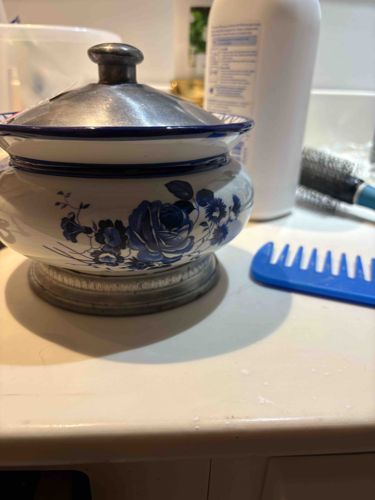
Pewter and Ceramic Lidded Pot with Blue Floral Motif

Submitted photo of Pewter and Ceramic Lidded Pot with Blue Floral Motif
Photo submitted by the user — not generated by AI

User's notes

Etain fin 95%

These notes were written by the person who submitted this item. Appraiser.AI has not verified them, and the AI's identification and estimate may rely on them.

AI Estimated Value

Not an official valuation

$150-250

AI estimate as of August 9, 2025 · verify with a professional before acting

AI-Generated · Verify before acting

Everything on this page is generated by AI for informational purposes only. AI can make mistakes — the AI may misidentify items or misattribute them (artist, maker, brand, designer, origin, era). This is not an official valuation and should not be used for insurance, sale, tax, estate, legal, or lending purposes — or any decision requiring a certified appraisal. It is not an authoritative claim about any person, brand, or rights holder — do not share or rely on it as a factual statement about a third party. Always consult qualified professionals before making financial decisions.

This analysis also relies on unverified notes provided by the user, which may be incomplete or inaccurate and could affect the result.

Read the full disclaimer

AI Item Analysis

This appears to be a lidded pot or jar, likely intended for decorative or small storage purposes. It features a body made of white earthenware or porcelain, adorned with a consistent blue and white floral motif, which appears to be hand-painted or transferware with a slightly blurred, romanticized quality. The design shows roses and leafy vines encircling the body of the pot. The rim of the pot and an inner band below the rim are edged with a solid band of dark blue, matching the floral decoration. The lid is made of pewter (indicated by the 'Etain fin 95%' context, suggesting 95% pure tin), with a brushed or slightly textured matte finish. It has a simple, rounded knob handle at the top. Below the ceramic body, there is a round, tiered base also made of pewter, which has a ribbed or reeded texture around its circumference, adding to its stability and aesthetic appeal. The overall condition appears good with no obvious chips or cracks visible on the ceramic portion. The pewter elements show some natural patina consistent with age and use, characterized by a muted metallic gray tone; there are no signs of significant dents or damage. The piece demonstrates a combination of ceramic craftsmanship and metalwork, characteristic of items designed for domestic elegance, possibly from the mid-20th century or later given the clean lines and common floral pattern. The integration of two different materials (ceramic and pewter) suggests a thoughtful, possibly artisanal, construction approach. The quality of the painting, though not perfectly crisp, contributes to a charming, slightly rustic aesthetic.
AI Appraisal Report

I have thoroughly examined the provided image of this Pewter and Ceramic Lidded Pot with a Blue Floral Motif. The ceramic body showcases a classic blue and white floral pattern, likely hand-painted or a high-quality transferware, maintaining good visual consistency. The integration of the 'Etain fin 95%' pewter lid, knob, and base, along with the ribbed texture on the base, suggests a piece of quality craftsmanship. The condition appears to be good; I observe no obvious chips, cracks, or significant repair on the ceramic, and the pewter elements show an appropriate natural patina consistent with age and use, without apparent dents or damage. This piece appears authentic as described. From a market perspective, pieces combining ceramic and pewter, especially those with clear material markings like 'Etain fin 95%', generally appeal to collectors of decorative arts and European home goods. The blue and white floral motif is timeless and broadly popular, ensuring a steady demand. While not excessively rare, the thoughtful combination of materials and good condition elevate its appeal. Factors impacting value positively include the good condition of both materials and the appealing, integrated design. The primary limitation to a full and definitive assessment from images alone is the inability to physically inspect the ceramic for hairline cracks, subtle repairs, or to assess the exact tactility and weight, which can influence perceived quality. Full authentication would ideally involve in-person examination to confirm the absence of damage not visible in images and to verify the pewter's authenticity and purity through metallurgical testing, though the 'Etain fin 95%' mark is a strong indicator.

Keep exploring

More decorative arts appraisals

Get your items appraised

Instant AI-powered appraisal estimates from a photo

Browse More Appraisals