AI Appraisal Estimate

AI-generated estimates · not official valuations

From the user

What was submitted

Photo and notes provided by the user — not generated by AI

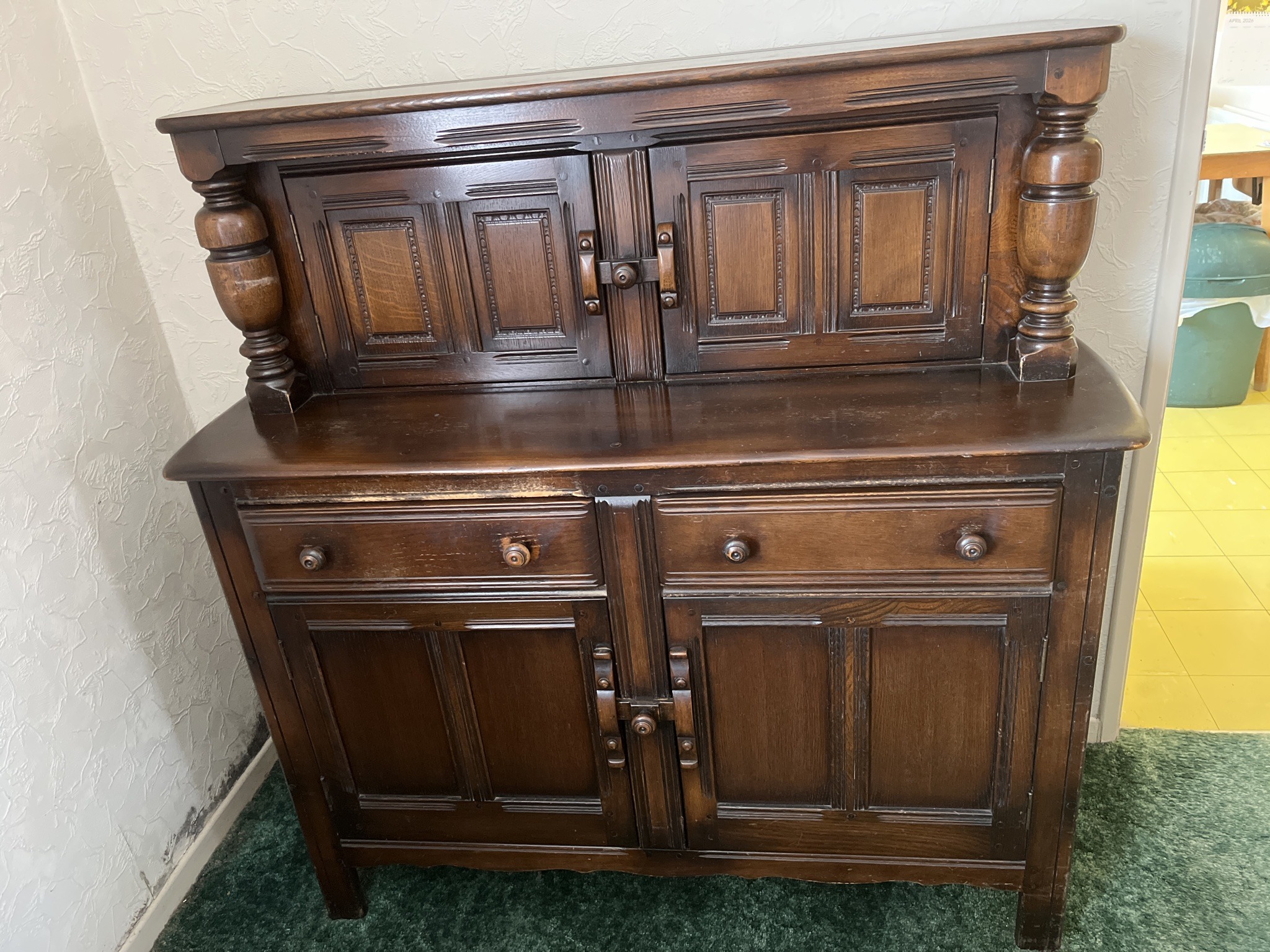
Submitted item photo
Submitted photo · June 13, 2026

User's notes

Antique sideboard

AI analysis below

AI appraisal

AI analysis & estimate

AI-Generated · Verify before acting

Everything below is generated by AI for informational purposes only. AI can make mistakes — the AI may misidentify items or misattribute them (artist, maker, brand, designer, origin, era). This is not an official valuation and should not be used for insurance, sale, tax, estate, legal, or lending purposes — or any decision requiring a certified appraisal. It is not an authoritative claim about any person, brand, or rights holder — do not share or rely on it as a factual statement about a third party. Always consult qualified professionals before making financial decisions.

Note

This analysis also relies on unverified notes provided by the user, which may be incomplete or inaccurate and could affect the result.

Read the full disclaimer

AI Identification

·Not independently authenticated·Verify before acting

Jacobean Revival Oak Court Cupboard Sideboard

Antique Furniture

AI Estimated Value

·Not an official valuation·Verify before acting

$400 - $650

As of June 13, 2026

AI Item Analysis

·AI can make mistakes·Verify before acting
This is a two-tier Jacobean Revival style court cupboard or sideboard, likely dating from the early to mid-20th century. Constructed typically from solid oak or oak veneers, it features a warm, medium-to-dark brown stained finish with a prominent wood grain. The upper section consists of a recessed cabinet flanked by heavy, bulbous turned supports (cup-and-cover style pillars) that support a slightly overhanging cornice decorated with geometric fluting. The upper cabinet doors feature recessed panels with carved dentil-like bordering. The lower section includes two side-by-side drawers with small wooden knobs, situated above a double-door cupboard. These lower doors are detailed with vertical stile moulding and primitive wooden butterfly-style latches or toggles. Visible condition includes surface scratching on the tabletop, minor finish wear concentrated along the front edge of the lower cabinet top, and some scuffing around the base. The piece exhibits characteristic machine-assisted craftsmanship common in reproduction furniture of the 1920s to 1940s. Its sturdy, blocky construction and traditional joinery elements like the exposed peg details on the stiles highlight its Tudor-inspired aesthetic.
AI Appraisal Report

·AI can make mistakes·Verify before acting
I have examined the provided details for this Jacobean Revival oak court cupboard. Based on the construction methods—specifically the presence of machine-assisted carving, standardized joinery, and the 'cup-and-cover' pillar design—this piece is a high-quality reproduction dating from approximately 1920–1940, rather than a 17th-century original. The condition is fair to good; the surface scratching on the tabletop and wear along the lower cabinet edge are consistent with its age and domestic use, though they do detract slightly from the immediate retail value. The market for Jacobean Revival furniture is currently stable but niche. While these pieces offer exceptional durability and a classic Tudor aesthetic, they face competition from mid-century modern and more minimalist antique styles. Rarity is low, as these were produced in significant quantities by English and American manufacturers during the early 20th century. The value is primarily driven by its functional utility and 'shabby chic' or 'English Country' decor appeal. Limitations to this appraisal include the inability to inspect the drawer interiors for dovetail technique (hand-cut vs. machine-cut) or examine the back panels for original saw marks, which would further confirm the 20th-century origin. For a definitive authentication, I would recommend an in-person inspection of the secondary woods and the hardware's oxidation levels. No scientific testing is required, but provenance regarding the manufacturer (e.g., Titchmarsh & Goodwin) could potentially increase the valuation toward the higher end of the provided range.

Get your items appraised

Instant estimates of your treasures with AI-powered appraisals

Browse More Appraisals