AI Appraisal Estimate

AI-generated estimates · not official valuations

From the user

What was submitted

Photo and notes provided by the user — not generated by AI

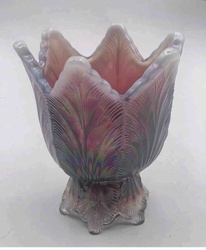
Submitted item photo
Submitted photo · June 8, 2026

User's notes

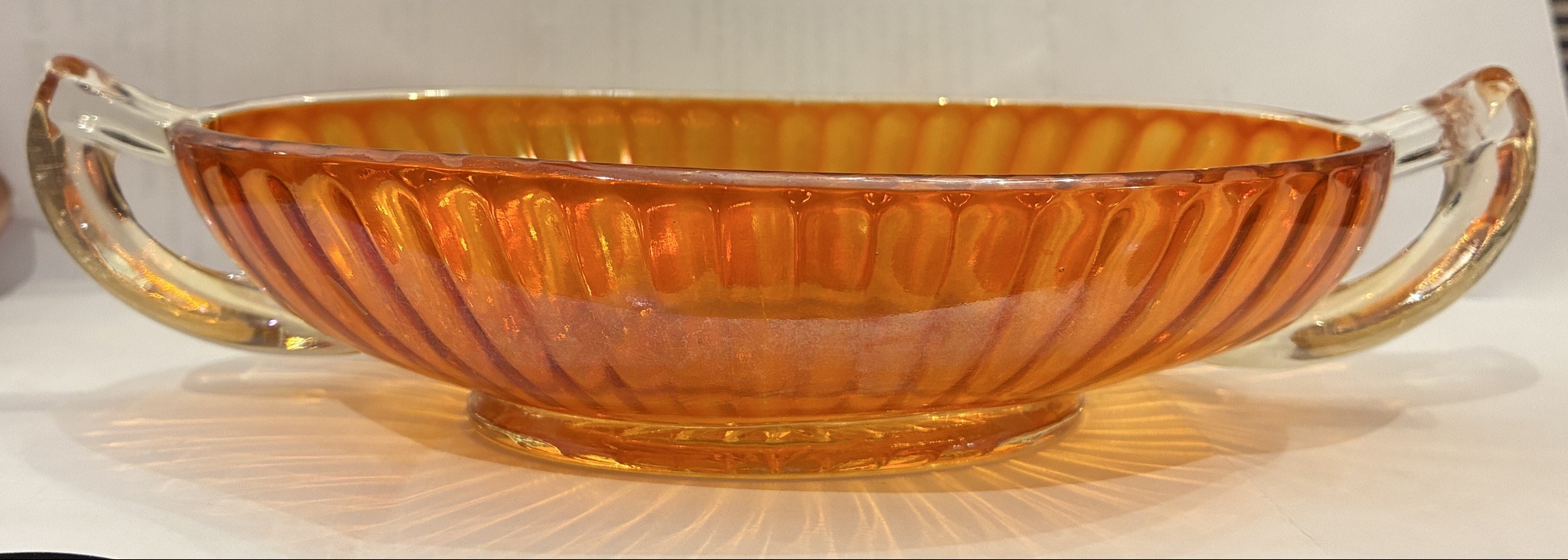
Carnival Glass 2 handled pickle or relish dish

AI analysis below

AI appraisal

AI analysis & estimate

AI-Generated · Verify before acting

Everything below is generated by AI for informational purposes only. AI can make mistakes — the AI may misidentify items or misattribute them (artist, maker, brand, designer, origin, era). This is not an official valuation and should not be used for insurance, sale, tax, estate, legal, or lending purposes — or any decision requiring a certified appraisal. It is not an authoritative claim about any person, brand, or rights holder — do not share or rely on it as a factual statement about a third party. Always consult qualified professionals before making financial decisions.

Note

This analysis also relies on unverified notes provided by the user, which may be incomplete or inaccurate and could affect the result.

Read the full disclaimer

AI Identification

·Not independently authenticated·Verify before acting

Marigold Carnival Glass Double-Handled Relish Dish

Antique/Vintage Decorative Glassware

AI Estimated Value

·Not an official valuation·Verify before acting

$25.00 - $40.00

As of June 8, 2026

AI Item Analysis

·AI can make mistakes·Verify before acting
This item is a 2-handled relish or pickle dish crafted from pressed Marigold Carnival Glass, likely dating to the early-to-mid 20th century. The piece features a shallow, oblong bowl supported by a low, circular pedestal base. The primary body is decorated with wide, vertical optic ribbing or fluting that radiates from the base to the smooth rim, creating a rhythmic play of light. The marigold iridized finish displays a warm, pumpkin-orange glow that transitions into lighter, yellowish tones at the extremities of the handles. These 'open loop' handles are applied to each side, providing a clear glass contrast to the deeply hued bowl. The iridescence shows a moderate luster, typical of classic American carnival glass makers like Fenton or Northwood, though no maker's marks are immediately visible in the photograph. The glass quality appears high with uniform wall thickness and well-defined molding. Regarding condition, there is a visible 'hazy' or 'cloudy' band running horizontally across the midsection of the bowl, which may indicate surface lime deposits or professional wear from frequent use. The rim and base appear structurally sound without significant chips, though minor shelf wear is expected on the underside of the foot.
AI Appraisal Report

·AI can make mistakes·Verify before acting
I have examined the digital representation of this Marigold Carnival Glass double-handled relish dish. The piece exhibits the characteristic 'pumpkin' orange hue and iridescent luster associated with the 'Golden Iris' or similar marigold finishes popularized by American manufacturers like Fenton, Northwood, and Imperial between 1910 and 1930. The optic ribbing is a classic design element of the period, and the open-loop handles appear typical of mass-produced pressed glass of the Depression era. Regarding condition, while the structural integrity appears sound, the horizontal 'cloudy' band is a significant detractor. If this is 'sickness' (permanent etching of the glass), the value is notably reduced. If it is topical lime scale, it may be remediable, though the current visual impact limits its appeal to top-tier collectors. The market for common Carnival Glass shapes, particularly marigolds which were produced in the highest volumes, is currently saturated. Comparable relish dishes in excellent condition frequently sell in the $30-$50 range at auction. Value is driven by the iridescence quality and the utility of the shape. Because this is a utilitarian relish dish rather than a rare pattern like 'Farmyard' or 'Peacock at the Urn,' it remains an affordable entry-level collectible. Authentication via photograph is limited. To confirm the maker and age definitively, I would need to inspect the piece in person to check for specific mold marks, 'straw marks' (cooling lines), and the specific 'feel' of the glass weight. A physical inspection would also determine if the cloudiness is surface-level or internal glass degradation. No scientific testing is required, but provenance documentation from the original owner could help confirm its specific manufacturing window.

Get your items appraised

Instant estimates of your treasures with AI-powered appraisals

Browse More Appraisals