AI Appraisal Estimate

AI-generated estimates · not official valuations

From the user

What was submitted

Photo and notes provided by the user — not generated by AI

Submitted item photo
Submitted photo · June 17, 2026

User's notes

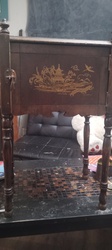
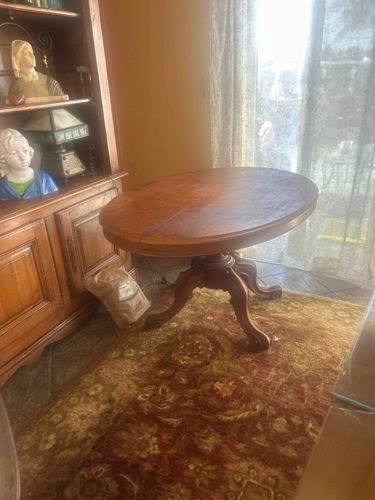
Oval burl wood parlor tilt top table

AI analysis below

AI appraisal

AI analysis & estimate

AI-Generated · Verify before acting

Everything below is generated by AI for informational purposes only. AI can make mistakes — the AI may misidentify items or misattribute them (artist, maker, brand, designer, origin, era). This is not an official valuation and should not be used for insurance, sale, tax, estate, legal, or lending purposes — or any decision requiring a certified appraisal. It is not an authoritative claim about any person, brand, or rights holder — do not share or rely on it as a factual statement about a third party. Always consult qualified professionals before making financial decisions.

Note

This analysis also relies on unverified notes provided by the user, which may be incomplete or inaccurate and could affect the result.

Read the full disclaimer

AI Identification

·Not independently authenticated·Verify before acting

Victorian Style Oval Burl Wood Tilt-Top Parlor Table

Antique Furniture

AI Estimated Value

·Not an official valuation·Verify before acting

$400 - $650

As of June 17, 2026

AI Item Analysis

·AI can make mistakes·Verify before acting
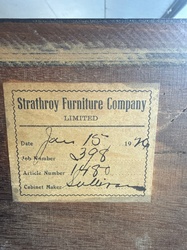
This is a Victorian-style parlor table featuring an oval top with a distinctive burl wood veneer grain pattern. The table is constructed with a tilt-top mechanism, a space-saving design popular in the late 19th and early 20th centuries. The piece is supported by a robust central turned pedestal which branches out into four elaborately carved cabriole legs, terminating in scroll feet. The wood exhibits a warm, medium-brown honey tone with visible natural variations and figuring characteristic of burl walnut or mahogany veneers. In terms of condition, there is a prominent vertical separation or seam running through the center of the tabletop, suggesting either a deliberate two-piece construction or a significant shrinkage gap in the veneer. The surface shows a duller patina with localized wear, minor scratches, and some cloudiness in the finish, likely due to age-related oxidation or light exposure. While no specific maker's marks are visible in the image, the ornate carving of the base and the use of matched veneer patterns indicate a mid-to-high level of craftsmanship consistent with late Victorian Revival furniture. The overall silhouette is characteristic of the Rococo Revival style, suggesting an age between 1870 and 1920.
AI Appraisal Report

·AI can make mistakes·Verify before acting
Based on my examination of this Victorian Rococo Revival tilt-top parlor table, I have assessed its value within the current secondary market for antique furniture. The piece exhibits high-quality burl walnut veneers and a well-executed quadruped pedestal base with scroll feet, typical of the late 19th-century aesthetic (circa 1870-1890). The tilt-top mechanism adds functional interest, though it was a common feature of this period. The most significant detraction from the value is the prominent vertical separation in the tabletop. While this may have originated as a book-matched seam, the visible gap suggests shrinkage of the underlying secondary wood or failure of the hide glue, which necessitates professional restoration. Furthermore, the finish appears cloudy or 'bloomed,' indicating moisture exposure or wax buildup that obscures the burl’s vibrancy. Currently, the market for large Victorian brown furniture is soft; collectors prioritize pieces in pristine condition or those with documented provenance. While the craftsmanship is superior to mass-produced revival pieces of the 1920s, the condition issues place it in a decorative rather than investment grade. This appraisal is based on visual evidence from images alone. A physical inspection is required to verify the integrity of the joinery and confirm if the top and base are original to one another (a 'marriage' would reduce value). I would also need to examine the underside for maker's marks or stencils to potentially elevate the valuation. Scientific wood identification could definitively confirm the species, though visual characteristics strongly suggest walnut burl.

Get your items appraised

Instant estimates of your treasures with AI-powered appraisals

Browse More Appraisals