AI Appraisal Estimate

AI-generated estimates · not official valuations

From the user

What was submitted

Photo and notes provided by the user — not generated by AI

Submitted item photo
Submitted photo · June 13, 2026

User's notes

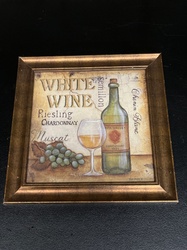
Print in frame

AI analysis below

AI appraisal

AI analysis & estimate

AI-Generated · Verify before acting

Everything below is generated by AI for informational purposes only. AI can make mistakes — the AI may misidentify items or misattribute them (artist, maker, brand, designer, origin, era). This is not an official valuation and should not be used for insurance, sale, tax, estate, legal, or lending purposes — or any decision requiring a certified appraisal. It is not an authoritative claim about any person, brand, or rights holder — do not share or rely on it as a factual statement about a third party. Always consult qualified professionals before making financial decisions.

Note

This analysis also relies on unverified notes provided by the user, which may be incomplete or inaccurate and could affect the result.

Read the full disclaimer

AI Identification

·Not independently authenticated·Verify before acting

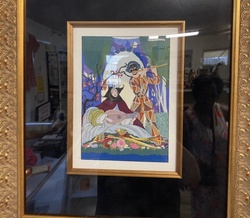
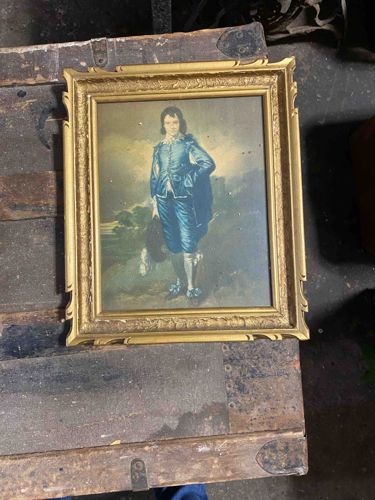
Framed Reproduction Print of 'The Blue Boy'

Decorative Art / Print

AI Estimated Value

·Not an official valuation·Verify before acting

$50 - $100

As of June 13, 2026

AI Item Analysis

·AI can make mistakes·Verify before acting
This item is a framed print featuring a reproduction of Thomas Gainsborough's renowned painting, 'The Blue Boy' (original titled portrait of Jonathan Buttall). The print itself depicts a young boy of aristocratic appearance, dressed head-to-toe in blue satin attire characteristic of 17th-century fashion despite the painting being from the late 18th century. He stands in a pastoral landscape, with muted greens and browns forming the background and a body of water faintly visible to the left. The colors in the print appear somewhat faded, suggesting age or prolonged exposure to light, and there are visible specks or dust marks on the surface of the print and the glass protecting it, indicating a need for cleaning or general wear. The print is housed within a substantial gold-colored frame, likely made of wood or a composite material, with ornate, scrolled carvings along its inner and outer edges, contributing to a classical or traditional aesthetic. The gold finish shows some signs of wear and minor discoloration, consistent with age and handling. The corners of the frame appear to have minor chips or abrasions. The overall condition suggests it is an older decorative piece, possibly from the mid-20th century or earlier, intended for home decor. The craftsmanship of the frame is typical of mass-produced decorative frames, offering a pleasing visual appeal without outstanding unique artisan features.
AI Appraisal Report

·AI can make mistakes·Verify before acting
Based on my visual examination of the provided image, this is a framed reproduction print of Thomas Gainsborough's 'The Blue Boy'. The print itself exhibits signs of age, with colors appearing somewhat faded and visible dust or specks on the surface and glass. This suggests a need for cleaning and indicates general wear. The piece is housed in a substantial gold-colored frame with ornate, scrolled carvings. While visually appealing, the frame's wear, minor discoloration, and chips at the corners are consistent with mass-produced decorative frames rather than artisan craftsmanship. In terms of authenticity, it is definitively a reproduction print, not an original work or a limited-edition fine art print. Its value is purely decorative. Market conditions for such vintage decorative prints are modest. Comparables in the secondary market (e.g., online marketplaces, antique shops) for similarly aged, mass-produced framed reproductions of well-known artworks typically range from low-end to mid-range decorative pricing. There is no rarity or significant demand for these items beyond aesthetic appeal for home decor. The significant factors impacting value are its decorative nature, the condition issues of both the print and the frame, and its status as a mass-produced reproduction. Without a physical inspection, it is impossible to determine if the print is mounted to a board, or the exact printing technique used, or to properly assess the extent of fading or potential dirt behind the glass. In-person examination would also confirm frame material and construction. Provenance documentation is irrelevant for a mass-produced item of this type. Scientific testing would not be necessary as it is clearly not an original artwork.

Get your items appraised

Instant estimates of your treasures with AI-powered appraisals

Browse More Appraisals