AI Appraisal Estimate

AI-generated estimates · not official valuations

From the user

What was submitted

Photo and notes provided by the user — not generated by AI

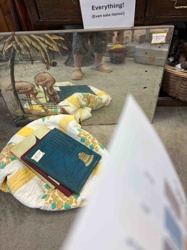
Submitted item photo
Submitted photo · June 8, 2026

User's notes

No additional notes provided.

AI analysis below

AI appraisal

AI analysis & estimate

AI-Generated · Verify before acting

Everything below is generated by AI for informational purposes only. AI can make mistakes — the AI may misidentify items or misattribute them (artist, maker, brand, designer, origin, era). This is not an official valuation and should not be used for insurance, sale, tax, estate, legal, or lending purposes — or any decision requiring a certified appraisal. It is not an authoritative claim about any person, brand, or rights holder — do not share or rely on it as a factual statement about a third party. Always consult qualified professionals before making financial decisions.

Read the full disclaimer

AI Identification

·Not independently authenticated·Verify before acting

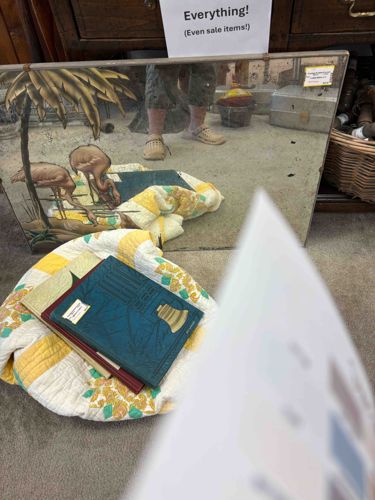
Vintage Reverse Painted Glass Mirror with Flamingo Motif

Decorative Art / Mirror

AI Estimated Value

·Not an official valuation·Verify before acting

$150-250

As of June 8, 2026

AI Item Analysis

·AI can make mistakes·Verify before acting
This item is a vintage reverse-painted glass mirror, likely dating from the mid-20th century, possibly the 1940s-1960s, indicated by the style of the artwork and the general aesthetic. The mirror features a decorative scene painted on the reverse side of the glass, depicting two flamingos standing in shallow water among lush tropical foliage, including a prominent palm tree. The colors used in the painting are muted yet vibrant, suggesting an artistic hand rather than a mass-produced decal. The flamingos are rendered in shades of pink and beige, while the water and sky are in blues and greens, and the foliage in various greens and browns. The overall construction appears to be a framed mirror, although the frame itself is not fully visible. The glass surface shows some wear consistent with age, including potential silvering loss or minor scratches that are visible in the reflective surface. There is a small label in the upper right corner of the mirror, which might contain manufacturing details or a price, but it's not decipherable. The quality of the reverse painting appears to be good, with decent detail in the subjects. The visible condition suggests normal age-related patina but no major structural damage. The item has a unique, somewhat kitschy retro charm that was popular during its estimated period of creation. It's an decorative piece that combines functionality with artistic expression, fitting well into vintage or eclectic decor styles.

AI Appraisal Report

·AI can make mistakes·Verify before acting
Based on my visual examination of the provided image, this vintage reverse-painted glass mirror with a flamingo motif appears to be an authentic mid-20th century decorative piece, likely from the 1940s-1960s. The artistic style, color palette, and 'kitsch' aesthetic are consistent with that period. The condition exhibits age-appropriate wear, including some visible surface irregularities and potential silvering loss, but no apparent major structural damage. The reverse painting itself seems well-preserved for its age, showcasing decent detail in the flamingos and tropical foliage. Market conditions for vintage reverse-painted mirrors, particularly those with popular motifs like flamingos, are generally stable, driven by collectors of mid-century decor and those seeking unique character pieces. While not exceptionally rare, quality examples with appealing imagery are sought after. Comparable sales for similar reverse-painted mirrors of this era, especially those depicting wildlife or scenic views, typically fall within the $100-$300 range, with premium for exceptional artistry or perfect condition. The charming subject matter and artistic execution enhance its desirability. A significant limitation of this appraisal is the lack of physical examination. While the visual cues suggest authenticity and reasonable condition, definitive confirmation of the painting's originality, the extent of silvering loss, or the true nature of the 'label' in the corner cannot be ascertained from an image alone. An in-person inspection would allow for a detailed assessment of the glass integrity, frame construction, and any artist signatures or manufacturing marks. Without physical inspection or provenance documentation, attribution to a specific artist or workshop remains speculative, and a scientific analysis would be required for precise material dating, though not typically performed for items in this value range.

Get your items appraised

Instant estimates of your treasures with AI-powered appraisals

Browse More Appraisals