AI Appraisal Estimate

AI-generated estimates · not official valuations

From the user

What was submitted

Photo and notes provided by the user — not generated by AI

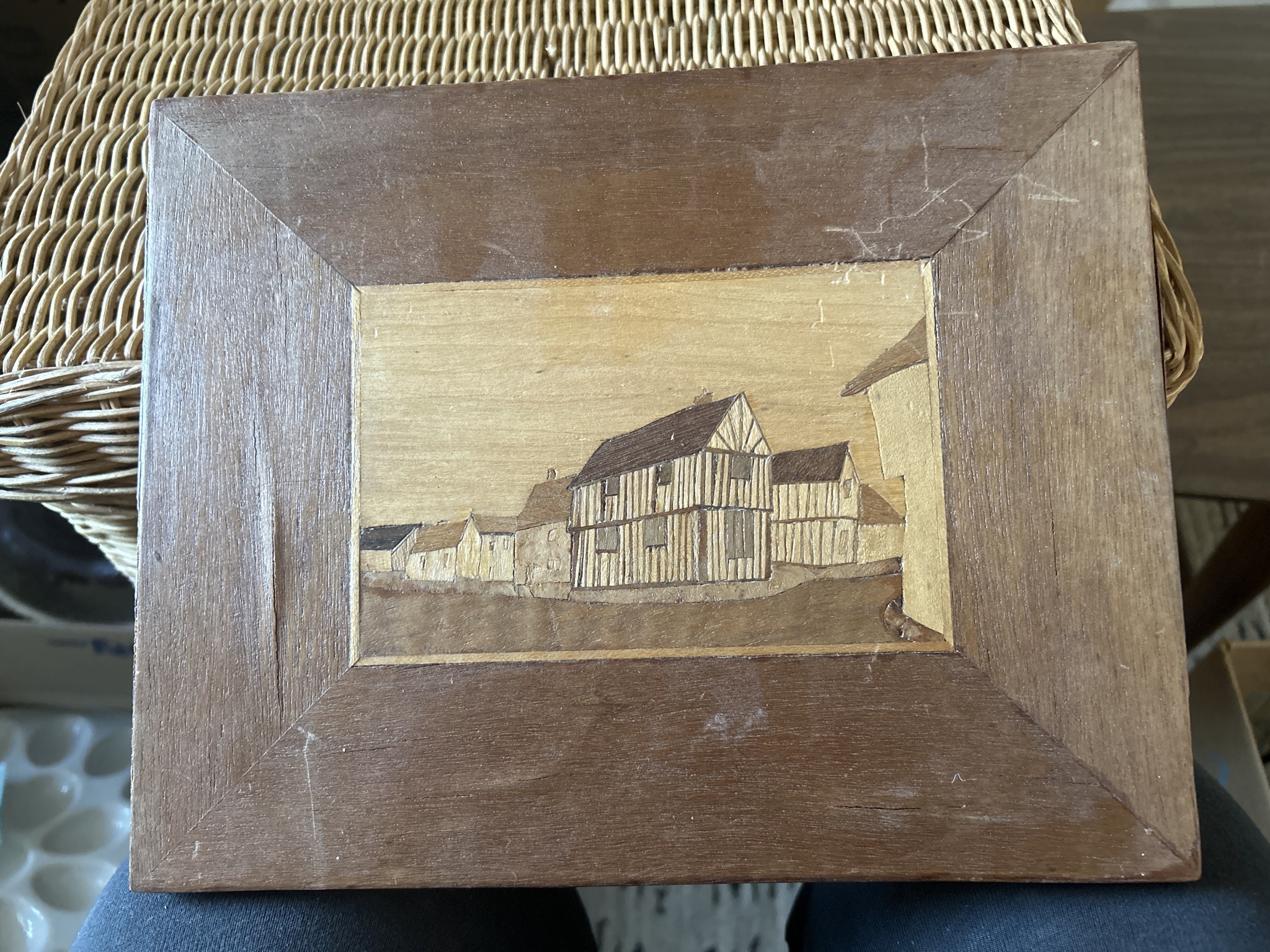
Submitted item photo
Submitted photo · July 21, 2026

User's notes

No additional notes provided.

AI analysis below

AI appraisal

AI analysis & estimate

AI-Generated · Verify before acting

Everything below is generated by AI for informational purposes only. AI can make mistakes — the AI may misidentify items or misattribute them (artist, maker, brand, designer, origin, era). This is not an official valuation and should not be used for insurance, sale, tax, estate, legal, or lending purposes — or any decision requiring a certified appraisal. It is not an authoritative claim about any person, brand, or rights holder — do not share or rely on it as a factual statement about a third party. Always consult qualified professionals before making financial decisions.

Read the full disclaimer

AI Identification

·Not independently authenticated·Verify before acting

Wood marquetry panel in the style of mid-20th-century decorative souvenirs

Woodwork and Decorative Arts

AI Estimated Value

·Not an official valuation·Verify before acting

$40 - $80

As of July 21, 2026

AI Item Analysis

·AI can make mistakes·Verify before acting
This item is a rectangular wood marquetry panel, also known as intarsia or wood inlay art, featuring a depiction of a Tudor-style village or historical architectural scene. The central image is composed of various wood veneers in light and dark brown tones, utilized to create contrast between the timber-framed buildings and the sky background. The construction involves precisely cut pieces of wood veneer to define the gables and vertical beam patterns of the houses. The work is housed in a broad, mitered wooden frame that appears to be made of an inexpensive hardwood or stained plywood. There are no visible maker's marks, signatures, or labels on the front of the piece, making a specific artist attribution impossible from the image alone. The composition and technique are stylistically consistent with mid-20th-century European woodworking, often produced as decorative souvenirs or hobbyist kits. In terms of condition, the piece shows significant signs of age and wear. The frame exhibits multiple surface scratches, several small cracks in the grain, and areas of finish loss. The central marquetry panel shows a small vertical chip or crack in the upper section and some lifting an discoloration consistent with prolonged exposure to humidity or light. These features suggest an age of approximately 40 to 70 years, though this is a stylistic estimate subject to physical verification.
AI Appraisal Report

·AI can make mistakes·Verify before acting
Based on my examination of the provided image, I have evaluated this rectangular wood marquetry panel depicting a Tudor-style village scene. The piece appears to be a mid-20th-century decorative work, likely produced between 1950 and 1980. From what I can see, the craftsmanship follows the conventions of period souvenir art or high-quality hobbyist kits, utilizing various wood veneers to create architectural depth. I cannot verify the specific wood species or the presence of an artist's signature from this photo, as no marks are visible. The value estimate of $40 to $80 reflects the current market for unattributed decorative woodwork of this era. This range accounts for the visible condition issues, including surface scratches on the frame and lifting of the veneer in the upper section, which typically reduces collector interest. In the general market, demand for such pieces is driven primarily by decorative appeal rather than investment value. To confirm the origin, a physical inspection would be required to look for hidden labels on the reverse or specific construction techniques. If this were found to be the work of a documented marquetry artist, the value might increase; conversely, if it is confirmed as a mass-produced reproduction or lacks structural integrity under the veneer, the value would likely fall toward the lower end of the range or less. The final valuation remains hypothetical and subject to physical verification of the materials and stability of the inlay work, as photographs cannot reveal potential underlying wood rot or modern synthetic adhesives that would alter the age assessment. Factors such as provenance documentation or a confirmed maker's mark would be necessary to establish a more precise market position.

Get your items appraised

Instant estimates of your treasures with AI-powered appraisals

Browse More Appraisals