AI Appraisal Estimate

AI-generated estimates · not official valuations

From the user

What was submitted

Photo and notes provided by the user — not generated by AI

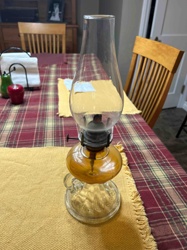
Submitted item photo
Submitted photo · May 28, 2026

User's notes

No additional notes provided.

AI analysis below

AI appraisal

AI analysis & estimate

AI-Generated · Verify before acting

Everything below is generated by AI for informational purposes only. AI can make mistakes — the AI may misidentify items or misattribute them (artist, maker, brand, designer, origin, era). This is not an official valuation and should not be used for insurance, sale, tax, estate, legal, or lending purposes — or any decision requiring a certified appraisal. It is not an authoritative claim about any person, brand, or rights holder — do not share or rely on it as a factual statement about a third party. Always consult qualified professionals before making financial decisions.

Read the full disclaimer

AI Identification

·Not independently authenticated·Verify before acting

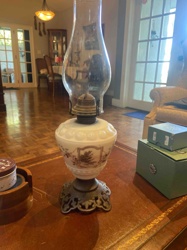
Vintage Clear Pressed Glass Oil Lamp

Antiques & Collectibles / Lighting

AI Estimated Value

·Not an official valuation·Verify before acting

$45.00 - $65.00

As of May 28, 2026

AI Item Analysis

·AI can make mistakes·Verify before acting
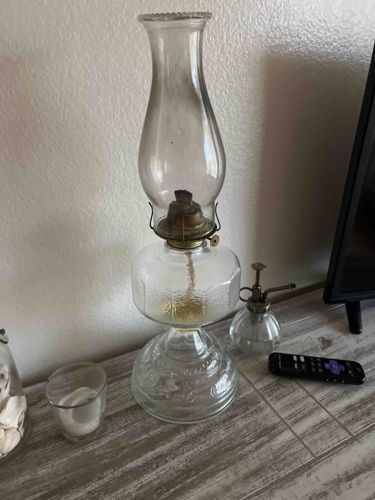
This is a vintage-style oil lamp, likely dating from the mid-20th century. The lamp stands approximately 18 to 20 inches tall and is constructed from clear pressed glass and brass-toned metal components. The lamp is composed of three primary sections: a decorative base, a central fuel reservoir (fount), and a tall glass chimney. The base and fount feature a textured pattern, possibly a floral or grape-leaf motif common in Eagle or P&A (Plume & Atwood) style lamps. The metal burner assembly appears to be a standard flat-wick variety with a thumbwheel for adjusting the wick height; it shows significant surface oxidation and patina consistent with age and previous use. The glass chimney is a classic 'beaded top' style with a bulbous bottom and a flared rim. Condition-wise, the glass remains clear without visible chips or cracks, although it shows some internal smudging. The wick is present and appears charred from use. There is a small amount of amber-colored lamp oil remaining in the fount. This style of lighting was extremely popular in the late 19th through the mid-20th century as both a functional tool and a decorative American folk-art piece. The craftsmanship is utilitarian yet elegant, designed for stability with its broad, weighted base.
AI Appraisal Report

·AI can make mistakes·Verify before acting
Based on my visual examination of the vintage clear pressed glass oil lamp, I find it to be a representative example of American utility lighting from the mid-20th century. The lamp features a classic 'Beaded Top' chimney and a fount with a floral/grape motif typical of mass-produced pieces by companies like Eagle or Plume & Atwood. The condition of the glass is excellent, showing no significant 'flea bites' or cracks. However, the brass-finished burner shows heavy oxidation and verdigris, which, while indicating age, reduces functionality without restoration. The presence of residual lamp oil suggests the seals are likely intact, though the charred wick indicates it was a working piece rather than a shelf-only collectible. Market conditions for clear pressed glass lamps remain stable but modest. Because these were produced in such high volumes, they lack the rarity of colored ‘Sandwich Glass’ or early kerosene-era cobalt pieces. Comparable sales for similar clear lamps in good condition generally fall in the sub-$100 range. The value is primarily driven by its decorative appeal and functional potential for ‘off-grid’ aesthetics. Limitations: This appraisal is based on photographic evidence only. A physical inspection is necessary to verify if the glass is authentic period lime-glass or a modern reproduction, which can be identified by UV light reaction (manganese fluorescence). I cannot verify the integrity of the burner threads or identify any hairline fractures hidden by the metal collar. Full authentication would require checking for manufacturer hallmarks on the thumbwheel and assessing the clarity of the mold seams. Provenance documentation regarding its original purchase would further refine its historical context.

Get your items appraised

Instant estimates of your treasures with AI-powered appraisals

Browse More Appraisals