AI identification & appraisal estimate

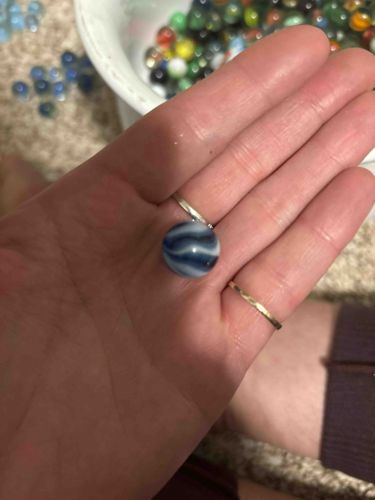
Vintage Blue and White Swirl Glass Marble

Submitted photo of Vintage Blue and White Swirl Glass Marble
Photo submitted by the user — not generated by AI

User's notes

Vintage marbles

These notes were written by the person who submitted this item. Appraiser.AI has not verified them, and the AI's identification and estimate may rely on them.

AI Estimated Value

Not an official valuation

$2 - $4

AI estimate as of July 31, 2025 · verify with a professional before acting

AI-Generated · Verify before acting

Everything on this page is generated by AI for informational purposes only. AI can make mistakes — the AI may misidentify items or misattribute them (artist, maker, brand, designer, origin, era). This is not an official valuation and should not be used for insurance, sale, tax, estate, legal, or lending purposes — or any decision requiring a certified appraisal. It is not an authoritative claim about any person, brand, or rights holder — do not share or rely on it as a factual statement about a third party. Always consult qualified professionals before making financial decisions.

This analysis also relies on unverified notes provided by the user, which may be incomplete or inaccurate and could affect the result.

Read the full disclaimer

AI Item Analysis

The item is a machine-made vintage marble, likely dating from the mid-20th century. It features a striking blue and white swirl pattern, characteristic of 'cat's eye' or 'agate' style marbles, though the core appears opaque rather than clear. The dominant colors are a vibrant royal blue and an opaque white, swirled together to create undulating bands across the spherical surface. Its size appears to be a standard 'shooter' marble, approximately 5/8 to 3/4 inches in diameter, as it is comfortably held between an adult's thumb and forefinger. The material is glass, which exhibits a smooth, polished finish. There are no readily visible chips, cracks, or significant abrasions, suggesting it is in good to very good condition for a vintage plaything. The surface reflectivity indicates a generally well-preserved state, possibly with minor scuffs consistent with typical use. There are no discernible maker's marks or signatures, which is common for machine-made marbles of this era. The craftsmanship is evident in the consistent spherical shape and the pleasing, symmetrical distribution of the color swirls, indicating a good quality manufacturing process. Its unique swirling pattern and good condition make it a desirable piece for collectors of vintage marbles.

AI Appraisal Report

Upon examining the provided image of this vintage glass marble, I have assessed its characteristics and market value. The marble is a machine-made piece, likely dating from the mid-20th century, approximately 1940-1960. It features an attractive opaque blue and white swirl pattern. Its size appears to be a standard 'shooter' at roughly 5/8 to 3/4 inches in diameter. Visually, the condition is very good, with a smooth, glossy surface and no apparent chips or significant abrasions, which is commendable for a vintage toy. This type of swirl, while aesthetically pleasing, is relatively common among machine-made marbles from manufacturers like Akro Agate or Christensen Agate Company. The value is primarily driven by its excellent condition and nostalgic appeal rather than exceptional rarity. Comparable machine-made swirl marbles in similar condition regularly trade in online marketplaces and collector forums. The market for common machine-made marbles is generally modest. The lack of a specific rare pattern, such as a 'guinea' or a 'transitional hand-made,' and the absence of a clear maker's identification place it in a category with a large supply. The key value driver here is its condition. A heavily played-with example would be worth significantly less. However, it's crucial to note the limitations of a digital-only appraisal. Without physical inspection, I cannot confirm the absence of minute 'flea bites,' heat checks, or subtle surface wear that could impact the grade. Authentication as a specific, more valuable sub-type would require in-person examination under magnification to identify manufacturing traits like seam lines or pontil marks. For a definitive valuation, physical inspection is essential.

Keep exploring

More collectible toy appraisals

Get your items appraised

Instant AI-powered appraisal estimates from a photo

Browse More Appraisals