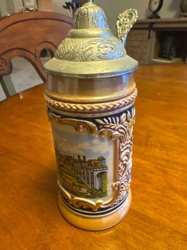
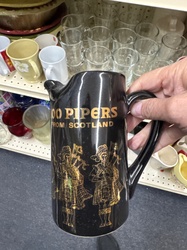
AI estimate as of October 17, 2025 · verify with a professional before acting
AI-Generated · Verify before acting
Everything on this page is generated by AI for informational purposes only. AI can make mistakes — the AI may misidentify items or misattribute them (artist, maker, brand, designer, origin, era). This is not an official valuation and should not be used for insurance, sale, tax, estate, legal, or lending purposes — or any decision requiring a certified appraisal. It is not an authoritative claim about any person, brand, or rights holder — do not share or rely on it as a factual statement about a third party. Always consult qualified professionals before making financial decisions.
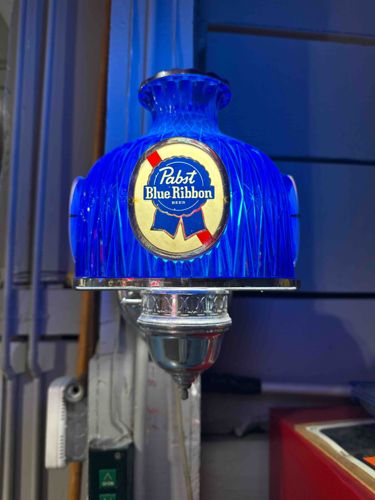
This item is an illuminated beer tap handle for Pabst Blue Ribbon beer. The main body of the tap handle is constructed from a translucent blue material, likely plastic or acrylic, featuring a fluted or textured surface that enhances the light diffusion when illuminated. The top portion has a distinct rilled or corrugated design, resembling a bottle neck. Centrally located on the front of the blue body is the iconic Pabst Blue Ribbon logo, rendered in gold and blue with red accents, encased in a circular metallic-looking border. This logo appears to be a decal or an applied graphic, possibly set under a clear protective layer. The illumination within the blue body gives it a vibrant, glowing appearance. Below the blue illuminated section, there is a prominent chrome-plated or polished metal section that transitions into the actual tap mechanism. This lower section features decorative horizontal ribbing and a tapering, conical design, typical of a draft beer tap. The overall condition appears to be good, with a bright, clean appearance. There are no immediately visible signs of major damage, cracks, or significant wear on the illuminated body or the metal components. The chrome finish shows a good sheen, indicating proper maintenance or minimal use. The item likely dates from the latter half of the 20th century to the early 21st century, consistent with modern beverage branding and tap handle designs. Its primary function is to serve as a decorative and identifying fixture on a draft beer dispenser, prominently displaying the brand while drawing attention with its illumination. The quality of craftsmanship is consistent with mass-produced promotional items, designed for durability and visual appeal in a commercial bar or restaurant setting.
AI Appraisal Report
Upon visual examination of this Pabst Blue Ribbon Illuminated Beer Tap Handle, I assess its condition as excellent. The translucent blue body shows no apparent cracks, heavy scratching, or discoloration, and the fluted surface appears intact. The iconic PBR logo is clearly visible, with its gold, blue, and red accents well-preserved, suggesting minimal fading or wear. The chrome-plated lower section exhibits good sheen and reflective qualities, free from pitting, rust, or significant scuffing. Its overall bright and clean appearance indicates either careful use, good maintenance, or limited exposure to a commercial environment. Authenticity, based solely on the image, appears strong as the design elements, logo, and overall construction are consistent with known Pabst Blue Ribbon merchandise. The illumination is clearly functional, adding to its visual appeal and value. This item falls into the Barware & Breweriana collectibles market. Similar illuminated tap handles, particularly from popular brands like PBR, generally see moderate demand from collectors, home bar enthusiasts, and PBR fans. While not exceedingly rare, a well-preserved illuminated example does stand out from non-illuminated versions. Market comparables for illuminated PBR tap handles in similar condition typically range from $40 to $70 on online marketplaces and at specialty auctions. Factors impacting value positively include its excellent condition and functional illumination; negatives would only emerge if internal electrical issues were present or unseen damage existed. My main limitation in authenticity verification from images alone is the inability to test functionality, examine internal components, or evaluate the tactile quality of materials. A physical inspection would confirm the complete absence of damage, the material composition, and the operational integrity of the illumination. Provenance documentation, while helpful for unique or higher-value items, is less critical for a mass-produced promotional piece like this.