AI Appraisal Estimate

AI-generated estimates · not official valuations

From the user

What was submitted

Photo and notes provided by the user — not generated by AI

Submitted item photo
Submitted photo · June 17, 2026

User's notes

No additional notes provided.

AI analysis below

AI appraisal

AI analysis & estimate

AI-Generated · Verify before acting

Everything below is generated by AI for informational purposes only. AI can make mistakes — the AI may misidentify items or misattribute them (artist, maker, brand, designer, origin, era). This is not an official valuation and should not be used for insurance, sale, tax, estate, legal, or lending purposes — or any decision requiring a certified appraisal. It is not an authoritative claim about any person, brand, or rights holder — do not share or rely on it as a factual statement about a third party. Always consult qualified professionals before making financial decisions.

Read the full disclaimer

AI Identification

·Not independently authenticated·Verify before acting

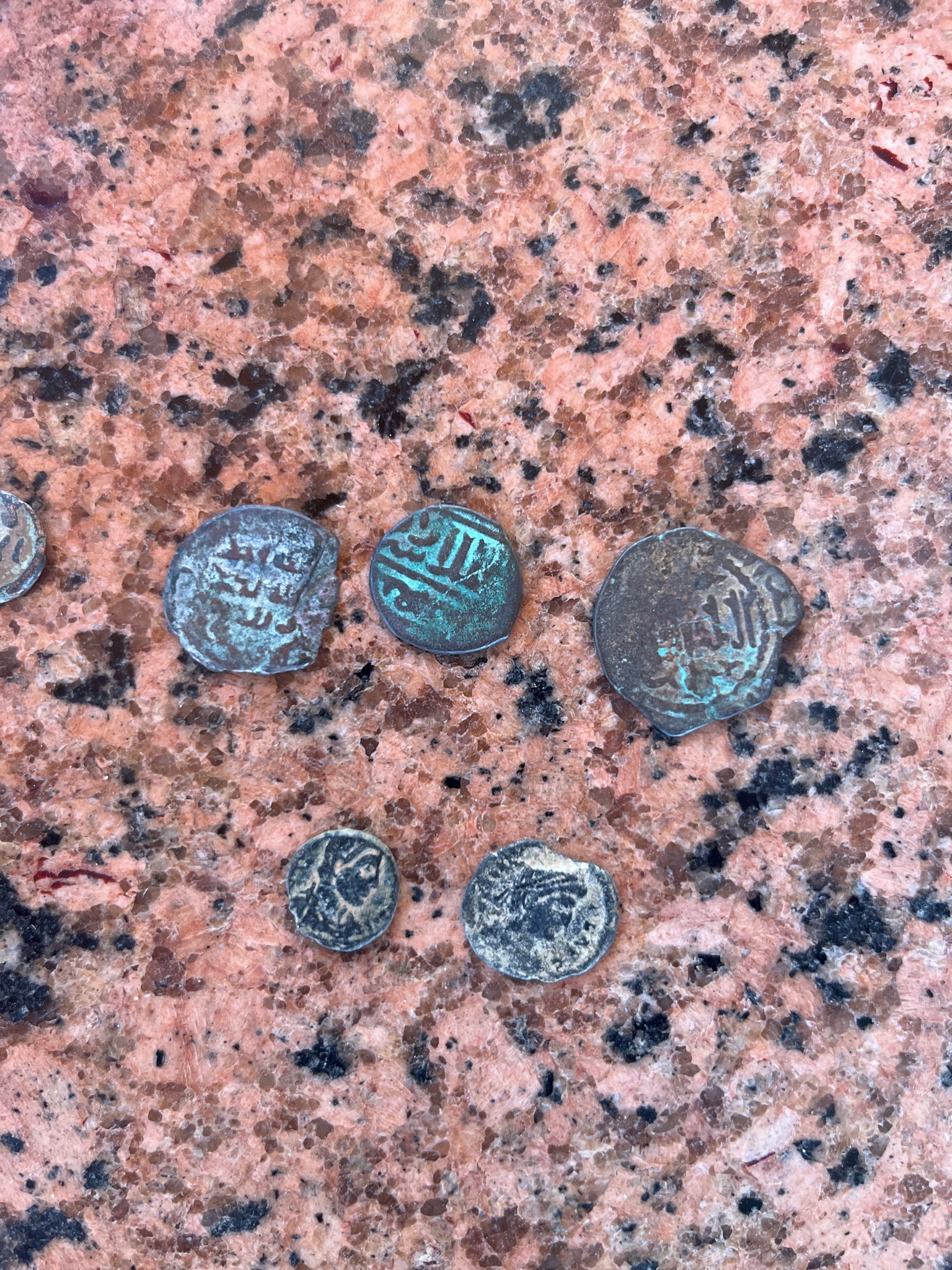
Assortment of ancient-style and medieval-style bronze coins

Coins and Numismatics

AI Estimated Value

·Not an official valuation·Verify before acting

$40–$150

As of June 17, 2026

AI Item Analysis

·AI can make mistakes·Verify before acting
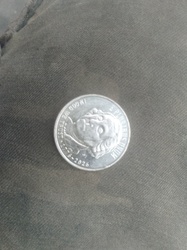
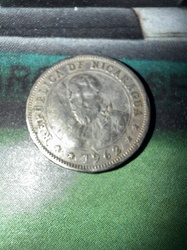
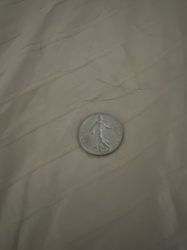
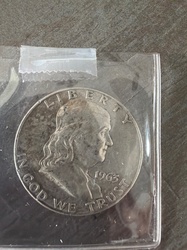
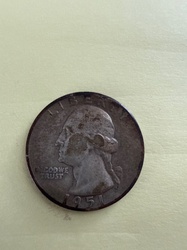
This collection consists of five small, irregularly shaped metallic disks that appear to be coins of various origins and eras. Three larger specimens on the top row bear calligraphic scripts consistent with early Islamic coinage, such as those from the Umayyad or Abbasid periods, with one central coin showing a distinct green copper-oxide patina (verdigris) over an Arabic inscription. The two smaller specimens on the bottom row appear stylistically consistent with late Roman or Byzantine bronze coinage, featuring faint silhouettes that resemble profile busts or imperial portraits. Each piece displays significant surface wear, irregular 'hammered' edges, and heavy oxidation typical of buried archeological finds. The color varies from dark charcoal gray to earthy brown and turquoise-green. Due to the significant weathering and commonality of modern reproductions for the tourist trade, these items are treated as unverified artifacts. Precise identification of minting locations or specific rulers would require high-resolution macro photography of both sides and physical examination by a numismatist to rule out modern casting marks.
AI Appraisal Report

·AI can make mistakes·Verify before acting
Based on my visual analysis of this assortment, the collection involves five bronze specimens that bear stylistic similarities to Islamic and Byzantine-era coinage. Based on what I can see, the upper row features calligraphic scripts reminiscent of Umayyad or Abbasid dirhams or fals, while the bottom row displays the silhouette profiles typical of late Roman or Byzantine numismatics. I cannot verify the metallic composition or the legitimacy of the minting process from a photo alone; a physical inspection is required to check for casting seams or modern surface treatments. The current value estimate assumes these are common archaeological finds with significant surface wear and oxidation. In the current market, uncleaned or partially cleaned coins of this type are frequently traded in the $8–$30 range per piece. However, if these objects are determined to be modern reproductions or tourist replicas—which are common for this type of material—the collective value would likely drop below $10. Conversely, if a numismatist were to identify a rare minting location or a specific ruler through high-resolution macro photography and weight analysis, the value could exceed the current range. To confirm authenticity and secure a precise valuation, I would recommend a physical examination by an expert to rule out modern fakes and the provision of provenance documentation regarding the items' legal acquisition history.

Related Tags

Explore similar items and categories

Get your items appraised

Instant estimates of your treasures with AI-powered appraisals

Browse More Appraisals