AI Appraisal Estimate

AI-generated estimates · not official valuations

From the user

What was submitted

Photo and notes provided by the user — not generated by AI

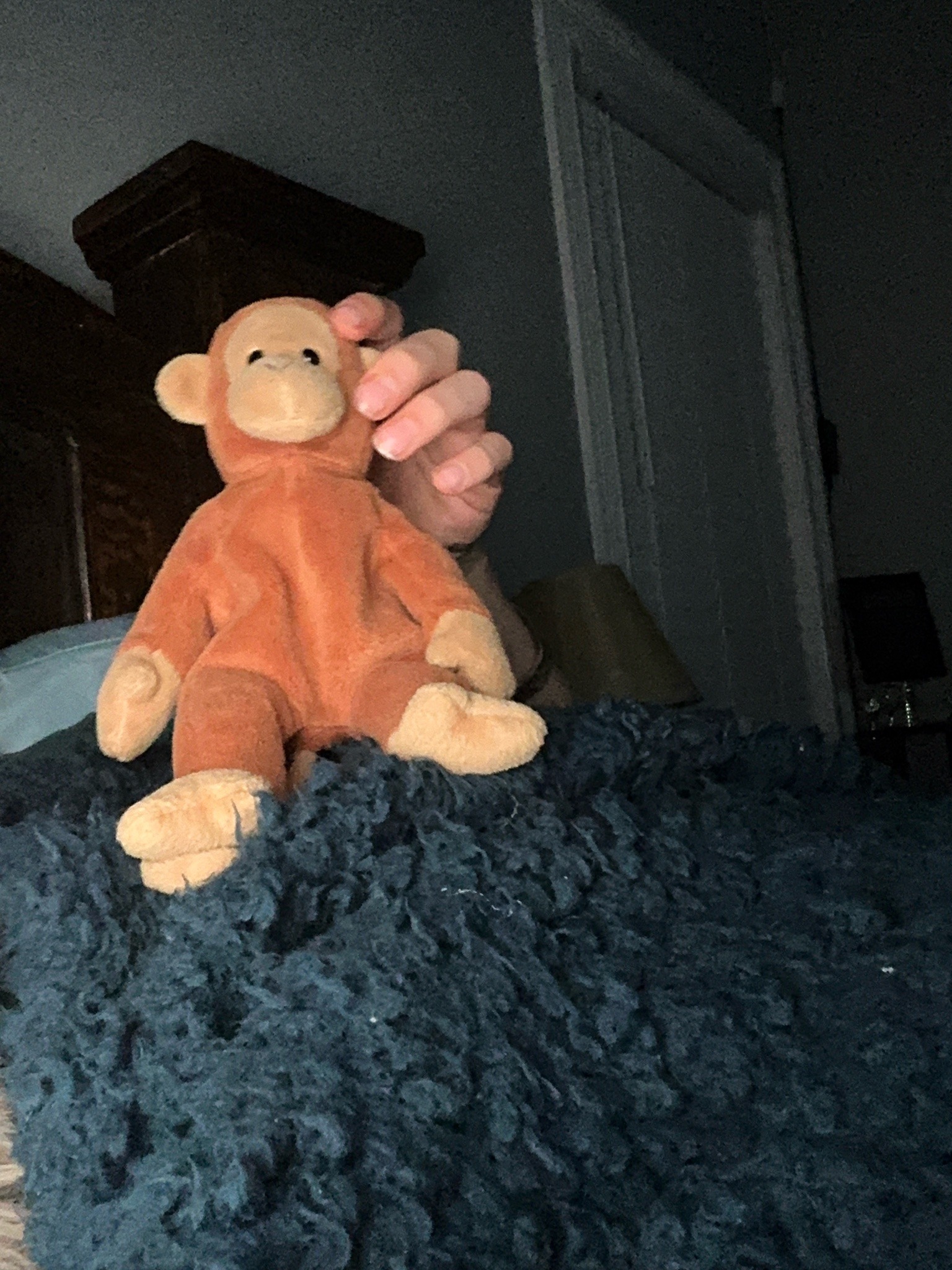
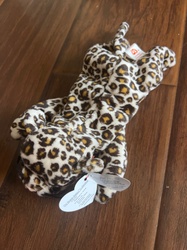
Submitted item photo
Submitted photo · May 27, 2026

User's notes

From TY and from 1995 I think

AI analysis below

AI appraisal

AI analysis & estimate

AI-Generated · Verify before acting

Everything below is generated by AI for informational purposes only. AI can make mistakes — the AI may misidentify items or misattribute them (artist, maker, brand, designer, origin, era). This is not an official valuation and should not be used for insurance, sale, tax, estate, legal, or lending purposes — or any decision requiring a certified appraisal. It is not an authoritative claim about any person, brand, or rights holder — do not share or rely on it as a factual statement about a third party. Always consult qualified professionals before making financial decisions.

Note

This analysis also relies on unverified notes provided by the user, which may be incomplete or inaccurate and could affect the result.

Read the full disclaimer

AI Identification

·Not independently authenticated·Verify before acting

Bongo the Monkey Beanie Baby

Collectibles / Plush Toys

AI Estimated Value

·Not an official valuation·Verify before acting

$5.00 - $12.00

As of May 27, 2026

AI Item Analysis

·AI can make mistakes·Verify before acting
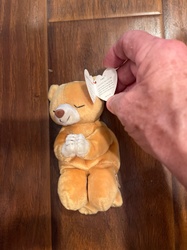
This item is a TY Beanie Baby known as 'Bongo the Monkey.' The plush toy measures approximately 8 inches in length and is constructed from a soft, rust-colored or ginger-brown polyester plush fabric with contrasting tan/beige fabric on the face, ears, paws, and feet. It features two small black plastic bead eyes and a stitched-definition snout. This specific version appears to be the standard iteration of Bongo, which was released in the mid-1990s (specifically 1995/1996) as part of the massive Beanie Baby collectible craze. The construction is characterized by 'bean' filling—small PVC or PE pellets—which allows the figure to be posed in a seated position. The item is missing its heart-shaped 'swing tag,' which significantly impacts its collectible value, though it may still retain its white 'tush tag' under the tail (not visible in the photo). Condition-wise, the plush displays signs of gentle handling and display; the fur appears slightly matted, consistent with its age, and there is a mild loss of structural firmness. The stitching appears intact without visible repairs. Bongo is a classic example of Ty Inc.'s minimalist design philosophy from the 1990s boom period, emphasizing cuddle-ability and simple geometric shapes over realistic anatomy.
AI Appraisal Report

·AI can make mistakes·Verify before acting
I have virtually examined this 1995 Bongo the Monkey Beanie Baby. Visually, the plush appears to be an authentic Ty Inc. product, featuring the correct rust-colored polyester fabric and tan accents consistent with mid-90s manufacturing. However, from a collector's perspective, this specimen is in 'play' condition rather than 'museum' quality. The fur shows characteristic matting and structural softening, but the most critical depreciation factor is the absence of the red heart-shaped 'swing tag.' In the Beanie Baby market, approximately 80-90% of a specimen's value is derived from the presence and condition of its tags. Without the swing tag, this item is categorized as a common plush toy rather than a high-end collectible. Current market conditions for 1990s Beanie Babies are highly saturated; while rare 'error' versions with specific tush tag markings (such as PVC pellets or 1993 dates) can command slightly more, the standard version seen here is abundant on secondary markets. Comparable sales on platforms like eBay frequently show tagless Bongos selling for under ten dollars. Limitations of this appraisal include the inability to inspect the 'tush tag' for specific generation markers or the 'stamp' inside the loop which can indicate factory origin. To fully authenticate and provide a finalized valuation, an in-person inspection would be required to verify the pellet type (PVC vs. PE) and ensure no 'temple' dry-rot or odor is present within the stuffing. No scientific testing is recommended given the item's commonality.

Get your items appraised

Instant estimates of your treasures with AI-powered appraisals

Browse More Appraisals