AI Appraisal Estimate

AI-generated estimates · not official valuations

From the user

What was submitted

Photo and notes provided by the user — not generated by AI

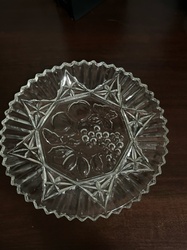
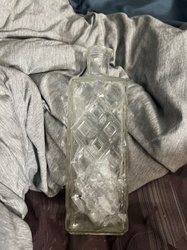
Submitted item photo
Submitted photo · June 17, 2026

User's notes

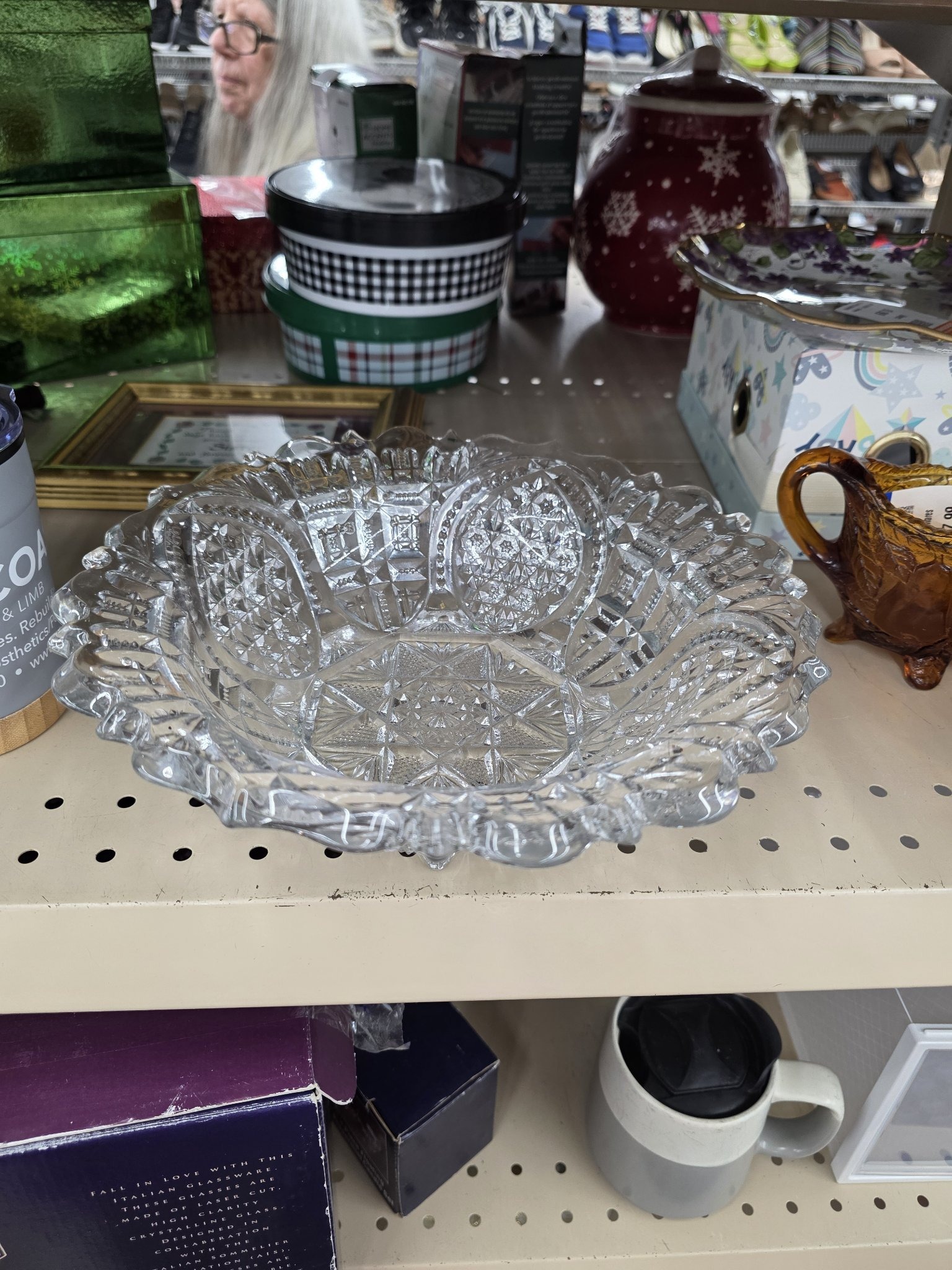
10 inch cut glass bowl

AI analysis below

AI appraisal

AI analysis & estimate

AI-Generated · Verify before acting

Everything below is generated by AI for informational purposes only. AI can make mistakes — the AI may misidentify items or misattribute them (artist, maker, brand, designer, origin, era). This is not an official valuation and should not be used for insurance, sale, tax, estate, legal, or lending purposes — or any decision requiring a certified appraisal. It is not an authoritative claim about any person, brand, or rights holder — do not share or rely on it as a factual statement about a third party. Always consult qualified professionals before making financial decisions.

Note

This analysis also relies on unverified notes provided by the user, which may be incomplete or inaccurate and could affect the result.

Read the full disclaimer

AI Identification

·Not independently authenticated·Verify before acting

American Brilliant Period Style Cut Glass Bowl

Antique Glassware

AI Estimated Value

·Not an official valuation·Verify before acting

$150 - $275

As of June 17, 2026

AI Item Analysis

·AI can make mistakes·Verify before acting
This 10-inch diameter bowl is a notable example of American Brilliant Period (ABP) style cut glass, likely dating from the late 19th to early 20th century or a high-quality mid-century revival. The piece is crafted from heavy lead crystal, characterized by its high refractive index and clarity. The intricate pattern features a combination of classic geometric motifs including deep miter cuts, hobstars, cross-hatching (fine diamonds), and strawberry diamond fans. The rim is finished in a decorative sawtooth or scalloped edge, which appears consistent and well-defined. The interior base displays a large, central starburst motif that anchors the surrounding panels. Physically, the glass exhibits the sharp, crisp edges typical of hand-cut patterns rather than pressed glass imitations. The condition appears fair to good for its age; while the brilliance of the crystal is intact, close inspection of the sawtooth rim typically reveals minor 'flea bites' or micro-chips common in these fragile edges. There are no large structural cracks visible in the body. The weight is substantial, indicating a high lead content which provides the clear, ringing tone when tapped. No visible maker’s marks (such as acid-etched signatures) are immediately apparent, which is common for many pieces produced by prestigious American houses like Libbey, Hoare, or Hawkes during this era.
AI Appraisal Report

·AI can make mistakes·Verify before acting
Based on my visual examination of this 10-inch American Brilliant Period style bowl, I have identified key markers of quality including sharp miter cuts and high-clarity lead crystal. The presence of 'flea bites' on the sawtooth rim and the absence of mold lines suggest a hand-cut origin consistent with late 19th or early 20th-century production. The pattern density, featuring deep hobstars and strawberry diamonds, is indicative of the 'Brilliant' era's peak. However, the current market for colorless cut glass has softened significantly from its height in the 1990s. While 10-inch bowls are versatile, they are relatively common compared to specialized forms like punch bowls or decanters. The lack of a visible signature (e.g., Libbey or Hawkes) places this in the 'atttributed' category, limiting its premium value. Factors such as the 'ringing' tone and substantial weight support its authenticity as high-lead crystal. This appraisal is limited by the digital nature of the inspection; I cannot verify the presence of acid-etched signatures that often require specific lighting, nor can I detect internal stress fractures or professional restorations. A full authentication would require an in-person examination to check for 'base wear' patination and more precise tool marks. This valuation assumes the item is an authentic period piece and not a mid-century European reproduction.

Get your items appraised

Instant estimates of your treasures with AI-powered appraisals

Browse More Appraisals