AI Appraisal Estimate

AI-generated estimates · not official valuations

From the user

What was submitted

Photo and notes provided by the user — not generated by AI

Submitted item photo
Submitted photo · June 1, 2026

User's notes

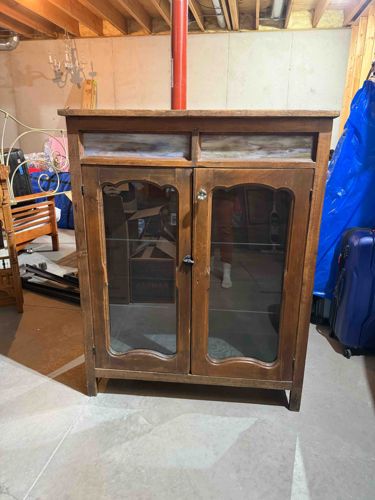
Antique pie safe in good condition consistent with age. Fitted with glass shelves and stained glass in the top section to allow a light to enhance utility as a display cabinet.

AI analysis below

AI appraisal

AI analysis & estimate

AI-Generated · Verify before acting

Everything below is generated by AI for informational purposes only. AI can make mistakes — the AI may misidentify items or misattribute them (artist, maker, brand, designer, origin, era). This is not an official valuation and should not be used for insurance, sale, tax, estate, legal, or lending purposes — or any decision requiring a certified appraisal. It is not an authoritative claim about any person, brand, or rights holder — do not share or rely on it as a factual statement about a third party. Always consult qualified professionals before making financial decisions.

Note

This analysis also relies on unverified notes provided by the user, which may be incomplete or inaccurate and could affect the result.

Read the full disclaimer

AI Identification

·Not independently authenticated·Verify before acting

Antique Modified American Pie Safe Display Cabinet

Antique Furniture

AI Estimated Value

·Not an official valuation·Verify before acting

$850 - $1,150

As of June 1, 2026

AI Item Analysis

·AI can make mistakes·Verify before acting
This is an antique American pie safe that has been thoughtfully converted into a display cabinet. The piece is constructed from solid wood, likely pine or poplar, finished in a warm medium-brown stain that exhibits a rich aged patina. It features a rectangular silhouette with a flat top overhang. The primary body consists of two large cabinet doors, each featuring a scalloped or arched inset glass panel, allowing for visibility of the interior contents. Above these doors are two horizontal panes of decorative stained or slag glass, likely added or modified to diffuse light for the interior display. The interior is fitted with modern glass shelving, a significant upgrade from original wood shelves, designed to maximize light transmission. The cabinet hardware includes a single visible glass knob on the right door and a metal turn-latch center closure. Structurally, the piece is supported by square-cut legs that are an extension of the side stiles. Condition is consistent with an age dating to the late 19th or early 20th century, showing minor surface abrasions, localized finish wear on the edges, and small indentations that contribute to its authentic antique character. The conversion work appears to be of high quality, blending original rustic charm with functional display utility.
AI Appraisal Report

·AI can make mistakes·Verify before acting
Based on my visual examination, this piece is a late 19th-century American pine or poplar pie safe that has undergone high-quality 20th-century modifications for use as a display cabinet. The transition from traditional punched-tin panels to glass and the addition of interior glass shelving significantly shifts the item's classification from a rustic utility piece to a functional piece of furniture suited for modern interiors. The wood exhibits a commendable patina consistent with its age, showing the expected oxidation and minor abrasions that verify its antique origin. In the current market, purely original pie safes with rare tin designs can command higher prices from purist collectors. However, 'married' or modified pieces like this often see strong demand in the retail decorative market because they offer practical visibility for collections. The inclusion of decorative slag glass panels in the transom area is a unique touch that enhances aesthetic appeal, though it likely dates to the conversion rather than the original construction. My valuation accounts for the excellent condition of the joinery and the tasteful nature of the modifications. Limitations of this virtual appraisal include the inability to inspect the backboards for hand-plane marks or the drawer/door joints for authentic 19th-century construction techniques. To fully authenticate this as a pre-1900 piece, an in-person inspection of the fastener types (square nails vs. wire nails) and wood shrinkage patterns is required. Furthermore, provenance or a bill of sale would assist in determining the specific regional origin of the safe, which could influence the value by an additional 15-20% if attributed to a known cabinetmaker or specific folk-art tradition.

Get your items appraised

Instant estimates of your treasures with AI-powered appraisals

Browse More Appraisals