AI Appraisal Estimate

AI-generated estimates · not official valuations

From the user

What was submitted

Photo and notes provided by the user — not generated by AI

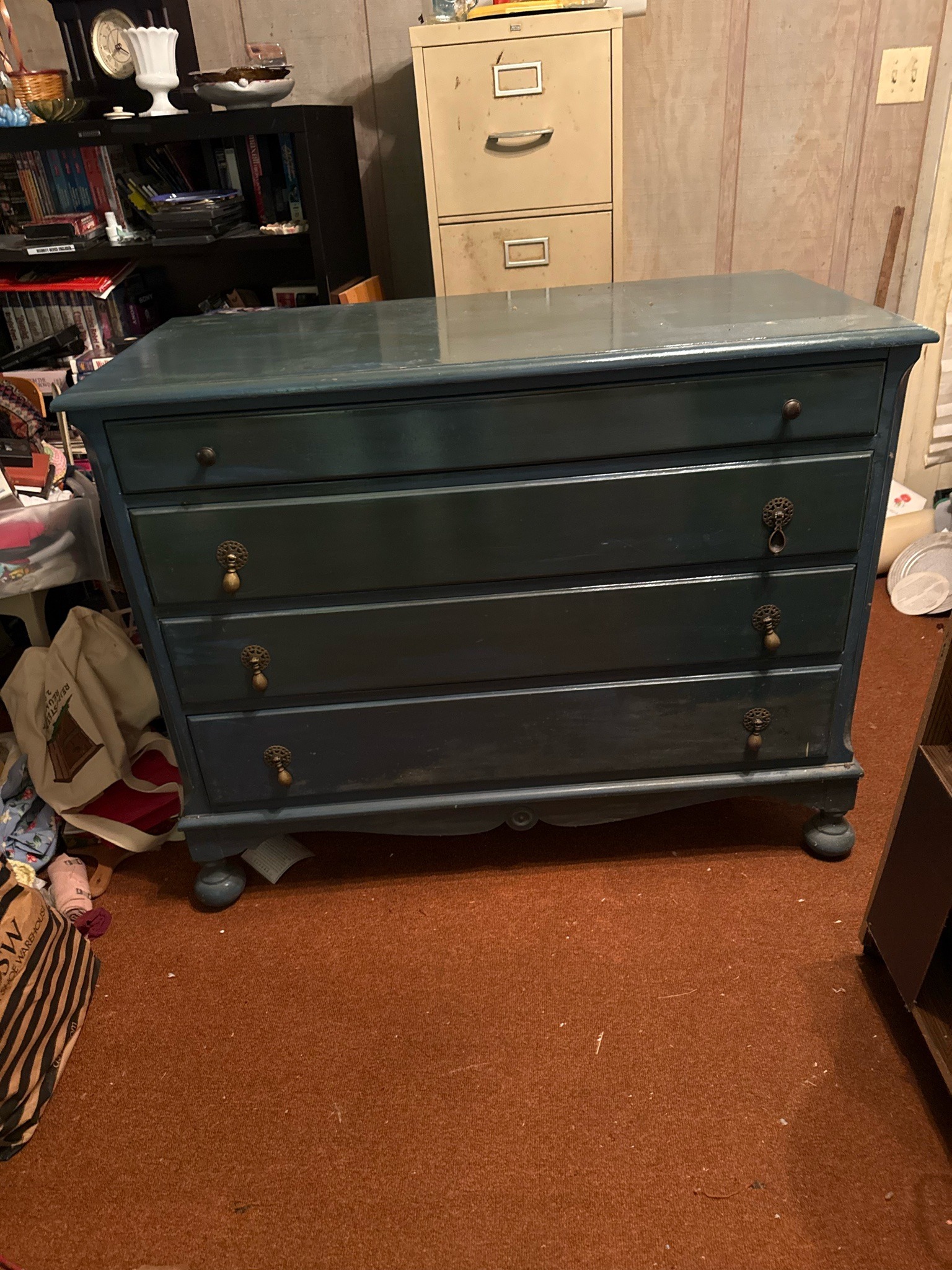
Submitted item photo
Submitted photo · June 13, 2026

User's notes

No additional notes provided.

AI analysis below

AI appraisal

AI analysis & estimate

AI-Generated · Verify before acting

Everything below is generated by AI for informational purposes only. AI can make mistakes — the AI may misidentify items or misattribute them (artist, maker, brand, designer, origin, era). This is not an official valuation and should not be used for insurance, sale, tax, estate, legal, or lending purposes — or any decision requiring a certified appraisal. It is not an authoritative claim about any person, brand, or rights holder — do not share or rely on it as a factual statement about a third party. Always consult qualified professionals before making financial decisions.

Read the full disclaimer

AI Identification

·Not independently authenticated·Verify before acting

Four-Drawer Painted Transitional Commode

Furniture

AI Estimated Value

·Not an official valuation·Verify before acting

$250 - $450

As of June 13, 2026

AI Item Analysis

·AI can make mistakes·Verify before acting
This is a rectangular four-drawer wooden dresser or chest of drawers, likely dating from the mid-20th century but featuring classical design elements. The piece is constructed with a flat top overhang, four graduated horizontal drawers, and sits on four turned bun feet. It appears to be made of solid wood or high-quality wood veneer that has been later refinished with a dark blue or spruce-teal paint with a satin-to-glossy sheen. The hardware is eclectic: the top drawer features small round knobs, while the lower three drawers are fitted with ornate, circular brass-toned filigree backplates and teardrop or acorn-style hanging pulls. The bottom apron is scalloped with a central circular carved motif. In terms of condition, the piece shows visible signs of wear consistent with age and a secondary DIY refinishing project. There is noticeable scuffing and paint loss along the lower drawer faces and edges, particularly on the bottom right. The paint application appears uneven in some areas, and there is a visible layer of household dust and debris on the top surface. The hardware shows a dark patina and may not be original to the piece, as the styles differ between the top and bottom drawers. The overall craftsmanship suggests a sturdy, factory-made piece from the mid-1900s, possibly an Empire or Federal revival style that has been modernized with color.

AI Appraisal Report

·AI can make mistakes·Verify before acting
I have virtually examined this four-drawer transitional commode. Based on the construction, specifically the turned bun feet, scalloped apron, and graduated drawer heights, this piece is a mid-20th-century mass-produced revival item, likely borrowing from Federal or Empire aesthetics. While sturdy, the value is significantly impacted by the non-original 'DIY' aesthetics. The mismatched hardware and the spruce-teal paint application—which is uneven and shows scuffing—downgrade it from a collector’s antique to a functional decorative 'upcycled' piece. Market demand for painted mid-century revival furniture remains steady among 'shabby chic' or bohemian interior decorators, but it lacks the rarity or providence of a period 19th-century chest. The current condition shows notable paint loss on the lower drawers and a heavy accumulation of debris, suggesting it has not been kept in a climate-controlled or curated environment. Comparable factory-made chests from this era typically sell at local auctions or estate sales within the identified range. Factors that could increase value would be the discovery of a manufacturer's mark (such as Drexel or Henredon) or professional restoration. Note: This appraisal is based strictly on visual inspection of the provided image. Authenticating wood species, joinery (e.g., dovetail type), and the age of the hardware requires physical inspection. To confirm the piece's era and origins, I would need to examine the drawer interiors and the back paneling for historical markings or specific milling techniques. Scientific testing of the paint would be necessary to rule out the presence of lead if the piece dates earlier than 1978.

Get your items appraised

Instant estimates of your treasures with AI-powered appraisals

Browse More Appraisals