AI Appraisal Estimate

AI-generated estimates · not official valuations

From the user

What was submitted

Photo and notes provided by the user — not generated by AI

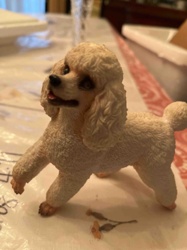
Submitted item photo
Submitted photo · May 22, 2026

User's notes

hout

AI analysis below

AI appraisal

AI analysis & estimate

AI-Generated · Verify before acting

Everything below is generated by AI for informational purposes only. AI can make mistakes — the AI may misidentify items or misattribute them (artist, maker, brand, designer, origin, era). This is not an official valuation and should not be used for insurance, sale, tax, estate, legal, or lending purposes — or any decision requiring a certified appraisal. It is not an authoritative claim about any person, brand, or rights holder — do not share or rely on it as a factual statement about a third party. Always consult qualified professionals before making financial decisions.

Note

This analysis also relies on unverified notes provided by the user, which may be incomplete or inaccurate and could affect the result.

Read the full disclaimer

AI Identification

·Not independently authenticated·Verify before acting

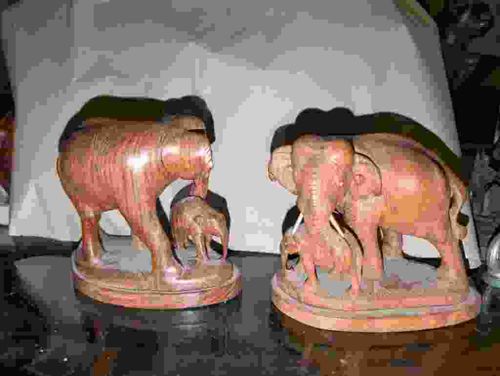
Pair of Hand-Carved Wooden Elephant Cow and Calf Figurines

Collectibles / Animal Figurines

AI Estimated Value

·Not an official valuation·Verify before acting

$45–$85

As of May 22, 2026

AI Item Analysis

·AI can make mistakes·Verify before acting
This is a pair of vintage hand-carved wooden sculptures, each depicting an adult female elephant with a small calf. The figurines are crafted from a medium-toned hardwood, likely teak or rosewood, featuring a visible vertical grain that follows the anatomical lines of the animals. Both pieces are set on integral oval-shaped wooden bases. The adult elephants are represented with their trunks lowered and ears slightly flared, showing a protective posture over the calves nestled between their legs. The carving style is representative of South or Southeast Asian artisanal work, specifically common in regions like India or Thailand during the mid-to-late 20th century. The adult on the right features what appear to be inset white tusks, possibly made of bone or a similar synthetic material. The surfaces show a slight natural patina with some variations in the wood finish, suggesting age. While the craftsmanship is detailed enough to include skin wrinkles and tail placement, the level of anatomical realism suggests they were produced for the souvenir or export market. Overall condition appears fair, though the low image quality masks potential fine-line cracks or small chips often found in aged tropical hardwoods. No distinctive maker's marks are visible in the provided view.
AI Appraisal Report

·AI can make mistakes·Verify before acting
Based on my examination of the photographs provided, these hand-carved elephant sculptures are consistent with mid-to-late 20th-century decorative carvings from India or Thailand. Crafted from a tropical hardwood such as teak or rosewood, the pieces exhibit characteristic graining and artisanal techniques typical of export-grade work. The inclusion of bone or synthetic tusks on one specimen is a standard feature of the period. The condition appears fair, with a natural patina suggesting they have been displayed for several decades; however, without a tactile inspection, I cannot rule out drying cracks or 'checking' common in tropical woods transitioned to temperate climates. The market for mid-century wood carvings of this type is currently saturated. They were produced in high volumes for the souvenir and export markets, which limits their rarity and investment potential. While highly decorative and desirable for collectors of animal figurines or 'Jungalow' style decor, they do not command the premium prices associated with fine art or specific signed masters. Comparable pairs generally sell at auction or through secondary marketplaces within the $40 to $90 range depending on the size and specific wood density. Several limitations exist in this digital appraisal. I cannot verify the exact specimen of wood or the material of the tusks (bone vs. plastic/celluloid) without physical testing. A professional in-person inspection would be required to identify potential repairs or hidden structural damage. To fully authenticate these as significant artisanal pieces, provenance documentation or a maker's mark on the underside of the base would be necessary. Absent such documentation, they are valued as high-quality decorative collectibles.

Get your items appraised

Instant estimates of your treasures with AI-powered appraisals

Browse More Appraisals