AI Appraisal Estimate

AI-generated estimates · not official valuations

From the user

What was submitted

Photo and notes provided by the user — not generated by AI

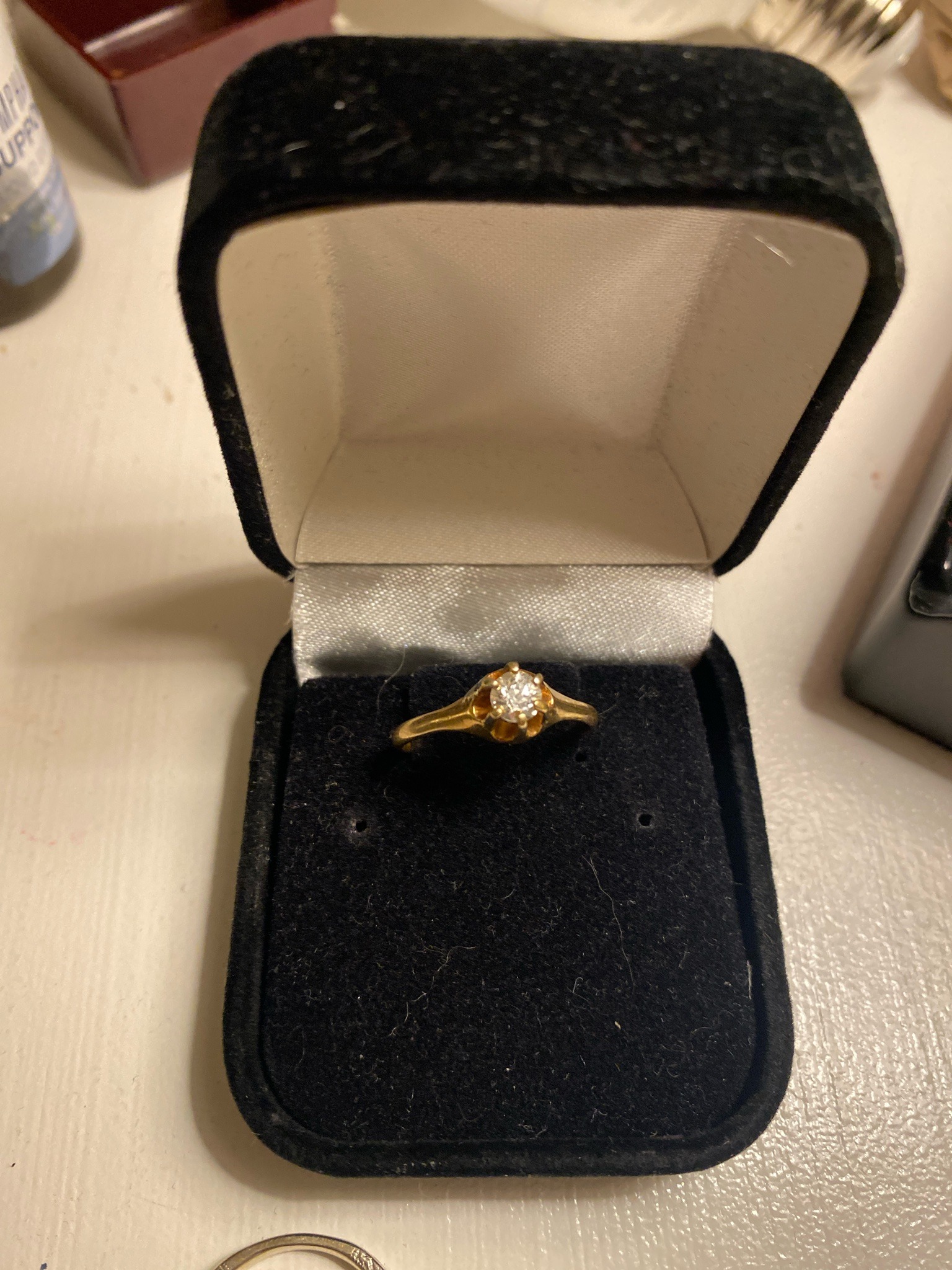
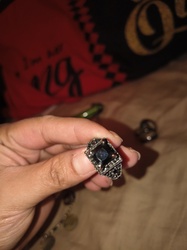
Submitted item photo
Submitted photo · June 6, 2026

User's notes

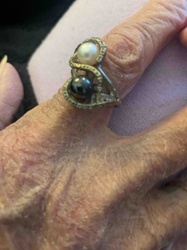
.33 k Diamond 12 k gold 1942 engagement ring yk

AI analysis below

AI appraisal

AI analysis & estimate

AI-Generated · Verify before acting

Everything below is generated by AI for informational purposes only. AI can make mistakes — the AI may misidentify items or misattribute them (artist, maker, brand, designer, origin, era). This is not an official valuation and should not be used for insurance, sale, tax, estate, legal, or lending purposes — or any decision requiring a certified appraisal. It is not an authoritative claim about any person, brand, or rights holder — do not share or rely on it as a factual statement about a third party. Always consult qualified professionals before making financial decisions.

Note

This analysis also relies on unverified notes provided by the user, which may be incomplete or inaccurate and could affect the result.

Read the full disclaimer

AI Identification

·Not independently authenticated·Verify before acting

1942 Vintage 12k Gold Engagement Ring with 0.33ct Diamond

Vintage Fine Jewelry

AI Estimated Value

·Not an official valuation·Verify before acting

$850 - $1,150

As of June 6, 2026

AI Item Analysis

·AI can make mistakes·Verify before acting
This is an authentic vintage solitaire engagement ring dating from the early 1940s (circa 1942). The ring is crafted from 12k yellow gold, featuring a distinct reddish hue indicative of historical gold alloys from that era. The centerpiece is a 0.33-carat round brilliant cut diamond, which is securely held in place by a stylized six-prong 'buttercup' or 'illusion' style setting that was popular during the mid-20th century to make the stone appear larger. The shank of the ring features a tapered design, leading toward wide, polished shoulders that provide a robust yet feminine profile. The craftsmanship is typical of the early WWII era, emphasizing durability and materials that were accessible during wartime. Physically, the ring shows a soft patina on the gold surface with minor surface scratches and evidence of gentle long-term wear, but the structure remains sound. The diamond appears clear to the naked eye with no significant visible inclusions or chips on the girdle or table. The setting is slightly elevated, allowing light to enter the pavilion of the stone to enhance brilliance. There is no visible maker's mark in the photograph, though the provided context confirms the gold purity and date. It reflects the Art Moderne influence of the late Deco period with its streamlined, minimalist gold work.
AI Appraisal Report

·AI can make mistakes·Verify before acting
Based on my visual examination of this 1942 solitaire engagement ring, the piece represents a classic example of WWII-era 'Retro' jewelry. The 12k yellow gold alloy, distinctive for its reddish tint, aligns with wartime metal restrictions and historical production standards. The 0.33ct diamond is presented in a period-appropriate buttercup illusion setting, a technique specifically designed to maximize the visual presence of smaller stones during a period of economic transition. The condition is excellent for its age; the slight patina and minor surface abrasions are consistent with 80 years of gentle wear and contribute to its vintage character without compromising structural integrity. In the current secondary market, authentic early 1940s bridal jewelry enjoys steady demand, particularly among buyers seeking ethical, historical alternatives to modern mass-produced rings. While 12k gold is less common than 14k, the 'circa 1942' provenance adds a collectible premium. However, this valuation is subject to several limitations inherent in digital appraisal. I cannot definitively verify the color or clarity grade of the diamond without a gemological loupe and controlled lighting, nor can I confirm the absence of internal strain or microscopic fractures. A physical inspection is required to test the gold purity via acid or X-ray fluorescence (XRF) and to weigh the stone precisely if it were unmounted. Full authentication would require microscopic analysis of the setting techniques to ensure they are not modern 'vintage-style' reproductions and, ideally, original sales documentation or provenance to confirm the 1942 dating.

Get your items appraised

Instant estimates of your treasures with AI-powered appraisals

Browse More Appraisals