AI identification & appraisal estimate

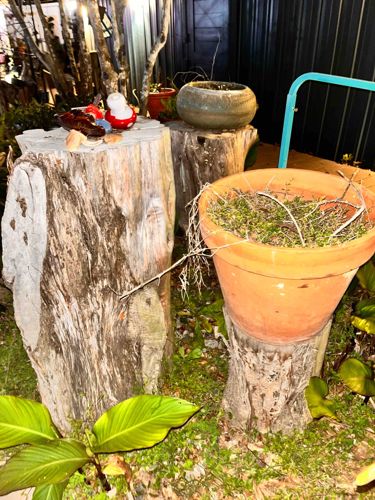
Outdoor Garden Terra Cotta Pottery and Tree Stump Display

Submitted photo of Outdoor Garden Terra Cotta Pottery and Tree Stump Display
Photo submitted by the user — not generated by AI

AI Estimated Value

Not an official valuation

$45 - $80

AI estimate as of March 20, 2026 · verify with a professional before acting

AI-Generated · Verify before acting

Everything on this page is generated by AI for informational purposes only. AI can make mistakes — the AI may misidentify items or misattribute them (artist, maker, brand, designer, origin, era). This is not an official valuation and should not be used for insurance, sale, tax, estate, legal, or lending purposes — or any decision requiring a certified appraisal. It is not an authoritative claim about any person, brand, or rights holder — do not share or rely on it as a factual statement about a third party. Always consult qualified professionals before making financial decisions.

Read the full disclaimer

AI Item Analysis

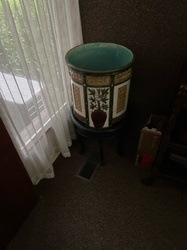
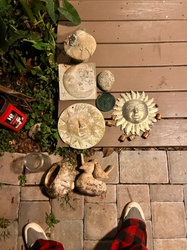
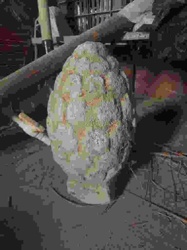
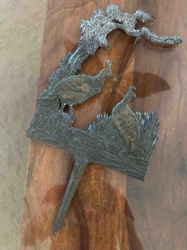
This outdoor garden collection features several disparate elements, primarily centered around a large classic terra cotta planter and weathered tree stumps used as pedestals. The primary terra cotta pot is a standard conical shape with a broad rim, exhibiting a distinctive orange-hued porous clay construction. It displays a natural white salt efflorescence (calcium buildup) on its exterior surface, which is common in aged garden pottery. The pot is positioned atop a weathered, light-colored tree stump that serves as a rustic plinth. To the left, a larger vertical tree stump is featured, showing significant textural bark patterns and vertical weathering cracks. On top of this larger stump, there are small decorative whimsical objects including a red and white ceramic garden gnome or mushroom figurine and various oyster shells. In the background, a low-profile, sage-green glazed ceramic bowl with a rounded, textured exterior sits on another minor stump. The overall condition reflects heavy outdoor exposure; the terra cotta shows signs of organic staining and minor rim wear, while the wood pedestals are in a state of natural decay with silvering patina typical of aged eucalyptus or oak. No visible maker’s marks are discernible in this setting, which appears to be a mid-to-late 20th-century residential garden arrangement. The craftsmanship of the pots is utilitarian, designed for durability and breathability for plant health.
AI Appraisal Report

Based on my examination of the image provided, this is a vernacular garden assemblage consisting of mass-produced terra cotta pottery and found natural objects, likely dating from the late 20th to early 21st century. The centerpiece is a standard commercial-grade terra cotta planter. The visible salt efflorescence (white staining) confirms age and usage but also suggests the clay is relatively porous and soft, typical of production-line Italian or domestic garden ware rather than high-fire stoneware. The condition is purely utilitarian; while there are no catastrophic cracks visible on the main pot, the rim wear and organic staining place it firmly in the 'used goods' category rather than antique collectibility. The supporting elements—weathered tree stumps—are decorative but hold no intrinsic commercial value beyond their aesthetic utility as rustic plinths. The small decorative items, such as the ceramic gnome/mushroom and oyster shells, appear to be standard garden whimsy of negligible individual value. The green glazed bowl in the background shows a slightly higher manufacturing quality, possibly glazed stoneware, but remains a minor component. The market for such items is strictly local (yard sales, garden estate liquidation) as the cost of shipping would exceed the value of the items. There is no rarity factor here; these are functional garden basics. Value is determined by immediate utility to a local buyer. Limitations in this appraisal include the inability to inspect the backside of the pottery for maker's marks or structural hairline fractures. I also cannot confirm if the wood stumps are treated or rotting internally, which affects their longevity. Consequently, the value is assigned as a decorative lot rather than individual antiques.

Keep exploring

More garden ornaments and pottery appraisals

Get your items appraised

Instant AI-powered appraisal estimates from a photo

Browse More Appraisals