AI Appraisal Estimate

AI-generated estimates · not official valuations

From the user

What was submitted

Photo and notes provided by the user — not generated by AI

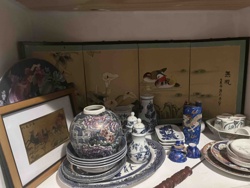
Submitted item photo
Submitted photo · May 17, 2026

User's notes

No additional notes provided.

AI analysis below

AI appraisal

AI analysis & estimate

AI-Generated · Verify before acting

Everything below is generated by AI for informational purposes only. AI can make mistakes — the AI may misidentify items or misattribute them (artist, maker, brand, designer, origin, era). This is not an official valuation and should not be used for insurance, sale, tax, estate, legal, or lending purposes — or any decision requiring a certified appraisal. It is not an authoritative claim about any person, brand, or rights holder — do not share or rely on it as a factual statement about a third party. Always consult qualified professionals before making financial decisions.

Read the full disclaimer

AI Identification

·Not independently authenticated·Verify before acting

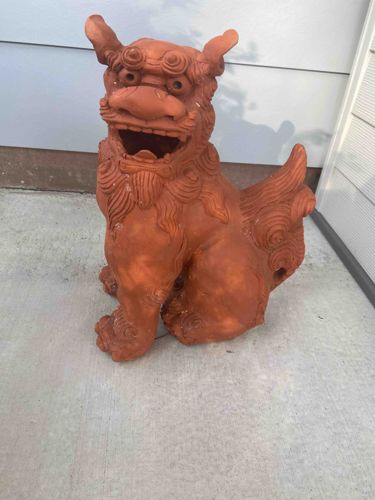
Okinawan Shisa Lion Statue

Asian Antiques & Collectibles / Decorative Arts

AI Estimated Value

·Not an official valuation·Verify before acting

$450 - $700

As of May 17, 2026

AI Item Analysis

·AI can make mistakes·Verify before acting
This is a large, hand-crafted Okinawan Shisa (guardian lion-dog) statue, meticulously rendered in traditional unglazed terracotta or red clay. The figure is depicted in a classic seated posture with an open mouth, which in Ryukyuan culture is intended to ward off evil spirits. Physically, the piece stands approximately 12 to 18 inches tall and exhibits a rich, earthy burnt-sienna hue with a matte texture characteristic of high-fired clay. The craftsmanship shows significant detail, particularly in the deeply incised fur of the mane and the stylized, flame-like swirls of the upright tail. The facial features are bold, including bulging eyes, a broad flat nose, and a visible tongue within the mouth. Notable markings include hand-carved decorative flourishes along the haunches and legs. Condition-wise, the statue shows signs of outdoor exposure commensurate with age, including minor surface abrasions, small white mineral deposits or 'bloom' likely from moisture, and a gentle weathering patina that softens the clay's edges. There are no immediate signs of structural cracks or major repairs, suggesting a robust construction. Based on the style and weathering, it is likely a mid-20th-century to contemporary piece of Japanese folk art, demonstrating high-quality artisanal molding and carving techniques indicative of Okinawan or Yachimun pottery traditions.
AI Appraisal Report

·AI can make mistakes·Verify before acting
Based on my visual examination of this Okinawan Shisa, I find it to be a high-quality example of Ryukyuan Yachimun pottery, likely dating from the mid-to-late 20th century. The craftsmanship is superior to mass-produced tourist versions, specifically noted in the hand-incised detailing of the mane and the dynamic, open-mouthed 'Agyo' posture. The weathered patina and mineral bloom suggest a period of outdoor placement, which is traditional and adds to its aesthetic authenticity as a protective household guardian. The market for authentic Okinawan folk art (Mingei) remains stable, particularly for larger-scale, unglazed terracotta pieces. Comparables for hand-molded Shisa of this size and detail typically realize between $400 and $850 at specialty auction houses or boutique galleries specializing in Asian decorative arts. The value is buoyed by the statue's robust condition; while superficial 'bloom' is present, the lack of structural fractures or replaced limbs preserves its marketability. However, there are limitations to this digital appraisal. Without a physical inspection, I cannot verify the presence of a maker's mark (often found on the interior or underside) which could identify a renowned potter and significantly increase the value. Full authentication would require an in-person examination to assess the weight and clay composition, and to ensure that visible 'weathering' is natural rather than chemically induced. Additionally, provenance documentation regarding its origin in Okinawa or its importation history would be necessary to solidify a definitive valuation at the higher end of the spectrum.

Get your items appraised

Instant estimates of your treasures with AI-powered appraisals

Browse More Appraisals