AI Appraisal Estimate

AI-generated estimates · not official valuations

From the user

What was submitted

Photo and notes provided by the user — not generated by AI

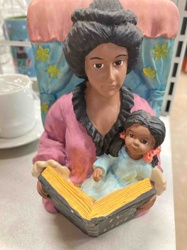
Submitted item photo
Submitted photo · June 6, 2026

User's notes

No additional notes provided.

AI analysis below

AI appraisal

AI analysis & estimate

AI-Generated · Verify before acting

Everything below is generated by AI for informational purposes only. AI can make mistakes — the AI may misidentify items or misattribute them (artist, maker, brand, designer, origin, era). This is not an official valuation and should not be used for insurance, sale, tax, estate, legal, or lending purposes — or any decision requiring a certified appraisal. It is not an authoritative claim about any person, brand, or rights holder — do not share or rely on it as a factual statement about a third party. Always consult qualified professionals before making financial decisions.

Read the full disclaimer

AI Identification

·Not independently authenticated·Verify before acting

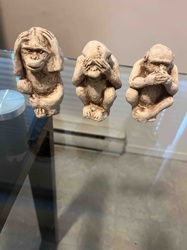
Vintage Chubby Baby Figurine / Planter

Figurine / Home Decor

AI Estimated Value

·Not an official valuation·Verify before acting

$15-30

As of June 6, 2026

AI Item Analysis

·AI can make mistakes·Verify before acting
This item is a ceramic or plaster figurine depicting a baby boy, likely designed for decorative purposes or as a planter. It features a chubby baby with a rosy complexion, prominent cheeks, and large, expressive eyes looking slightly upwards and to the right. The baby's head has sculpted brown hair with noticeable partings and waves. The body is depicted wearing a light blue outfit resembling overalls or a romper, complete with a white Peter Pan collar and two white circular buttons on the chest area. The baby is posed in a seated position with legs extended forward, and small hands are visible at the sides. The overall color scheme is predominantly light blue for the clothing, with flesh tones for the skin and brown for the hair, outlined with darker brown lines to define features like eyes, eyebrows, and mouth. The eyes have black pupils and a hint of white to simulate a slight sparkle or reflection. There are visible signs of wear and tear, including scuffs and small chips in the blue paint, particularly on the feet and around the edges, suggesting it is an older piece or has been handled frequently. The paint application appears somewhat hand-painted, indicative of mass production for home decor in the mid-20th century. While specific manufacturing marks are not visible in the image, its style is consistent with common ceramic or chalkware novelties from the 1950s to 1970s. The craftsmanship is decent for a decorative item of its type, but it exhibits minor imperfections typical of non-high-end production.
AI Appraisal Report

·AI can make mistakes·Verify before acting
Upon visual examination of this vintage chubby baby figurine/planter, I assess its condition as fair to good, consistent with an item of its likely age and use. The visible scuffs, chips, and paint wear, particularly on the feet and edges, are typical for ceramic or chalkware novelties from the mid-20th century (1950s-1970s). The hand-painted appearance and mass-produced aesthetic further support this era. Authenticity, based solely on imagery, appears consistent with common decorative items from that period, which were not typically counterfeited. Market conditions for such items are generally modest. These figurines fall into the broad category of 'kitschy' vintage home decor. Comparables in similar condition typically sell in the low to mid-range for decorative collectibles. Demand is niche; while there's a steady interest in vintage kitsch and nursery decor, this specific style isn't highly sought after by serious collectors, nor is it particularly rare. Factors significantly impacting value include its condition (the wear slightly reduces appeal), lack of specific manufacturer's marks (which could, if present, slightly increase value depending on the maker), and its decorative rather than artistic merit. Without physical inspection, I cannot confirm the material (ceramic vs. plaster/chalkware, which affects durability and slight value), nor can I ascertain if it was indeed a planter (presence of drainage hole). A physical examination would allow for definitive material identification, inspection of interior and base for marks or damage, and confirmation of its original function. Provenance documentation would add to its history but is rarely available for such mass-produced items.

Get your items appraised

Instant estimates of your treasures with AI-powered appraisals

Browse More Appraisals