AI Appraisal Estimate

AI-generated estimates · not official valuations

From the user

What was submitted

Photo and notes provided by the user — not generated by AI

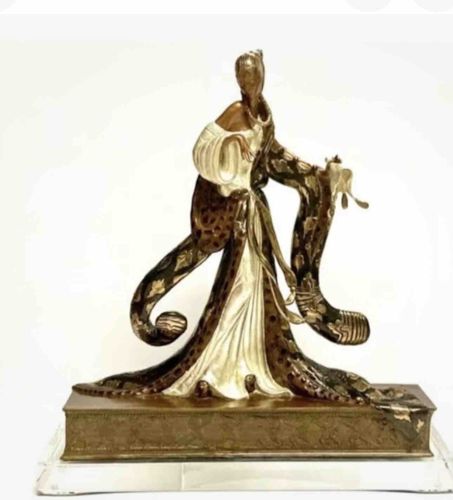
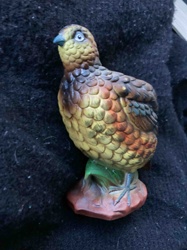
Submitted item photo
Submitted photo · June 6, 2026

User's notes

No additional notes provided.

AI analysis below

AI appraisal

AI analysis & estimate

AI-Generated · Verify before acting

Everything below is generated by AI for informational purposes only. AI can make mistakes — the AI may misidentify items or misattribute them (artist, maker, brand, designer, origin, era). This is not an official valuation and should not be used for insurance, sale, tax, estate, legal, or lending purposes — or any decision requiring a certified appraisal. It is not an authoritative claim about any person, brand, or rights holder — do not share or rely on it as a factual statement about a third party. Always consult qualified professionals before making financial decisions.

Read the full disclaimer

AI Identification

·Not independently authenticated·Verify before acting

Art Deco Style Orientalist Bronze and Ivory Figurine

Sculpture/Figurine

AI Estimated Value

·Not an official valuation·Verify before acting

$4,000 - $6,000

As of June 6, 2026

AI Item Analysis

·AI can make mistakes·Verify before acting
This exquisite figurine depicts a female figure, likely representing an Empress or an elegant lady, rendered in an Art Deco style with strong Orientalist influences. The figure appears to be composed of multiple materials, suggesting a combination of bronze and possibly ivory for the skin tones or lighter elements. The primary color palette consists of rich, deep browns, black, and light cream or white, with gilded accents. The woman is draped in a flowing, highly stylized robe or gown with a pronounced train. The garment showcases an intricate pattern reminiscent of reptile skin or abstract organic motifs in gilded brown and black, contrasting beautifully with the creamy, pleated underskirt or lining. Her pose is graceful and dynamic, with one arm extended forward. The figure stands on a rectangular base, which itself appears to be bronze with distressed gold or gilt details and a textured surface. This base is further elevated by a stepped plinth, possibly of marble or a similar light-colored stone, adding to its stature and perceived value. The craftsmanship appears to be of high quality, with fine detailing visible in the drapery and the overall composition. There are visible signs of aging and wear, particularly on the gilded portions of the base and the figure's garment, indicating a historical patina rather than significant damage. The overall aesthetic points to an early 20th-century origins, specifically the Art Deco period, known for its exoticism and luxurious materials.
AI Appraisal Report

·AI can make mistakes·Verify before acting
Upon visual examination of the provided images, this Art Deco style Orientalist figurine presents as a high-quality chryselephantine sculpture, likely from the early 20th century. The combination of patinated and gilded bronze with what appears to be carved ivory for the face, hands, and feet is characteristic of premier artists from the period, such as Demétre Chiparus or Ferdinand Preiss. The craftsmanship is excellent; the drapery is fluid and detailed, the pose is dynamic, and the two-tiered base of bronze and marble adds to its sophisticated presentation. The visible patina and age-appropriate wear on the gilt surfaces are consistent with an authentic period piece and do not significantly detract from its value; in fact, they can help confirm its age. The market for authentic Art Deco chryselephantine sculptures remains strong, particularly for figures that epitomize the era's fascination with exoticism and elegance. Comparables from recognized artists can command five to six figures, but even high-quality, unsigned pieces are highly sought after. This figure's appealing subject matter—an Empress or noble lady—and excellent composition make it very desirable. The primary factor impacting its value is authentication. From images alone, I cannot definitively confirm the artist's signature, the exact composition of the metals, or, most critically, whether the white material is genuine elephant ivory. Confirming authenticity would require in-person examination to locate a signature or foundry mark, X-ray fluorescence (XRF) analysis for the metal, and either expert visual inspection or scientific testing (such as the 'hot pin test' or FTIR spectroscopy) to verify the ivory. Provenance documentation would also be crucial. If confirmed as a genuine period piece by a known artist, its value could increase substantially, while a later reproduction or a piece made with synthetic materials would be valued significantly lower.

Get your items appraised

Instant estimates of your treasures with AI-powered appraisals

Browse More Appraisals