AI Appraisal Estimate

AI-generated estimates · not official valuations

From the user

What was submitted

Photo and notes provided by the user — not generated by AI

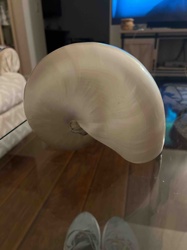
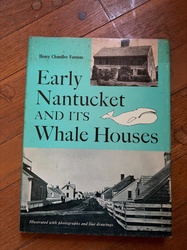
Submitted item photo
Submitted photo · June 6, 2026

User's notes

No additional notes provided.

AI analysis below

AI appraisal

AI analysis & estimate

AI-Generated · Verify before acting

Everything below is generated by AI for informational purposes only. AI can make mistakes — the AI may misidentify items or misattribute them (artist, maker, brand, designer, origin, era). This is not an official valuation and should not be used for insurance, sale, tax, estate, legal, or lending purposes — or any decision requiring a certified appraisal. It is not an authoritative claim about any person, brand, or rights holder — do not share or rely on it as a factual statement about a third party. Always consult qualified professionals before making financial decisions.

Read the full disclaimer

AI Identification

·Not independently authenticated·Verify before acting

Pair of Queen Conch Shells (Aliger gigas)

Natural History / Nautical Collectibles

AI Estimated Value

·Not an official valuation·Verify before acting

$40 - $70

As of June 6, 2026

AI Item Analysis

·AI can make mistakes·Verify before acting
This is a set of two large, natural Queen Conch (Aliger gigas, formerly Strombus gigas) marine gastropod shells. The specimens exhibit characteristic heavy, calcified structures with prominent spiral spires and flared, wing-like outer lips. The shell on the left is larger and significantly more weathered, displaying a chalky white finish with visible 'crazing' or surface hairline fractures, suggesting long-term exposure to sun or sand-bleaching which has stripped the periostracum and original pink nacreous finish. The shell on the right is smaller and retains more natural coloration, featuring a creamy-beige exterior with visible growth lines and darker ridge highlights. Both shells feature robust, blunt spines on the shoulder. Notable condition issues include erosion to the pointed tips, minor chipping along the delicate edges of the flared lips, and significant surface dulling on the larger specimen. These are natural organic objects rather than manufactured goods, though they are commonly used as decorative arts or nautical collectibles. Their size and heavy calcification indicate they were likely harvested as mature adults. Based on the degree of weathering, they appear to be older vintage finds rather than fresh specimens. There are no visible maker's marks, as these are natural biological specimens.
AI Appraisal Report

·AI can make mistakes·Verify before acting
I have virtually examined this pair of Queen Conch (Aliger gigas) shells. The specimens appear to be authentic biological gastropod shells, likely of Caribbean origin. The larger specimen shows significant calcification and 'sun-bleaching'—a common result of prolonged exposure to UV light or saltwater erosion—resulting in the loss of the desirable pink nacreous interior. The smaller specimen retains better definition but exhibits minor chipping common in nautical collectibles. From a market perspective, Queen Conch shells are abundant; however, international trade is strictly regulated under CITES Appendix II. Because these appear to be vintage specimens with significant weathering, they function primarily as decorative 'curiosity' pieces rather than museum-quality malacological specimens. The current market for weathered shells is stable but modest, with higher values reserved for specimens with deep pink interiors and intact spires. The lack of vibrant color significantly limits the ceiling price for these specific items. My valuation is based on similar sales at regional estate auctions and nautical decor shops. Limitations: This examination is based on visual imagery alone. A physical inspection is required to check for structural repairs via epoxy or to detect artificial whitening treatments. Full authentication for international trade would require CITES permits or documented provenance proving they were harvested prior to the regulation of the species. Without documentation regarding harvest date and origin, their legal transfer across international borders is restricted.

Get your items appraised

Instant estimates of your treasures with AI-powered appraisals

Browse More Appraisals