AI Appraisal Estimate

AI-generated estimates · not official valuations

From the user

What was submitted

Photo and notes provided by the user — not generated by AI

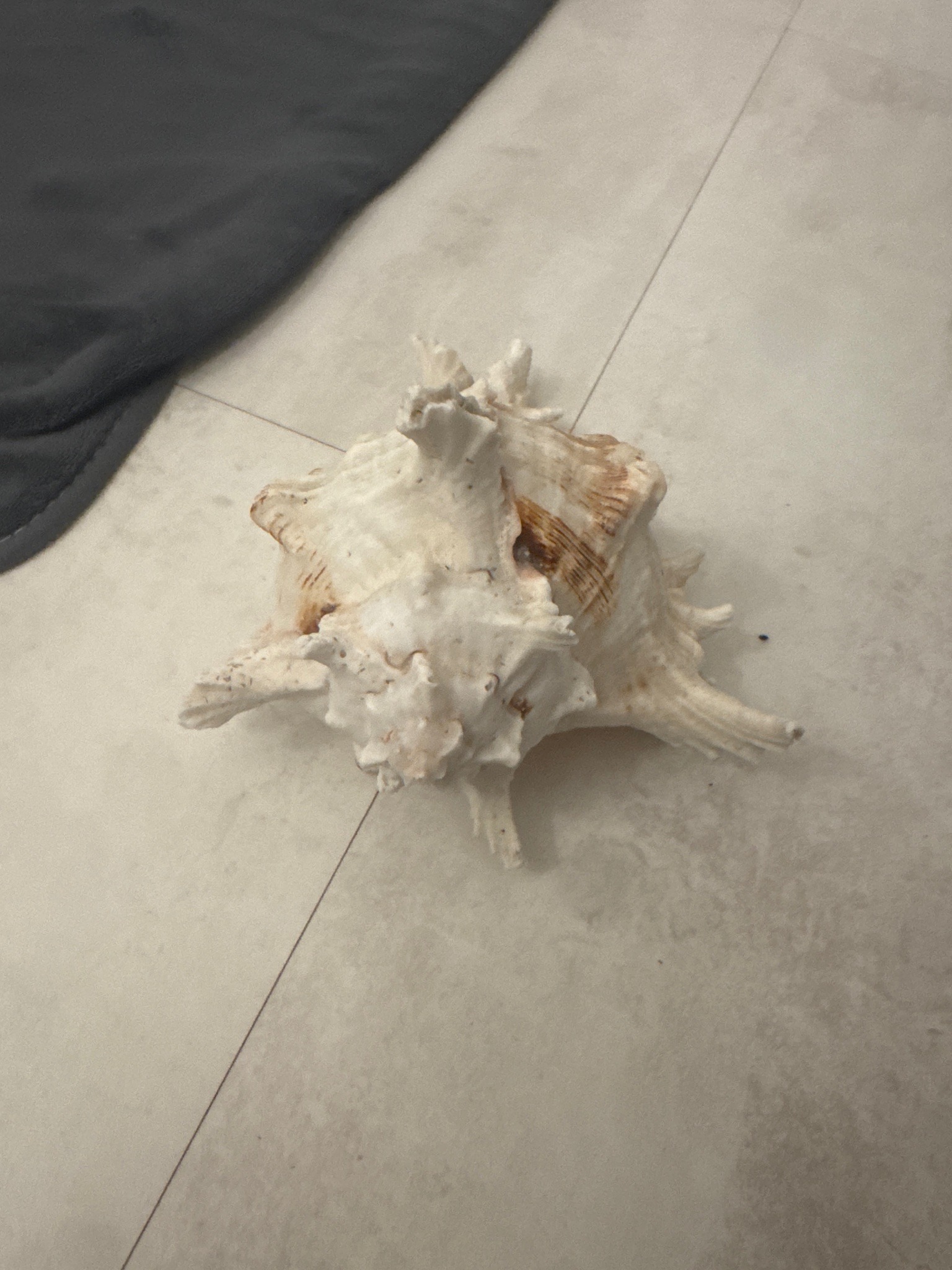
Submitted item photo
Submitted photo · May 19, 2026

User's notes

Muschel

AI analysis below

AI appraisal

AI analysis & estimate

AI-Generated · Verify before acting

Everything below is generated by AI for informational purposes only. AI can make mistakes — the AI may misidentify items or misattribute them (artist, maker, brand, designer, origin, era). This is not an official valuation and should not be used for insurance, sale, tax, estate, legal, or lending purposes — or any decision requiring a certified appraisal. It is not an authoritative claim about any person, brand, or rights holder — do not share or rely on it as a factual statement about a third party. Always consult qualified professionals before making financial decisions.

Note

This analysis also relies on unverified notes provided by the user, which may be incomplete or inaccurate and could affect the result.

Read the full disclaimer

AI Identification

·Not independently authenticated·Verify before acting

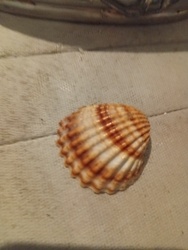
Large decorative seashell

Natural History Specimens

AI Estimated Value

·Not an official valuation·Verify before acting

$40.00 - $85.00

As of May 19, 2026

AI Item Analysis

·AI can make mistakes·Verify before acting
This object is a large marine gastropod seashell, stylistically consistent with the Murex family, specifically resembling the Chicoreus ramosus or branched murex species. The item, which the owner refers to as a 'Muschel' (unverified), features a complex, heavy calcium carbonate structure with numerous hollow fronds and spine-like protrusions. The exterior color is predominantly off-white or cream, showing some natural brownish-orange striations and growth lines near the older whorls of the spiral. The surface appears rugged and calcified, with some visible weathering and minor chipping at the tips of the more delicate spines, suggesting it may have been harvested or beach-worn. There are no visible maker's marks, signatures, or engravings, which is typical for a natural biological specimen. Without a physical inspection, it is impossible to determine its exact geographic origin or if it has been chemically treated for preservation. The shell appears to be of substantial size, resting on a tiled floor, indicating it is likely a decorative display piece. The intricate growth patterns provide a high level of natural craftsmanship typical of mature mollusks in tropical waters.
AI Appraisal Report

·AI can make mistakes·Verify before acting
Based on my visual analysis of the provided image, this specimen appears to be a large marine gastropod, likely residing within the Chicoreus genus, possibly a Chicoreus ramosus (branched murex). The user identifies the object as a 'Muschel', which is a generic German term for a shell or bivalve. From what I can see, the shell displays characteristic heavy calcium carbonate walls and frondose spines typical of mature murex specimens. The off-white exterior and visible growth lines suggest a natural biological origin, though I cannot verify from a photo if the shell has been chemically bleached or professionally cleaned to enhance its appearance. The estimated value is based on the assumption that this is a genuine biological specimen of significant size (estimated at 20-30cm based on the floor tile scale). Natural history specimens of this variety are common in the decorative market. The value is influenced by the condition of the delicate spines; I note some minor chipping and blunting, which is frequent in beach-worn or vintage examples and slightly reduces marketability compared to 'gem-quality' specimens. If this were found to be a synthetic resin reproduction rather than a natural shell, the value would likely drop to the $10-$20 range. The market for decorative shells is stable, with demand driven by interior design trends. To confirm this estimate and the shell's biological integrity, a physical inspection is required to check for repairs, hidden cracks, or artificial coatings. A definitive species identification would rely on examining the aperture and columella details, which are not fully visible here. Large, intact specimens typically command higher prices in specialized maritime auctions or high-end decor boutiques.

Get your items appraised

Instant estimates of your treasures with AI-powered appraisals

Browse More Appraisals