AI Appraisal Estimate

AI-generated estimates · not official valuations

From the user

What was submitted

Photo and notes provided by the user — not generated by AI

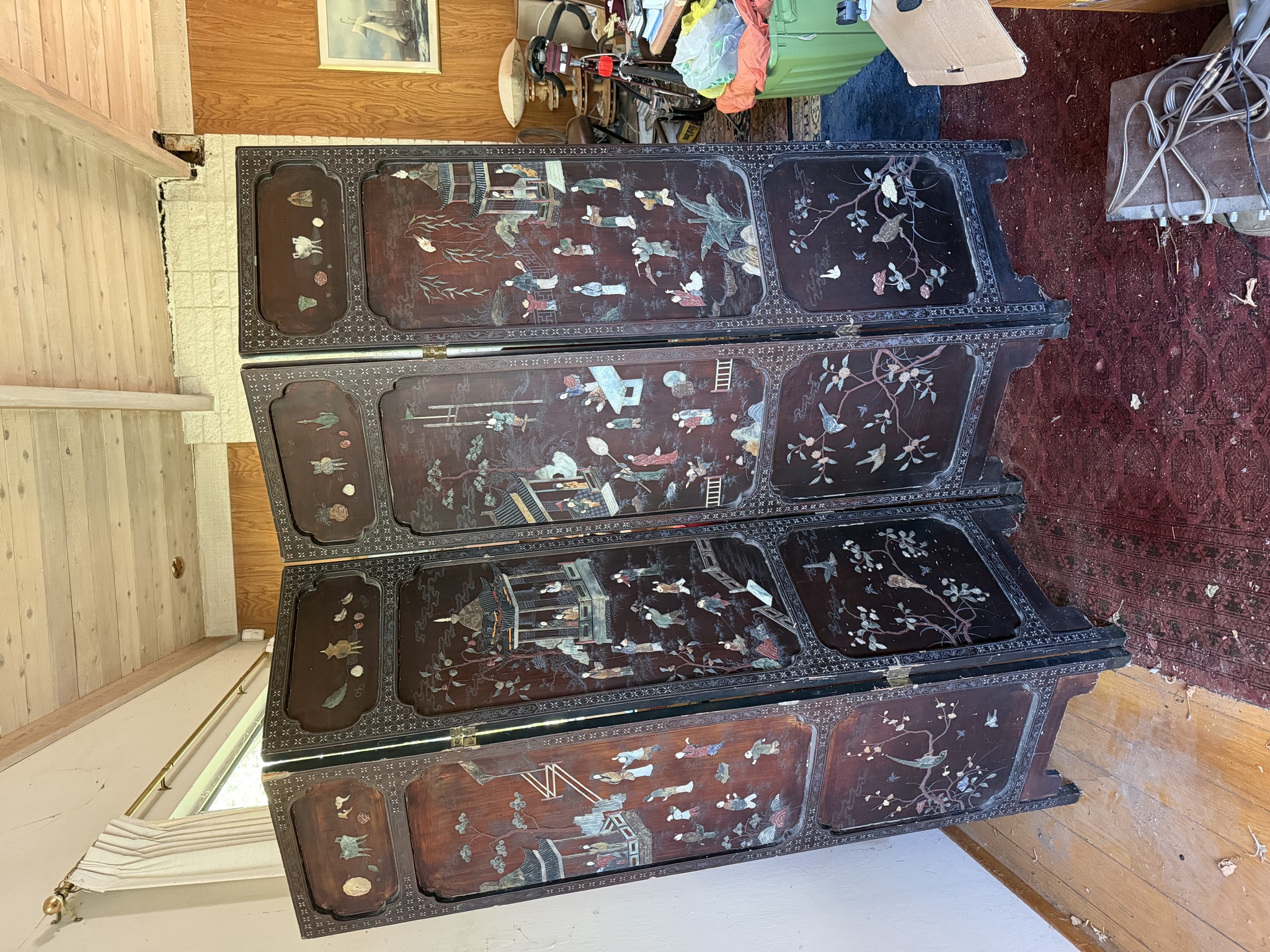
Submitted item photo
Submitted photo · July 14, 2026

User's notes

Purchased in china in 1940s but older. 4 panels each 6 feet tall.

AI analysis below

AI appraisal

AI analysis & estimate

AI-Generated · Verify before acting

Everything below is generated by AI for informational purposes only. AI can make mistakes — the AI may misidentify items or misattribute them (artist, maker, brand, designer, origin, era). This is not an official valuation and should not be used for insurance, sale, tax, estate, legal, or lending purposes — or any decision requiring a certified appraisal. It is not an authoritative claim about any person, brand, or rights holder — do not share or rely on it as a factual statement about a third party. Always consult qualified professionals before making financial decisions.

Note

This analysis also relies on unverified notes provided by the user, which may be incomplete or inaccurate and could affect the result.

Read the full disclaimer

AI Identification

·Not independently authenticated·Verify before acting

Chinese-style four-panel folding screen with hardstone inlay

Furniture

AI Estimated Value

·Not an official valuation·Verify before acting

$1,500 – $2,500

As of July 14, 2026

AI Item Analysis

·AI can make mistakes·Verify before acting
This four-panel folding floor screen appears to be constructed from dark wood or lacquer, featuring decorative inlays consistent with 'Shibayama' or similar hardstone applique techniques. Each of the four panels is divided into sections: a small upper cartouche containing still-life motifs, a large central scene depicting figures in a courtyard or garden setting with architectural elements like pavilions, and a mid-sized section featuring floral and bird motifs. The owner reports that the screen was purchased in China in the 1940s and stands approximately six feet tall, though these details remain unverified without physical inspection. The inlay materials appear to include soapstone, mother-of-pearl, or bone, creating a three-dimensional effect against the dark ground. The panels are bordered by intricate geometric and floral carving, and are connected by metal hinges. Visible condition issues include significant wear to the surface finish, some possible losses to the delicate inlay, and general scuffing consistent with age and use. Stylistically, the piece shares characteristics with late Qing Dynasty or early Republic period export wares, though without a visible maker's mark or seal, the specific age and origin cannot be determined from the image alone. The craftsmanship displays a high level of detail in the figurative compositions and the border carvings.
AI Appraisal Report

·AI can make mistakes·Verify before acting
Based on my visual analysis of the provided images, this four-panel folding screen features hardstone and mother-of-pearl inlays on a dark ground, likely representing late Qing Dynasty or early Republic period export craftsmanship. Per the user submission, the piece was acquired in China in the 1940s and stands approximately six feet tall. I can observe intricate figurative scenes and floral cartouches, but I cannot verify the specific materials—such as whether the inlays are soapstone or a synthetic composite—without a physical inspection. The value estimate assumes the owner’s provenance is accurate and the materials are natural hardstones. Condition issues, including visible wear to the lacquer finish and potential losses to the delicate inlay, significantly impact the valuation. In the current market, decorative screens of this type are valued for their scale and craftsmanship; however, if a physical examination reveals the piece to be a mid-20th-century reproduction or if the 'hardstone' is found to be molded resin, the value would likely drop to the $400–$600 range. To confirm this hypothesis, I would need to inspect the hinges for age-consistent wear, verify the substrate material, and look for any hidden signatures or seals. Without provenance documentation or a hands-on assessment of the joinery and inlay depth, this remains a working attribution. The provided range reflects typical market behavior for partially worn early 20th-century examples, though an unauthenticated or modern 'in the style of' piece would typically sell for much less.

Get your items appraised

Instant estimates of your treasures with AI-powered appraisals

Browse More Appraisals