AI identification & appraisal estimate

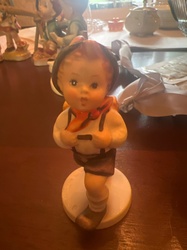
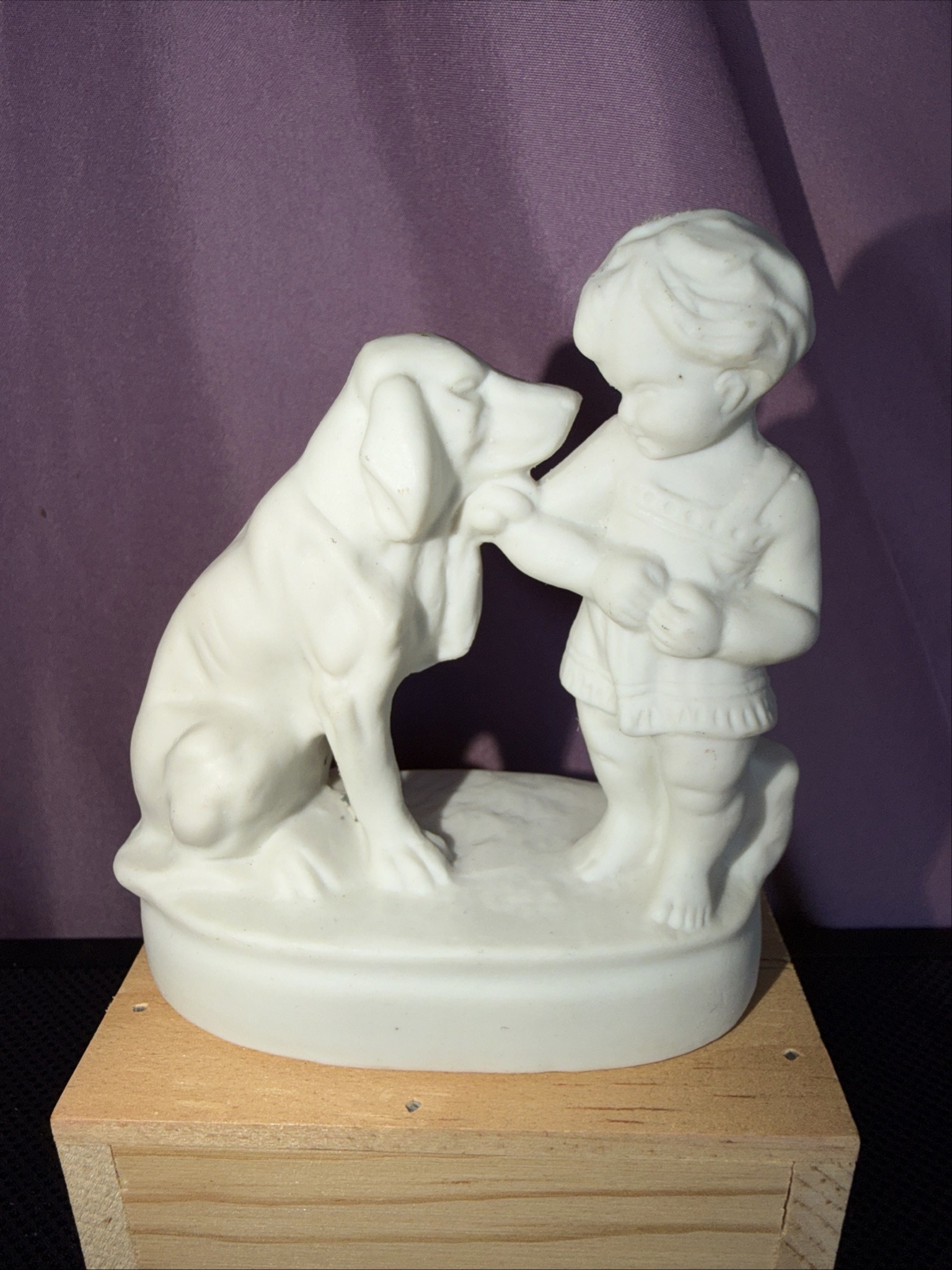
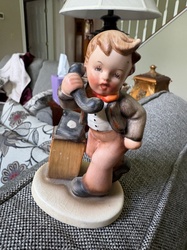
Bisque porcelain-style child and dog figurine

Submitted photo of Bisque porcelain-style child and dog figurine
Photo submitted by the user — not generated by AI

AI Estimated Value

Not an official valuation

$45–$85

AI estimate as of May 30, 2026 · verify with a professional before acting

AI-Generated · Verify before acting

Everything on this page is generated by AI for informational purposes only. AI can make mistakes — the AI may misidentify items or misattribute them (artist, maker, brand, designer, origin, era). This is not an official valuation and should not be used for insurance, sale, tax, estate, legal, or lending purposes — or any decision requiring a certified appraisal. It is not an authoritative claim about any person, brand, or rights holder — do not share or rely on it as a factual statement about a third party. Always consult qualified professionals before making financial decisions.

Read the full disclaimer

AI Item Analysis

This figurine appears to be made of bisque or unglazed porcelain, characterized by a matte white finish and a soft, velvety texture common in late 19th or early 20th-century decorative ceramics. The piece depicts a young child in a short tunic standing next to a seated hound-style dog, with the child appearing to hold the dog's paw or interact with its snout. The figures are set upon an integral oval base with a slightly textured 'ground' surface. The craftsmanship shows soft modeling of the child's hair and the dog's musculature, consistent with mass-produced Parian-ware style or European bisque figurines of the Victorian or Edwardian eras. Small dark specks or surface inclusions are visible, which may be factory defects or accumulated atmospheric grime. There are no maker's marks, signatures, or serial numbers visible in the image, meaning the identification is based solely on stylistic analysis. The attribution to a specific porcelain manufactory (such as Heubach or Galluba & Hofmann) would require a physical inspection of the underside for incised marks. The overall condition appears stable with no major visible chips, although the matte surface shows some light staining and dust accumulation in the crevices.
AI Appraisal Report

Based on the visual evidence provided, I have evaluated this figurine as a piece of European-style bisque porcelain, likely dating from the turn of the 20th century. The matte finish and modeling are consistent with the Parian-style wares produced widely in Germany and France during this period. However, I cannot verify the specific manufacturer or the exact quality of the paste from a photo alone; a physical inspection of the underside to check for incised numbers or sunburst marks would be necessary to suggest a specific maker like Heubach. The current valuation reflects the market for unattributed Victorian-era bisque. These items are currently seeing stable but modest demand, as the market for 'brown furniture' and associated decorative dust-collectors has softened. The absence of a visible maker's mark limits its appeal to specialized collectors. While the piece appears to be in fair condition, I cannot rule out professional repairs or hairline cracks that are often invisible in photographs. I have based this estimate on the hypothesis that this is a period-original piece; if it were determined upon physical inspection to be a mid-20th-century reproduction or a later slip-cast copy, the value would likely decrease to under $20. Conversely, if an in-person examination revealed a rare maker's mark or established a more prestigious provenance, the value could potentially exceed $150. To establish a more precise valuation, one would need to verify the porosity of the ceramic, check for black-light evidence of restoration, and consult factory-specific catalogs to match the mold number if one exists.

Keep exploring

More ceramic figurines appraisals

Get your items appraised

Instant AI-powered appraisal estimates from a photo

Browse More Appraisals