AI estimate as of October 12, 2025 · verify with a professional before acting
AI-Generated · Verify before acting
Everything on this page is generated by AI for informational purposes only. AI can make mistakes — the AI may misidentify items or misattribute them (artist, maker, brand, designer, origin, era). This is not an official valuation and should not be used for insurance, sale, tax, estate, legal, or lending purposes — or any decision requiring a certified appraisal. It is not an authoritative claim about any person, brand, or rights holder — do not share or rely on it as a factual statement about a third party. Always consult qualified professionals before making financial decisions.
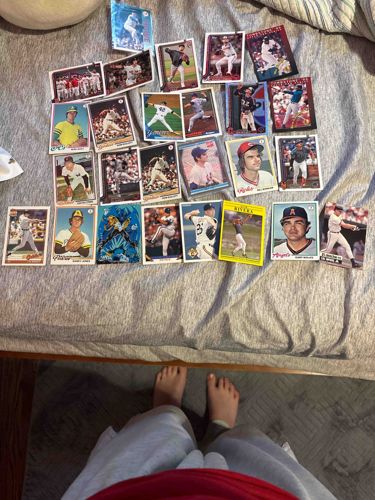
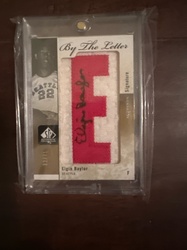
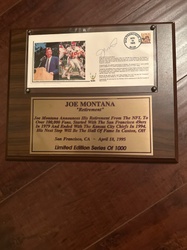
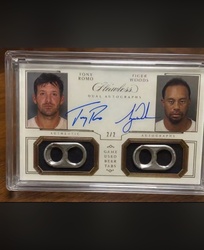
This collection consists of approximately 30-40 individual baseball trading cards, predominantly displaying images of professional baseball players in action poses, portraits, or team shots. The cards vary significantly in their design, suggesting a range of manufacturing dates. Physical characteristics indicate they are made from cardstock, with some appearing thicker and glossier than others. Colors are vibrant on many cards, with a mix of traditional photography and some illustration-style artwork. The sizes appear to be standard baseball card dimensions, roughly 2.5 inches by 3.5 inches, though some variations in border width are observable. Notable features include team logos, player names, and likely statistical information on the reverse sides, though only the fronts are visible. Some cards exhibit a classic aesthetic with simple borders and player names, while others feature more elaborate graphics, holographic elements (as seen on a few cards with a shimmering effect), and intricate background designs. Visible condition issues are difficult to determine precisely without closer inspection, but general observations suggest some cards may have minor edge wear or corner rounding, common with handling and age. However, many appear to be in good to very good condition. There are no obvious major creases, tears, or significant discoloration visible from this distance. Manufacturing details such as specific brand names (e.g., Topps, Upper Deck, Fleer, Donruss) are not clearly legible but can be inferred from the varying styles. The collection appears to span several decades, with some cards possessing a distinct vintage look (e.g., simpler designs, older player uniforms) from perhaps the 1970s and 80s, alongside more modern cards from perhaps the 1990s or early 2000s, evidenced by the more dynamic photography and graphic treatments. The variety in design and potential age indicates a diverse assortment rather than a single series or year set.
AI Appraisal Report
I have examined the provided images of this assortment of vintage and modern baseball trading cards. Based on visual cues, the collection appears to contain 30-40 cards spanning several decades, likely from the 1970s/80s through the 1990s/early 2000s, evidenced by varying design aesthetics, from classic simple borders to more elaborate graphics and holographic elements. While I cannot confirm authenticity from images alone, the cards exhibit typical manufacturing characteristics for the era, including standard cardstock, typical sizing, and expected variations in gloss. There are no obvious signs of counterfeiting, but in-person examination would be crucial for definitive authentication.
Condition appears to be good to very good overall, with some minor edge wear or corner rounding visible on certain cards, which is common for handled items of this type and age. No major creases, tears, or significant discoloration are apparent.
Market conditions for ungraded, unsorted collections of common vintage and modern baseball cards are generally modest. Without knowing specific players, manufacturers, or production years, it's difficult to identify any rare or highly sought-after cards. The value is primarily driven by the potential presence of key players or rarer inserts. Demand for such mixed lots is moderate, often appealing to casual collectors or those looking to expand general collections. Factors significantly impacting value would be the discovery of Hall of Fame rookies, rare insert cards, or high-grade examples of more valuable cards. Without physical inspection to identify specific cards, assess true condition, and verify authenticity, a precise valuation is challenging. Provenance documentation, such as original packaging or purchase receipts, would further aid in authenticity verification for more valuable individual cards, though it's less common for such a mixed lot.
My appraisal reflects the potential for some desirable cards within a larger assortment of common cards, assuming good average condition. This valuation is subject to change upon detailed in-hand inspection and identification of specific card content.