AI Appraisal Estimate

AI-generated estimates · not official valuations

From the user

What was submitted

Photo and notes provided by the user — not generated by AI

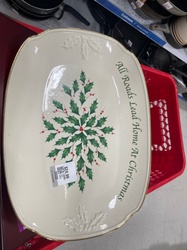
Submitted item photo
Submitted photo · June 6, 2026

User's notes

No additional notes provided.

AI analysis below

AI appraisal

AI analysis & estimate

AI-Generated · Verify before acting

Everything below is generated by AI for informational purposes only. AI can make mistakes — the AI may misidentify items or misattribute them (artist, maker, brand, designer, origin, era). This is not an official valuation and should not be used for insurance, sale, tax, estate, legal, or lending purposes — or any decision requiring a certified appraisal. It is not an authoritative claim about any person, brand, or rights holder — do not share or rely on it as a factual statement about a third party. Always consult qualified professionals before making financial decisions.

Read the full disclaimer

AI Identification

·Not independently authenticated·Verify before acting

Silver-Plated Individual Coffeepot or Teapot

Dinnerware/Serveware

AI Estimated Value

·Not an official valuation·Verify before acting

$30-50

As of June 6, 2026

AI Item Analysis

·AI can make mistakes·Verify before acting
This item is a small, individual-sized coffeepot or teapot, likely silver-plated, featuring an ornate and classic design. The primary material appears to be a polished, reflective silver-toned metal, possibly silver-plate over a base metal, which exhibits a high sheen and shows reflections of the surrounding environment. It has an ovoid body, tapering slightly towards the top, with a gracefully curved spout and a prominent, scrolled handle. The handle is intricately designed with acanthus leaf or similar floral motifs, adding a decorative flair. The lid is domed with a finial at its apex, also featuring a decorative, possibly fluted or pineapple-shaped, embellishment. The pot is supported by four small, scrolled feet, each echoing the ornate style of the handle. There are no visible major dents or significant damage, suggesting it is in good, used condition. Some minor surface wear or tarnish might be present, consistent with age and use, though the overall polish is quite good. The craftsmanship appears to be machine-made or mass-produced, typical of silver-plated items from the mid-20th century onwards. The overall aesthetic points to a Victorian Revival or Traditional style, emphasizing decorative elements and a formal presentation. No discernible maker's marks or stamps are visible from the provided images.
AI Appraisal Report

·AI can make mistakes·Verify before acting
Upon visual examination of the provided image, I assess this individual coffeepot or teapot to be in good, used condition. The high polish suggests recent care, and there are no visible major dents or significant damage. Minor surface wear or tarnish, consistent with its age as a utilitarian item, is likely present but not apparent in the image. Authenticity as a silver-plated item from the mid-20th century or later seems highly probable given its characteristic Victorian Revival/Traditional style and apparent machine-made craftsmanship. The absence of visible maker's marks is common for mass-produced silver-plated goods, making precise dating or manufacturer identification difficult without in-person inspection. Market conditions for individual silver-plated coffeepots or teapots are generally modest. While decorative, these items are often readily available, contributing to a lower demand unless a specific, rare manufacturer or unique design is identified. Comparables in the secondary market (e.g., online marketplaces, antique malls) for similar individual silver-plated teapots or coffeepots in good condition typically range from $20 to $60. Factors impacting this value include the lack of solid silver content, the likelihood of mass production, and currently subdued collector interest in common silver-plated wares. The item's primary value comes from its decorative appeal. Rarity is low; such pieces were produced in large quantities. The absence of specific identifying marks prevents any elevation in value due to a known maker. To fully authenticate the material as silver-plate and to identify any obscured maker's marks, a physical inspection would be necessary. This would involve examining for hallmarks, testing the metal for silver content, and more closely scrutinizing the craftsmanship. Without this, my assessment is based solely on visual cues and general market trends for similar items.

Get your items appraised

Instant estimates of your treasures with AI-powered appraisals

Browse More Appraisals