AI estimate as of December 4, 2025 · verify with a professional before acting
AI-Generated · Verify before acting
Everything on this page is generated by AI for informational purposes only. AI can make mistakes — the AI may misidentify items or misattribute them (artist, maker, brand, designer, origin, era). This is not an official valuation and should not be used for insurance, sale, tax, estate, legal, or lending purposes — or any decision requiring a certified appraisal. It is not an authoritative claim about any person, brand, or rights holder — do not share or rely on it as a factual statement about a third party. Always consult qualified professionals before making financial decisions.
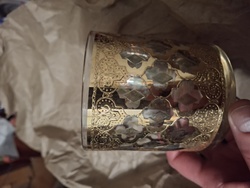
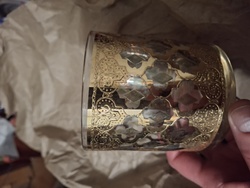
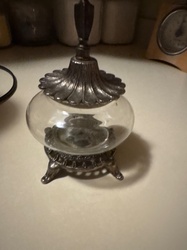
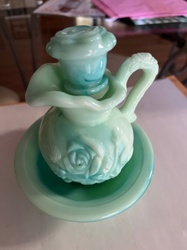
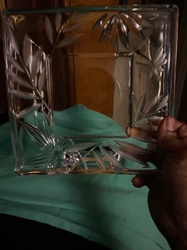
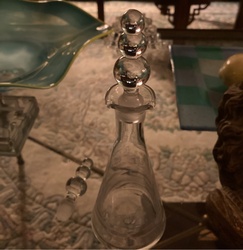
This exquisite item is a clear crystal bowl or vase, likely intended for decorative purposes or serving as a centerpiece. Its physical characteristics reveal a substantial, spherical or globular form, tapering slightly towards the top opening. The material is high-quality, clear glass or crystal, exhibiting excellent transparency and brilliance, which allows light to refract beautifully, creating captivating patterns on the underlying surface, as evidenced by the shadows cast on the wooden table. The most striking feature is the relief-cut swirl pattern that emanates from the base, spiraling upwards towards the rim. These swirls are deeply cut and polished, contributing to the item's tactile and visual appeal, and suggesting a high level of craftsmanship. The rim appears to be smoothly finished, without any visible chips or cracks. There are no discernible maker's marks, signatures, or stamps visible in the provided images, which might be located on the base or obscured. In terms of condition, the item appears to be in excellent, well-preserved state, free from obvious wear, damage, repairs, or significant patina. The clarity of the crystal is pristine, suggesting careful handling and maintenance. Given the style of the swirl cuts, this piece could potentially date from the mid-20th century to contemporary, reflecting a timeless design that complements various interior decor styles. The thickness of the glass and the precision of the cuts indicate a well-made and durable item, suggesting it is not a mass-produced, low-quality piece. The absence of color or embellishments other than the intrinsic pattern highlights the material's purity and the artistry of the glass-cutting technique.
AI Appraisal Report
I have virtually examined this clear crystal swirl pattern bowl/vase. Based on the provided images, the item appears to be in excellent condition, exhibiting no visible chips, cracks, repairs, or significant wear. The clarity and brilliance of the crystal are notable, suggesting good quality material. The relief-cut swirl pattern is well-executed and polished, indicating a level of craftsmanship above mass-produced inexpensive glassware. Authenticity, based solely on visual inspection, points to a clear decorative glass item, but specific manufacturer or origin cannot be definitively established without physical examination. The absence of visible maker's marks is common for many decorative glass pieces, or they may be on the base, obscured from view.
Market conditions for clear decorative crystal and glass bowls/vases with similar swirl patterns are generally stable. Comparable items, often found from manufacturers like Kosta Boda, Orrefors, or various unbranded quality crystal makers, typically retail in the $50-$200 range, depending on size, specific design, and brand recognition. This piece's substantial size and distinct swirling pattern contribute positively to its appeal. Demand for quality, versatile decorative glassware remains consistent, though it is not considered exceptionally rare. The universal appeal of clear crystal means it can fit into various interior design aesthetics.
Factors impacting value include the excellent condition and the attractive, well-executed design. The absence of a specific maker's mark limits its collectible value to enthusiasts of particular brands. If it were identifiable as a piece by a renowned crystal house, the value could be considerably higher. For full authentication and to ascertain a more precise value, a physical inspection would be crucial. This would allow for examination of the base for maker's marks, assessment of the glass quality through touch and weight, and precise measurements. Furthermore, scientific testing could verify material composition if there were any doubt between crystal and high-quality glass. Provenance documentation, if available, would also significantly enhance its value by confirming its history and origin.