AI estimate as of November 28, 2025 · verify with a professional before acting
AI-Generated · Verify before acting
Everything on this page is generated by AI for informational purposes only. AI can make mistakes — the AI may misidentify items or misattribute them (artist, maker, brand, designer, origin, era). This is not an official valuation and should not be used for insurance, sale, tax, estate, legal, or lending purposes — or any decision requiring a certified appraisal. It is not an authoritative claim about any person, brand, or rights holder — do not share or rely on it as a factual statement about a third party. Always consult qualified professionals before making financial decisions.
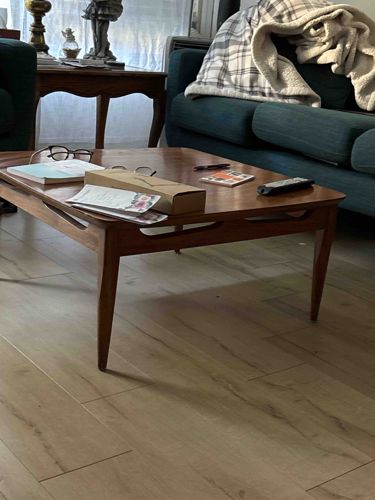
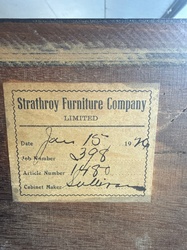
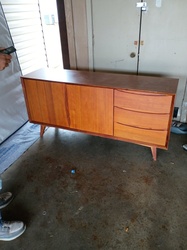
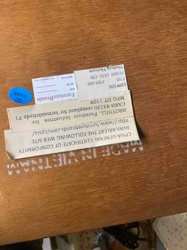
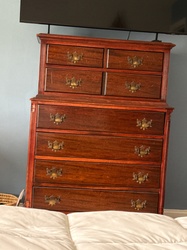
This is a rectangular coffee table, characteristic of the Mid-Century Modern style. It appears to be constructed from a rich, warm-toned wood, likely a mahogany, walnut, or teak veneer over solid wood or composite. The tabletop is elongated with slightly rounded corners and a smooth, polished finish, exhibiting a visible wood grain pattern that suggests quality timber. The legs are slender, tapered, and angled outwards, a typical design element of the era, providing a light and airy aesthetic. The apron of the table features a distinctive 'floating' or open design, where the tabletop appears to sit atop a recessed framework, creating negative space that adds to its minimalist appeal. There are no obvious visible maker's marks or identifying stamps from the provided images. The finish shows some signs of use consistent with its age, possibly minor surface scratches or dulling in certain areas, though no significant damage like deep gouges, cracks, or repairs are immediately apparent. The overall construction appears sturdy and well-crafted, indicative of the thoughtful design and manufacturing prevalent in the mid-20th century. The table’s proportions suggest it is ideal for a living room setting, combining functionality with an understated elegance. Its estimated age would be mid-20th century, likely between the 1950s and 1970s.
AI Appraisal Report
Based on my visual examination of the provided image, this Mid-Century Modern coffee table presents as a well-preserved example of its style. The construction, featuring a rich, warm-toned wood (likely mahogany, walnut, or teak veneer over a solid core) and characteristic tapered, angled 'sabre' legs, strongly aligns with designs from the 1950s-1970s. The 'floating' tabletop aesthetic further enhances its period authenticity and minimalist appeal.
The condition appears to be very good given its age, with only minor signs of use such as surface scratches or scuffing, which are commensurate with decades of regular use. There are no apparent major damages like deep gouges, chips, or structural issues. The polished finish seems largely intact, allowing the attractive wood grain to show through. This level of preservation is a significant factor in maintaining its value.
In terms of market conditions, Mid-Century Modern furniture continues to hold strong demand, with a particular appreciation for well-designed and functional pieces like this coffee table. While there are no visible maker's marks, which would typically elevate its value if attributed to a known designer or manufacturer (e.g., Lane, Broyhill, Drexel), its generic yet classic design ensures broad appeal. Comparables for unsigned, good-condition Mid-Century Modern coffee tables of this size and style typically range from $350 to $750, depending on the specific wood and local market.
The main limitation in this appraisal is the lack of physical inspection. Full authentication of the wood type (solid vs. veneer), country of origin, and the presence of any hidden repairs or structural weaknesses cannot be definitively confirmed from images alone. An in-person examination would allow for a tactile assessment of the finish, a closer inspection of all joints and structural integrity, and a thorough search for any subtle markings that might indicate a specific maker. Without these, the value remains within the range for a desirable, but unidentified, MCM piece.