AI identification & appraisal estimate

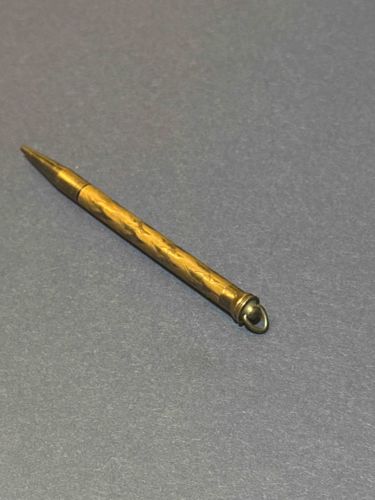
Antique Brass Mechanical Pencil with Engraved Pattern

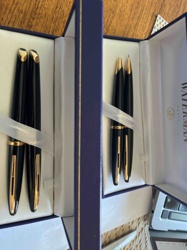
Submitted photo of Antique Brass Mechanical Pencil with Engraved Pattern
Photo submitted by the user — not generated by AI

User's notes

Mechanical pencil

These notes were written by the person who submitted this item. Appraiser.AI has not verified them, and the AI's identification and estimate may rely on them.

AI Estimated Value

Not an official valuation

$60-90

AI estimate as of August 10, 2025 · verify with a professional before acting

AI-Generated · Verify before acting

Everything on this page is generated by AI for informational purposes only. AI can make mistakes — the AI may misidentify items or misattribute them (artist, maker, brand, designer, origin, era). This is not an official valuation and should not be used for insurance, sale, tax, estate, legal, or lending purposes — or any decision requiring a certified appraisal. It is not an authoritative claim about any person, brand, or rights holder — do not share or rely on it as a factual statement about a third party. Always consult qualified professionals before making financial decisions.

This analysis also relies on unverified notes provided by the user, which may be incomplete or inaccurate and could affect the result.

Read the full disclaimer

AI Item Analysis

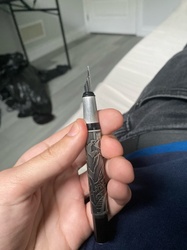
This item is an antique mechanical pencil, likely crafted from brass or a similar golden-hued metal. Its overall length appears to be approximately 3-4 inches based on the image scale. The body of the pencil is cylindrical with a distinguished tapered point at one end, enabling precise writing. A prominent feature is the engraved or etched pattern adorning the barrel, which consists of a series of intersecting diagonal lines forming a diamond or cross-hatch motif. This decorative element adds visual interest and may have also provided a better grip. The surface exhibits a noticeable patina, indicative of age and typical wear, with variations in color saturation suggesting areas of handling and natural oxidation over time. At the non-writing end, there is a small, round finial with an attached loop or ring, suggesting it was designed to be carried on a chain, watch fob, or necklace, common for writing instruments of the 19th or early 20th century. While specific maker's marks or signatures are not discernible from the provided image, the craftsmanship appears to be of good quality, typical of period mass-produced yet elegant personal accessories. There are no obvious signs of significant damage or repairs, though minor surface scratches and general wear are present consistent with its age and intended use. The overall aesthetic suggests a Victorian or Edwardian era origin.
AI Appraisal Report

Upon examination of the images provided, this item appears to be an antique mechanical pencil, likely of Victorian or Edwardian origin (c. 1880-1910). The brass body features an engine-turned or engraved cross-hatch pattern, a popular decorative style for personal writing instruments of the period. The presence of a suspension ring at the finial suggests it was designed to be worn on a watch chain or chatelaine. The overall condition appears to be good for its age, displaying a natural patina and signs of use consistent with an object over a century old. There are no visible signs of major damage or improper repairs, which is a positive value factor. The market for antique writing instruments is stable, with collectors seeking well-preserved examples from known makers. The value of this pencil is somewhat limited by the absence of discernible maker's marks (e.g., Tiffany & Co., Mabie Todd, S. Mordan & Co.), which would significantly elevate its price. Its value is derived from its aesthetic appeal, age, and good representative condition. Demand is steady for such decorative pieces, though it is not considered exceptionally rare. The primary factor influencing its value is its status as an anonymous but attractive period example. It is crucial to note that this appraisal is based solely on images. Full authentication would require in-person examination to confirm the material, inspect the internal mechanism for functionality and originality, and search for faint or hidden hallmarks. Without physical inspection, the material cannot be confirmed definitively as brass or a rolled gold, which would also impact value.

Keep exploring

More writing instrument appraisals

Get your items appraised

Instant AI-powered appraisal estimates from a photo

Browse More Appraisals