AI Appraisal Estimate

AI-generated estimates · not official valuations

From the user

What was submitted

Photo and notes provided by the user — not generated by AI

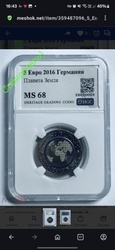
Submitted item photo
Submitted photo · June 2, 2026

User's notes

No additional notes provided.

AI analysis below

AI appraisal

AI analysis & estimate

AI-Generated · Verify before acting

Everything below is generated by AI for informational purposes only. AI can make mistakes — the AI may misidentify items or misattribute them (artist, maker, brand, designer, origin, era). This is not an official valuation and should not be used for insurance, sale, tax, estate, legal, or lending purposes — or any decision requiring a certified appraisal. It is not an authoritative claim about any person, brand, or rights holder — do not share or rely on it as a factual statement about a third party. Always consult qualified professionals before making financial decisions.

Read the full disclaimer

AI Identification

·Not independently authenticated·Verify before acting

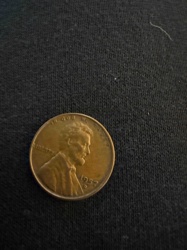
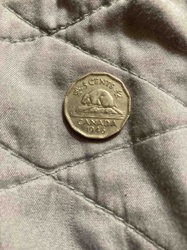
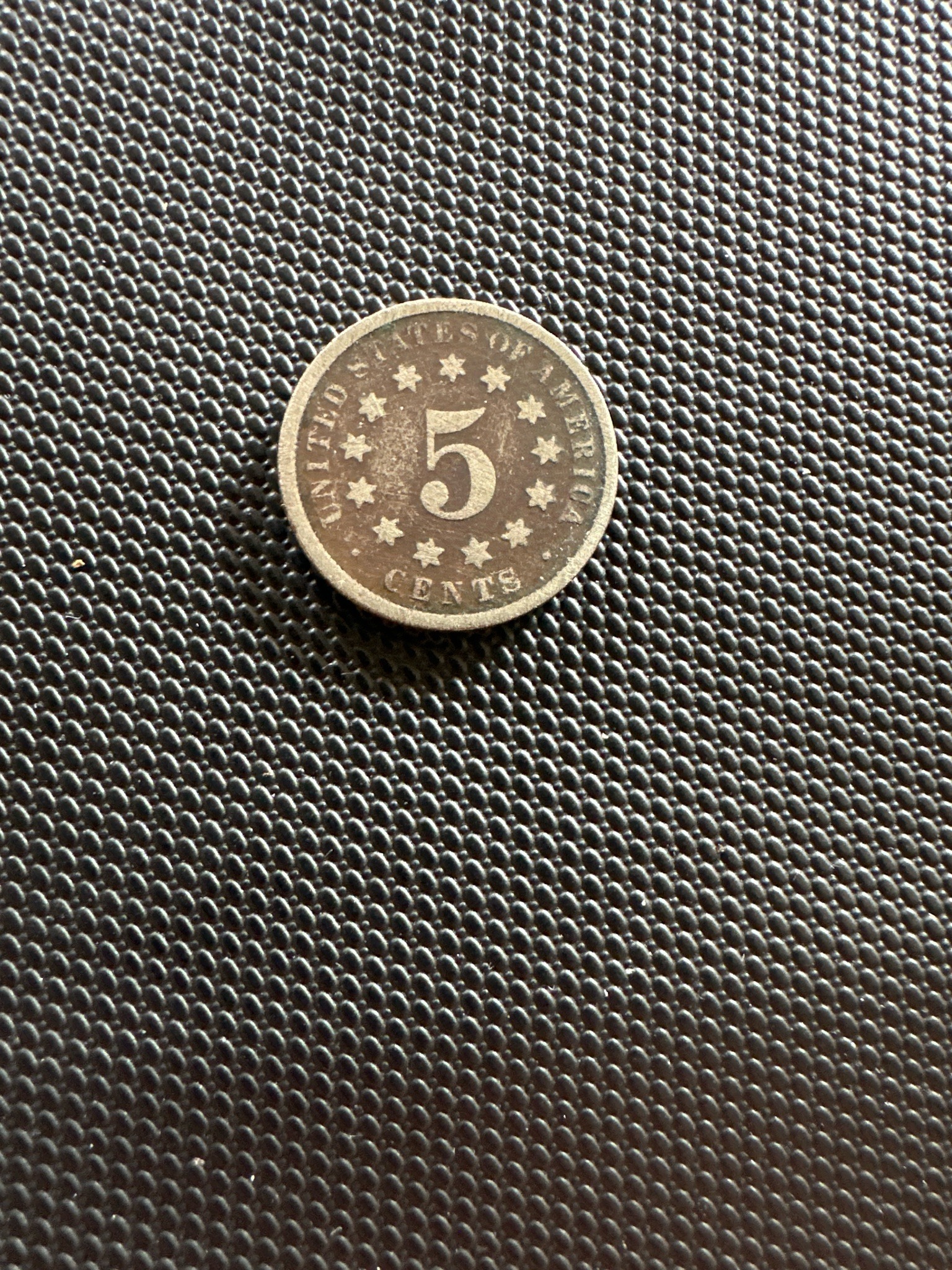
United States Shield Nickel (Reverse View)

Numismatics / Collectible Coins

AI Estimated Value

·Not an official valuation·Verify before acting

$2.00 - $5.00

As of June 2, 2026

AI Item Analysis

·AI can make mistakes·Verify before acting
This is a United States Shield Nickel, the first five-cent coin made of copper-nickel instead of silver, produced during the late 19th century (specifically between 1866 and 1883). The image shows the reverse side of the coin, which features a large numeral '5' centered within a circle of thirteen stars, representing the original colonies. The text 'UNITED STATES OF AMERICA' arches across the top edge, while 'CENTS' is inscribed at the bottom. The coin is composed of 75% copper and 25% nickel, measuring approximately 20.5 mm in diameter with a plain edge. This particular specimen displays significant wear and environmental oxidation, characterized by a dark, mottled brown-gray patina and localized pitting. The high points of the '5' and the stars are substantially flattened, indicating it spent a long period in circulation. There is a visible buildup of grime in the recessed lettering. While the lack of rays between the stars on this reverse suggests a minting date between 1867 and 1883, the date on the obverse (not shown) would be necessary for exact identification. Despite the circulation wear, the major design elements remain legible, which is common for found or heavily circulated 19th-century coinage.
AI Appraisal Report

·AI can make mistakes·Verify before acting
I have examined the provided image of the United States Shield Nickel reverse. The coin exhibits the 'Without Rays' design used from 1867 through 1883. Based on the visual evidence, I assess the condition as 'About Good' (AG-3) to 'Good' (G-4). There is significant environmental damage, characterized by deep oxidation, pitting, and a dark brown patina typical of a 'ground find' or a coin exposed to harsh chemical environments. The high points are heavily flattened, and the central '5' shows substantial circulation wear. From a market perspective, Shield Nickels are common in low grades. While the design is historically significant as the first base-metal five-cent piece, the numismatic value is severely hampered by the lack of a visible date on the obverse and the corrosive surface damage. Comparable specimens in this 'cull' or 'filler' condition typically sell for a nominal fee to beginning collectors or as historical curiosities. Better-preserved examples with clear dates and original luster command significantly higher premiums, but this specimen lacks the eye appeal required by serious numismatists. Authentication via digital image is limited; while the font and star placement appear consistent with Philadelphia Mint standards, I cannot verify the weight (5.0 grams) or metallic composition. A physical inspection would be necessary to rule out contemporary counterfeits and to check the obverse for a possible key date (like 1880). For a definitive valuation, the obverse date must be legible and the coin should be weighed to ensure it has not lost significant mass due to corrosion.

Get your items appraised

Instant estimates of your treasures with AI-powered appraisals

Browse More Appraisals