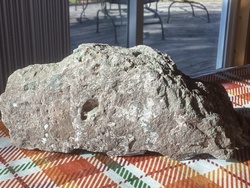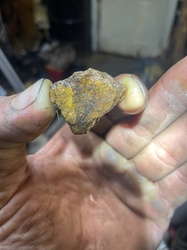
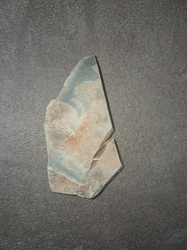
AI identification & appraisal estimate

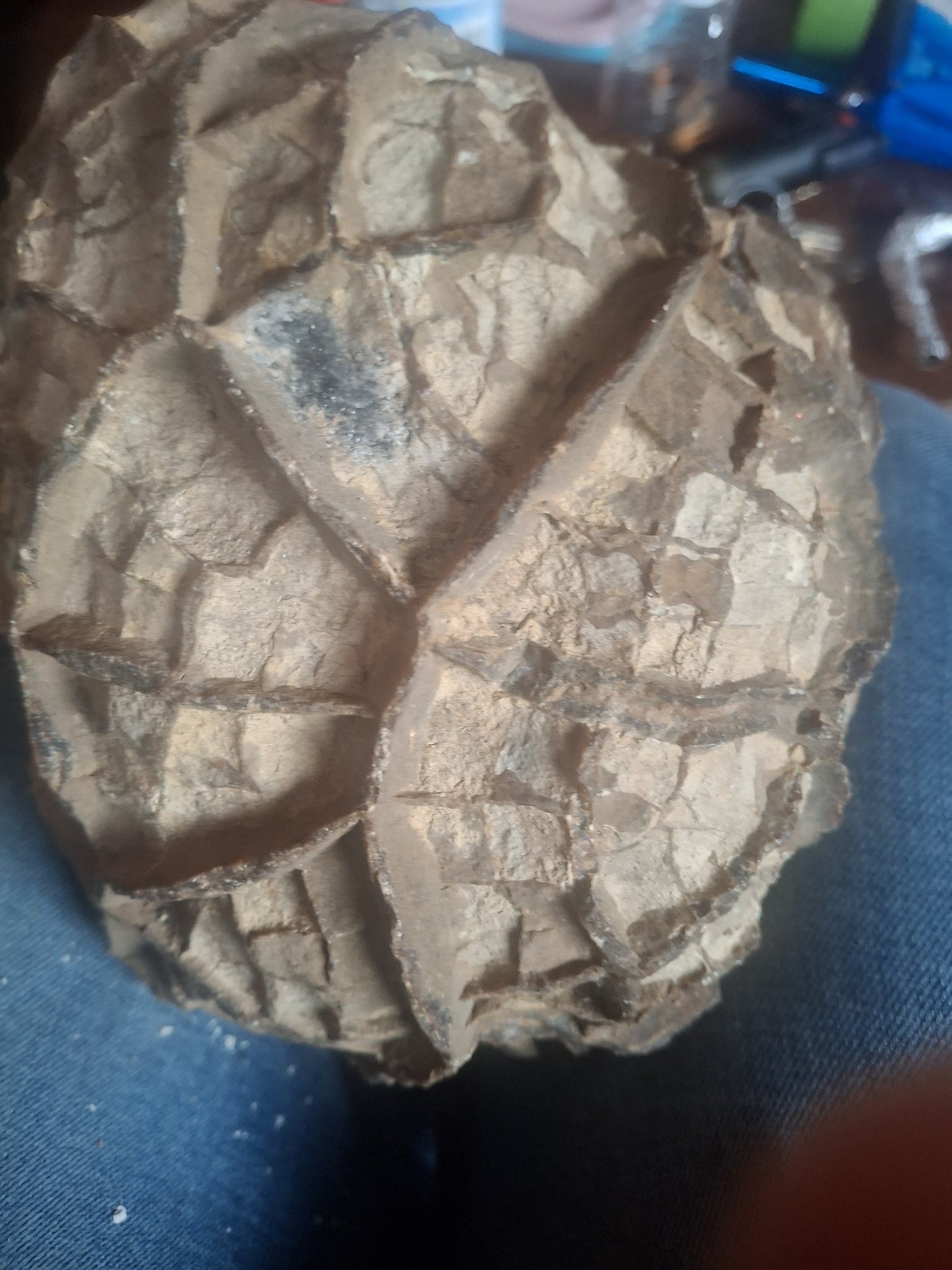
Septarian nodule

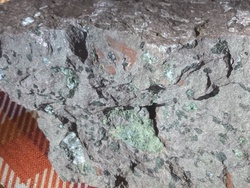
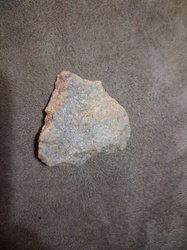
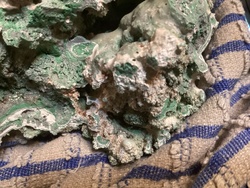
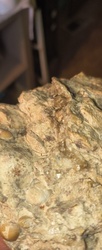
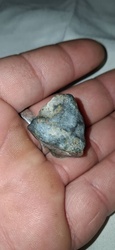
Submitted photo of Septarian nodule
Photo submitted by the user — not generated by AI

AI Estimated Value

Not an official valuation

$150 - $300

AI estimate as of November 19, 2026 · verify with a professional before acting

AI-Generated · Verify before acting

Everything on this page is generated by AI for informational purposes only. AI can make mistakes — the AI may misidentify items or misattribute them (artist, maker, brand, designer, origin, era). This is not an official valuation and should not be used for insurance, sale, tax, estate, legal, or lending purposes — or any decision requiring a certified appraisal. It is not an authoritative claim about any person, brand, or rights holder — do not share or rely on it as a factual statement about a third party. Always consult qualified professionals before making financial decisions.

Read the full disclaimer

AI Item Analysis

This specimen appears to be a natural geological formation, specifically a septarian nodule or concretion, often colloquially referred to as a turtle stone. The physical object is roughly rounded to spherical with an irregular, rough exterior surface characterized by a network of prominent, raised ridges or septae. These intersecting ridges divide the surface into polygonal or blocky sections, creating a fractured, mosaic-like appearance. The coloration is predominantly earthy tones of tan, brown, beige, and dark grey, with weathered textures visible across the raised matrix. There are no legible maker marks, signatures, labels, or inscriptions visible on the surface of the specimen. The identification is based purely on the distinct external morphology and characteristic septarian cracking pattern visible in the photograph. The condition shows natural weathering, rough edges, and surface pitting consistent with unpolished geological specimens found in sedimentary deposits. Without physical testing, mineralogical analysis, or further visual inspection of a cut cross-section, the precise mineral composition remains unverified, though such nodules typically consist of a mixture of calcite, aragonite, and limestone. The estimated age cannot be determined from the image alone, as geological formations span vast time scales.
AI Appraisal Report

Based on what I can see in the photograph, the specimen presents as a natural geological formation consistent with a septarian nodule, exhibiting the characteristic raised septae and polygonal fracturing typical of turtle stones. However, I cannot verify the exact mineral composition, internal structure, or geological origin from a photograph alone, as these factors would need physical inspection and scientific testing to evaluate accurately. Assuming the attribution as a natural septarian nodule is correct, specimens of this size, shape, and weathered condition generally trade in the $150 to $300 range within the current decorative minerals and fossil market, where demand is driven primarily by interior decorators and amateur collectors seeking aesthetic natural objects. If physical inspection were to reveal that the specimen is a man-made reproduction, replica, or cast rather than a natural concretion, the value would decrease significantly to a nominal decorative level of $25 to $50. To establish a more precise valuation and support the assumed identification, an in-person examination by a qualified mineralogist would be required to assess the integrity, matrix composition, and overall quality of the piece.

Keep exploring

More minerals and fossils appraisals

Get your items appraised

Instant AI-powered appraisal estimates from a photo

Browse More Appraisals