AI Appraisal Estimate

AI-generated estimates · not official valuations

From the user

What was submitted

Photo and notes provided by the user — not generated by AI

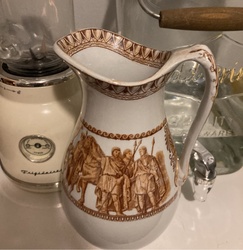
Submitted item photo
Submitted photo · May 28, 2026

User's notes

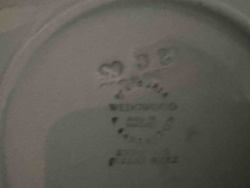
Antique pitcher. 6” H and 5” Diameter at base. Stamped on underside with Bouton / Burslem

AI analysis below

AI appraisal

AI analysis & estimate

AI-Generated · Verify before acting

Everything below is generated by AI for informational purposes only. AI can make mistakes — the AI may misidentify items or misattribute them (artist, maker, brand, designer, origin, era). This is not an official valuation and should not be used for insurance, sale, tax, estate, legal, or lending purposes — or any decision requiring a certified appraisal. It is not an authoritative claim about any person, brand, or rights holder — do not share or rely on it as a factual statement about a third party. Always consult qualified professionals before making financial decisions.

Note

This analysis also relies on unverified notes provided by the user, which may be incomplete or inaccurate and could affect the result.

Read the full disclaimer

AI Identification

·Not independently authenticated·Verify before acting

Doulton Burslem Blue and White Flow Blue Transferware Pitcher

Antique British Ceramics

AI Estimated Value

·Not an official valuation·Verify before acting

$175 - $250

As of May 28, 2026

AI Item Analysis

·AI can make mistakes·Verify before acting
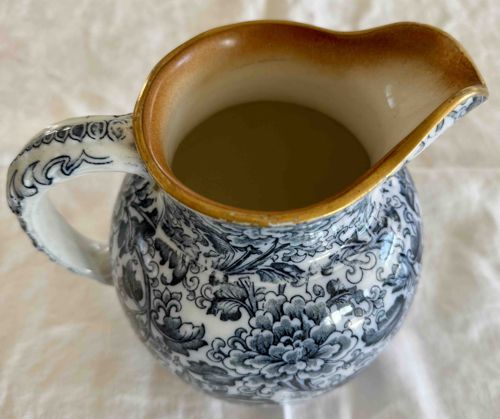
This is an antique ceramic pitcher, measuring approximately 6 inches in height and 5 inches in diameter at the base. It features a classic 'Doulton Burslem' stamp on the underside, indicating it was produced in the late 19th century by the prestigious Doulton & Co. in Burslem, Stoke-on-Trent, England. The exterior is decorated with a rich, dark blue flow blue transferware pattern featuring intricate floral motifs, likely chrysanthemums or peonies, set against a white glazed ground. The aesthetic is characteristic of the late Victorian era, showcasing elaborate organic scrolls and dense botanical detailing. The pitcher possesses a rounded, bulbous body with a tapered neck and an elegant, curved spout. The interior rim and the top edge of the spout are finished with a lustrous gold or gilt wash that provides a luxurious contrast to the blue transfer. The handle is notably ornately molded with textured, scale-like or leaf-like patterns that are also accented with blue pigment. Regarding condition, there is visible wear to the gilt rim, showing some thinning and minor losses consistent with age and regular use. The ceramic surface appears to have a fine crazing under the glaze, which is typical for earthenware of this period. There are no immediate signs of major structural cracks or large chips visible in the primary image, though the overall patina suggests a well-preserved antique state. The craftsmanship is high, evidenced by the sharpness of the transfer printing and the weight of the ceramic body.
AI Appraisal Report

·AI can make mistakes·Verify before acting
I have carefully examined the provided images and descriptions of this Doulton Burslem flow blue pitcher. The 'Doulton Burslem' backstamp consistently dates this piece between 1882 and 1902, placing it firmly in the late Victorian era. The floral transferware displays the characteristic 'bleed' or flow effect highly prized by collectors of this period, and the gilt accents on the scalloped rim and molded handle suggest a higher-tier production line for the Stoke-on-Trent pottery. Condition-wise, the visible crazing and gilt wear are expected for earthenware of this age and do not significantly detract from the value, provided there are no hidden hairlines. The market for Flow Blue remains stable, though prices have softened from the peaks of the early 2000s. Demand is currently driven by pieces with high-contrast 'inky' blue tones and intact gilding. This pitcher is a desirable cabinet piece due to its manageable 6-inch scale and the prestige of the Doulton brand. Limitations: My assessment is based solely on digital images. A definitive valuation and authentication require a physical inspection to check for professional restorations (which can be hidden under UV light), to verify the 'ring' or resonance of the ceramic to rule out internal structural cracks, and to examine the glaze for any signs of post-manufacturer grinding. Full authentication would benefit from provenance records or original bill-of-sale documentation. In its current state, the value reflects a retail replacement estimate for a well-preserved authentic example of Mass-produced Victorian transferware.

Get your items appraised

Instant estimates of your treasures with AI-powered appraisals

Browse More Appraisals