AI identification & appraisal estimate

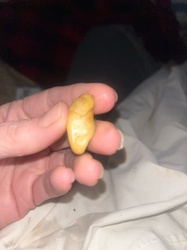
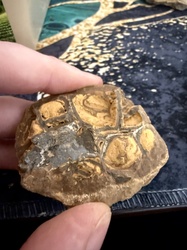
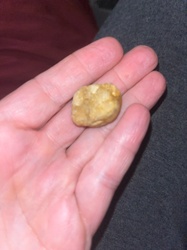
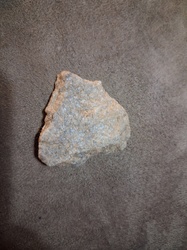
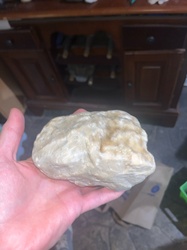
Small mineral specimen appearing consistent with iron-rich sandstone or geode fragment

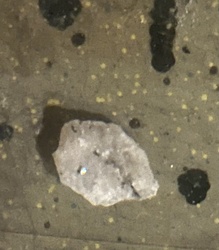
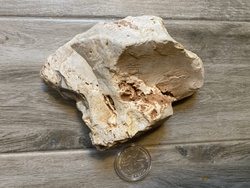
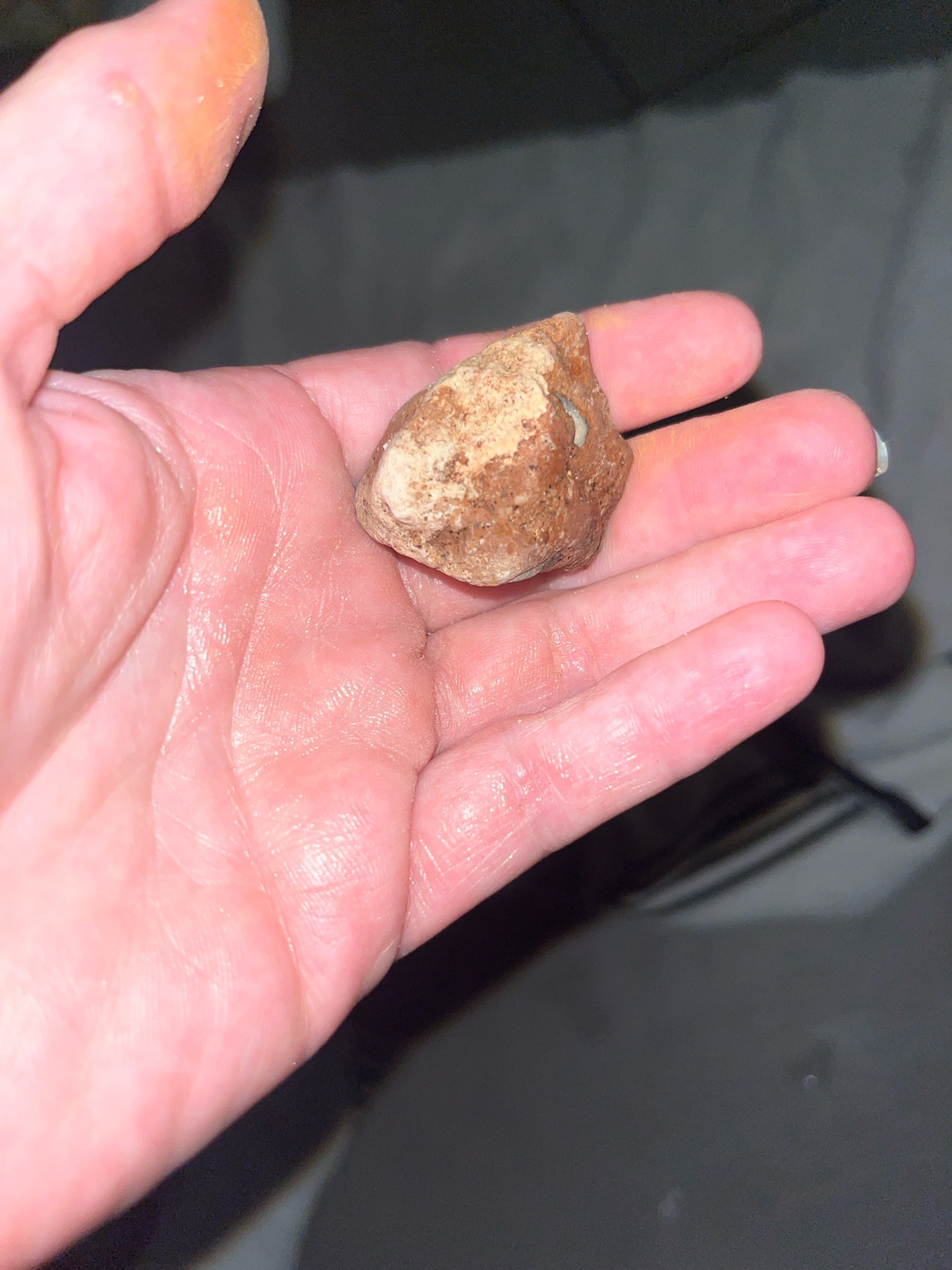
Submitted photo of Small mineral specimen appearing consistent with iron-rich sandstone or geode fragment
Photo submitted by the user — not generated by AI

AI Estimated Value

Not an official valuation

$5.00 - $15.00

AI estimate as of July 1, 2026 · verify with a professional before acting

AI-Generated · Verify before acting

Everything on this page is generated by AI for informational purposes only. AI can make mistakes — the AI may misidentify items or misattribute them (artist, maker, brand, designer, origin, era). This is not an official valuation and should not be used for insurance, sale, tax, estate, legal, or lending purposes — or any decision requiring a certified appraisal. It is not an authoritative claim about any person, brand, or rights holder — do not share or rely on it as a factual statement about a third party. Always consult qualified professionals before making financial decisions.

Read the full disclaimer

AI Item Analysis

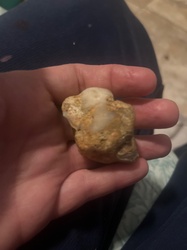
This item is a small, irregularly shaped mineral specimen held in a hand for scale, measuring approximately 2-3 centimeters in length. The object displays a rough, granular surface texture with a predominantly ochre, reddish-brown, and earthy tan color palette, which is often characteristic of iron-oxide staining or sedimentary rock formations. There is a notable lighter, cream-colored patch on one face that appears more porous or chalky in nature. On the upper right edge, a small, smooth, slightly translucent greyish inclusion is visible, which could suggest a quartz or chalcedony node consistent with the interior of a small geode fragment or a concretion. The overall shape is angular with some rounded edges, suggesting natural weathering or fracturing rather than intentional tool-shaping. There are no visible maker's marks, signatures, or inscriptions, which is typical for raw geological samples. Without physical testing for hardness, density, or chemical composition, this identification remains a hypothesis based on visual morphological characteristics. The condition appears natural with surface dirt and typical geological surface wear; there are no signs of modern industrial processing.
AI Appraisal Report

I have examined the provided image of the small mineral specimen, which appears consistent with an iron-rich sandstone or a geode fragment. Based on what I can see, the specimen displays a granular texture and iron-oxide staining common in sedimentary formations. I can't verify from a photo the exact mineral composition; physical inspection for hardness and density would be required to confirm whether the greyish inclusion is indeed quartz or chalcedony. The value estimate is based on the assumption that this is a common geological sample. If the specimen were found to contain a rare inclusion or high-grade druzy quartz upon internal inspection, the value could slightly increase. However, the current market for small, unpolished raw minerals of this type is dominated by low-cost educational or hobbyist items, which typically sell in the $5.00 to $15.00 range. The lack of a clear crystalline structure or a polished face limits its appeal to specialized collectors. Demand for such items is generally steady but low-value unless associated with a significant, documented locality. To move beyond this hypothesis, scientific testing and an in-person examination by a mineralogist would be necessary. If the item were discovered to be an industrial byproduct or a common garden stone rather than a natural mineral specimen, the value would be negligible. As an unauthenticated geological find without documented provenance, the current valuation reflects its status as a common natural curiosity.

Keep exploring

More rocks and minerals appraisals

Get your items appraised

Instant AI-powered appraisal estimates from a photo

Browse More Appraisals