AI Appraisal Estimate

AI-generated estimates · not official valuations

From the user

What was submitted

Photo and notes provided by the user — not generated by AI

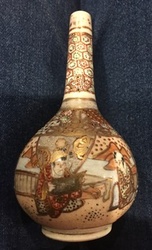
Submitted item photo
Submitted photo · June 6, 2026

User's notes

No additional notes provided.

AI analysis below

AI appraisal

AI analysis & estimate

AI-Generated · Verify before acting

Everything below is generated by AI for informational purposes only. AI can make mistakes — the AI may misidentify items or misattribute them (artist, maker, brand, designer, origin, era). This is not an official valuation and should not be used for insurance, sale, tax, estate, legal, or lending purposes — or any decision requiring a certified appraisal. It is not an authoritative claim about any person, brand, or rights holder — do not share or rely on it as a factual statement about a third party. Always consult qualified professionals before making financial decisions.

Read the full disclaimer

AI Identification

·Not independently authenticated·Verify before acting

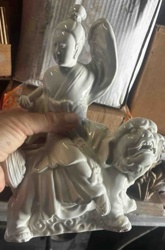
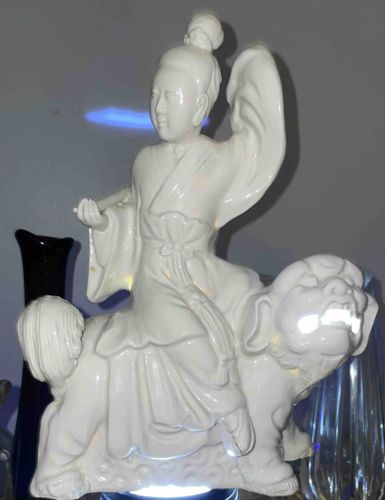
White Glazed Porcelain Figurine of a Woman Riding a Guardian Lion (Shishi)

Asian Art and Ceramics

AI Estimated Value

·Not an official valuation·Verify before acting

$450 - $700

As of June 6, 2026

AI Item Analysis

·AI can make mistakes·Verify before acting
This is a monochrome white porcelain figurine depicting a graceful female figure, possibly a deity or auspicious character, seated atop a stylized guardian lion, often referred to as a Shishi or Foo Dog. The piece is characterized by its lustrous, creamy white glaze, suggestive of Dehua porcelain ('Blanc de Chine') or a similar high-fired stoneware. The woman is dressed in traditional flowing robes with wide sleeves, her hair styled in a high, intricate buns. One arm is raised in a flowing gesture while the other holds a slender object, potentially a flute or scroll. The lion below features classic mythological attributes: curly fur mane, bulging eyes, and a wide, open-mouthed expression showing teeth. The construction involves intricate molding and manual finishing, visible in the delicate definition of the facial features and the folds of the garments. Regarding condition, the glaze appears largely intact with a high gloss, though there are minor dark specks and slight yellowing in crevices that may indicate aged dust or minor firing imperfections. No significant cracks or chips are immediately visible in the primary structure, though the base edges and extremities would require tactile inspection for small 'flea bites.' This style is reminiscent of 20th-century reproductions of Qing dynasty porcelain, showcasing a blend of traditional religious iconography and decorative craft. The craftsmanship is of mid-to-high quality, with fluid lines that convey movement in the drapery.
AI Appraisal Report

·AI can make mistakes·Verify before acting
I have virtually examined this monochrome white-glazed porcelain figurine of a woman atop a Shishi. Based on the lustrous, slightly creamy 'Blanc de Chine' style glaze and the specific modeling of the hair and drapery, this piece appears to be a high-quality 20th-century decorative work in the manner of the Qing Dynasty (18th-19th century). The craftsmanship shows excellent fluid movement, particularly in the robe's folds and the lion’s mane; however, the crispness of certain details and the base characteristics suggest a more contemporary production (Reproduction/Vintage Mid-Century) rather than a period antique. The condition appears very good with standard firing specks but no major structural losses noted. The market for mid-to-high quality Blanc de Chine remains steady among collectors of Asian decorative arts, though it lacks the explosive demand of marked imperial polychrome wares. Comparables for unsigned 20th-century Dehua-style figures of this scale typically realize several hundred dollars at auction. The value is driven by the aesthetic appeal and the complexity of the molding. It is important to note that a definitive determination of age cannot be made from images alone. A physical inspection is required to check the 'foot rim' for paste composition, look for kiln grit, and verify the presence of any incised marks or potter's seals often hidden in the interior. Scientific testing, such as thermoluminescence, would be necessary to confirm an earlier date of production if an 18th-century origin were suspected, which would significantly increase the valuation into the thousands.

Get your items appraised

Instant estimates of your treasures with AI-powered appraisals

Browse More Appraisals