AI identification & appraisal estimate

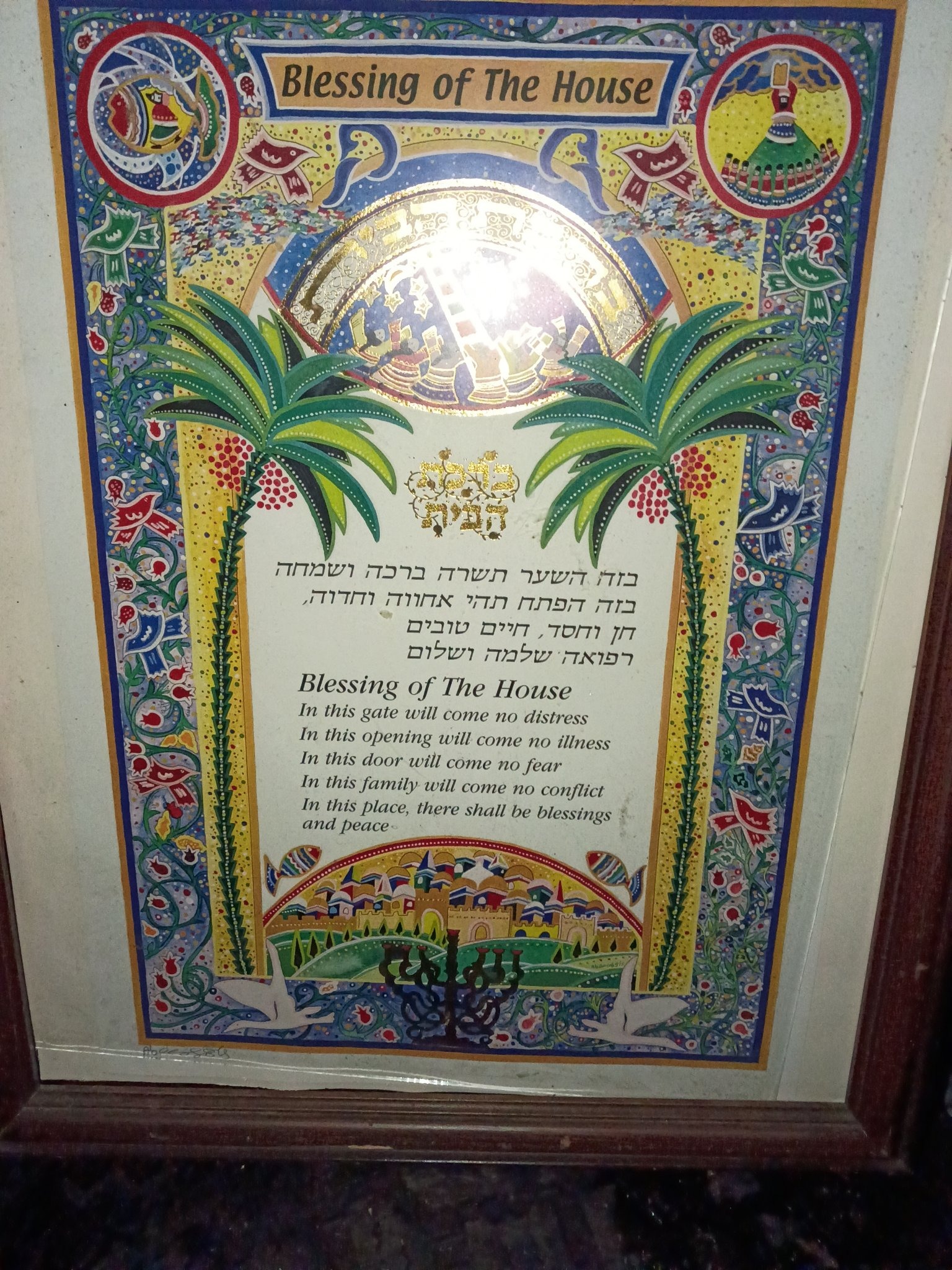
Illuminated 'Blessing of the House' print in the Judaic folk-art style

Submitted photo of Illuminated 'Blessing of the House' print in the Judaic folk-art style
Photo submitted by the user — not generated by AI

User's notes

Category: Art

These notes were written by the person who submitted this item. Appraiser.AI has not verified them, and the AI's identification and estimate may rely on them.

AI Estimated Value

Not an official valuation

$60 - $150

AI estimate as of July 17, 2026 · verify with a professional before acting

AI-Generated · Verify before acting

Everything on this page is generated by AI for informational purposes only. AI can make mistakes — the AI may misidentify items or misattribute them (artist, maker, brand, designer, origin, era). This is not an official valuation and should not be used for insurance, sale, tax, estate, legal, or lending purposes — or any decision requiring a certified appraisal. It is not an authoritative claim about any person, brand, or rights holder — do not share or rely on it as a factual statement about a third party. Always consult qualified professionals before making financial decisions.

This analysis also relies on unverified notes provided by the user, which may be incomplete or inaccurate and could affect the result.

Read the full disclaimer

AI Item Analysis

This framed piece appears to be a colorful, illuminated print or lithograph featuring a traditional 'Blessing of the House' (Birkat HaBayit). The work is stylistically consistent with modern Judaic folk art, utilizing vibrant primary and secondary colors including red, blue, green, and yellow, accented with metallic-colored foil or ink to simulate traditional gilding. The central composition features two palm trees flanking a text block in both Hebrew and English. The English text reads: 'Blessing of the House / In this gate will come no distress / In this opening will come no illness / In this door will come no fear / In this family will come no conflict / In this place, there shall be blessings and peace'. Surrounding the text are intricate borders containing motifs such as birds, fish, fruit, and a stylized depiction of a city (likely Jerusalem) at the base above a menorah icon. The top portion includes a gold-toned semi-circle and two roundels depicting a boat and a group of figures. While there is a faint inscription in the lower-left margin that may indicate a signature or edition, it is not clearly legible enough to provide a definitive artist name or production year without physical inspection; the identification remains unverified. The item is housed in a dark wood frame behind glass. Condition appears generally good with no visible tears, though the metallic elements may show light reflection or potential fading consistent with age and display.

AI Appraisal Report

Based on the photograph provided, I have examined this framed Judaic folk-art print. From what I can see, the piece displays a complex composition of the 'Birkat HaBayit' (Blessing of the House) featuring motifs typical of modern illuminated lithography, including palm trees, Jerusalem iconography, and metallic-toned accents. I can determine the presence of a faint inscription in the lower-left margin, but I cannot verify if this is a hand-signed signature or part of the printed edition without a physical inspection. The appraisal value is based on the assumption that this is a contemporary, high-quality lithographic print in stable condition. The market for Judaic folk art and house blessings is generally robust for decorative purposes, though values are heavily influenced by whether the work is a limited edition, a mass-produced open-edition print, or a hand-embellished work. Per the user submission, this is categorized as art, but the specific artist remains unverified. If this were to be identified as the work of a well-known Judaic artist like Mickie Druckerman or similar contemporary masters, the value would lean toward the higher end of the range. Conversely, if it is a standard commercial reproduction, the value would likely fall below $50. To establish a more precise valuation, a physical examination would be required to determine the medium (e.g., silk screen vs. offset lithography) and the nature of the gold accents. Checking for a watermark, inspecting the signature under magnification, and reviewing any provenance or certificates of authenticity would be necessary. Without authentication, the piece is valued primarily for its decorative and religious appeal within the secondary market.

Keep exploring

More art appraisals

Get your items appraised

Instant AI-powered appraisal estimates from a photo

Browse More Appraisals