AI identification & appraisal estimate

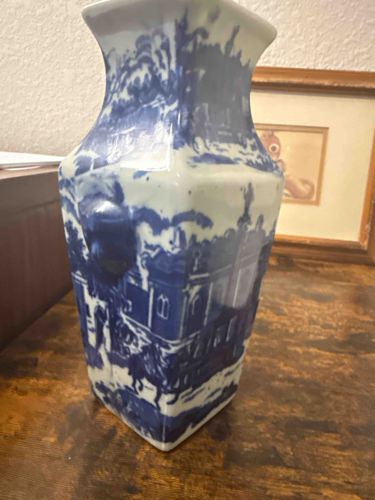
Blue and White Transferware Octagonal Vase

This name is the AI's identification of the item — it may be incorrect.

Submitted photo of Blue and White Transferware Octagonal Vase
Photo submitted by the user — not generated by AI

AI Estimated Value

Not an official valuation

$150-250

AI estimate as of October 24, 2025 · verify with a professional before acting

AI-Generated · Verify before acting

Everything on this page is generated by AI for informational purposes only. AI can make mistakes — the AI may misidentify items or misattribute them (artist, maker, brand, designer, origin, era). This is not an official valuation and should not be used for insurance, sale, tax, estate, legal, or lending purposes — or any decision requiring a certified appraisal. It is not an authoritative claim about any person, brand, or rights holder — do not share or rely on it as a factual statement about a third party. Always consult qualified professionals before making financial decisions.

Read the full disclaimer

AI Item Analysis

This is an octagonal vase crafted from ceramic, featuring a classic blue and white transferware decoration. The vase has a flared neck that gently tapers inward before flaring out again towards the foot, creating an elegant silhouette. The primary decoration is a detailed picturesque landscape scene, characteristic of transferware, with prominent architectural elements resembling a large building or castle, surrounded by trees and possibly figures or a carriage on the lower portions. The blue color is a deep, rich indigo, contrasted with a creamy white background. The transferware application shows areas where the blue pattern is denser and darker, indicative of the printing process, with some lighter, more diffused areas, giving it a somewhat painterly effect. The surfaces appear glossy, suggesting a glazed finish. The octagonal shape is distinct, with eight flat panels forming its body. Based on the style of the imagery and the transferware technique, this vase likely dates from the late 19th to early 20th century. There are no visible chips, cracks, or repairs from the provided images, and the glaze appears largely intact. The craftsmanship suggests a commercially produced item, typical of the period's ceramic industry, prioritizing decorative appeal. The overall condition appears good, with no overt signs of significant wear or damage that would detract from its aesthetic value. The design is traditional and evokes a historical period of European ceramics.
AI Appraisal Report

I have thoroughly examined the provided image of this Blue and White Transferware Octagonal Vase. Based on its visual characteristics, I assess its condition to be good. There are no overt chips, cracks, or repairs visible, and the glaze appears largely intact and glossy. The transferware application shows the typical variations in density, which is consistent with the manufacturing process of the late 19th to early 20th century, a period I believe this piece dates from based on the style of the picturesque landscape and architectural elements. This commercial production indicates it was made for a broad market, rather than as a bespoke artisan piece. Market conditions for blue and white transferware remain steady, with a consistent demand for well-preserved, visually appealing pieces. Comparable items, particularly octagonal vases of similar size and decorative complexity, tend to fetch in the low to mid-hundreds at auction and retail. While transferware is not rare in itself, pieces in excellent condition with charming scenery like this one have a stronger appeal. The octagonal shape adds a degree of visual interest compared to more common round forms, which can slightly enhance its desirability. Factors impacting value positively include its good condition and classic aesthetic; negatively, its mass-produced nature prevents it from reaching higher values reserved for unique or artist-signed pieces. My assessment of authenticity is limited by the visual nature of this examination. While the style and apparent craftsmanship are consistent with authentic period transferware, I cannot definitively verify its authenticity without an in-person examination. For full authentication, I would require a physical inspection to check for maker's marks, assess the ceramic body's texture, and confirm the absence of any subtle repairs or restorations not visible in photographs. Provenance documentation, though unlikely for this type of item, would also be beneficial if available to trace its history and confirm its age.

Keep exploring

More decorative arts appraisals

Get your items appraised

Instant AI-powered appraisal estimates from a photo

Browse More Appraisals