AI Appraisal Estimate

AI-generated estimates · not official valuations

From the user

What was submitted

Photo and notes provided by the user — not generated by AI

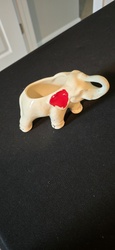
Submitted item photo
Submitted photo · June 17, 2026

User's notes

45 years old

AI analysis below

AI appraisal

AI analysis & estimate

AI-Generated · Verify before acting

Everything below is generated by AI for informational purposes only. AI can make mistakes — the AI may misidentify items or misattribute them (artist, maker, brand, designer, origin, era). This is not an official valuation and should not be used for insurance, sale, tax, estate, legal, or lending purposes — or any decision requiring a certified appraisal. It is not an authoritative claim about any person, brand, or rights holder — do not share or rely on it as a factual statement about a third party. Always consult qualified professionals before making financial decisions.

Note

This analysis also relies on unverified notes provided by the user, which may be incomplete or inaccurate and could affect the result.

Read the full disclaimer

AI Identification

·Not independently authenticated·Verify before acting

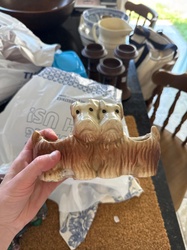
Vintage Anthropomorphic Ceramic Cat Planter

Vintage Collectible Ceramics / Decorative Planters

AI Estimated Value

·Not an official valuation·Verify before acting

$15.00 - $25.00

As of June 17, 2026

AI Item Analysis

·AI can make mistakes·Verify before acting
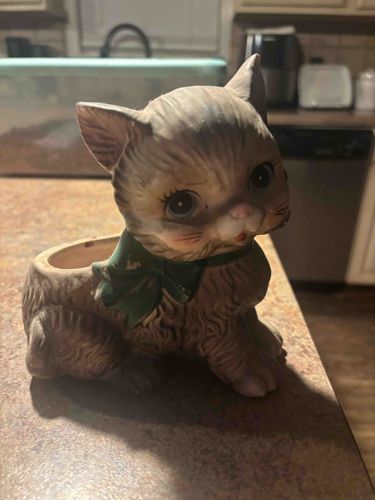
This is a vintage ceramic planter shaped like an anthropomorphic kitten, estimated to be approximately 45 years old (circa late 1970s). The item is constructed from molded earthenware or slip-cast ceramic with a matte, cold-painted finish. Physically, it features a large-headed kitten with oversized dark brown eyes, painted eyelashes, a pink nose, and a green bow tied around its neck. The 'fur' texture is deeply molded throughout the body. The color palette consists of variegated shades of tan and taupe with darker brown accents used to define the fur's depth. The back of the kitten is hollowed out to serve as a small vessel or planter. Notable features include the expressive, wide-eyed 'sad kitten' aesthetic popular in mid-to-late 20th-century kitsch decor. Regarding condition, there is visible paint loss and chipping on the green bow, revealing the underlying lighter ceramic body. There are also small abrasions around the inner rim of the planter and general surface grittiness consistent with age. No visible maker's marks are seen in this view, though such items were commonly produced by companies like Relpo, Napco, or as hobbyist ceramic molds. The craftsmanship is typical of mass-produced decorative giftware of the 1970s.
AI Appraisal Report

·AI can make mistakes·Verify before acting
I have virtually examined this vintage anthropomorphic kitten planter, which appears to be a classic example of 1970s kitsch decorative giftware. The piece utilizes a slip-cast earthenware body with a cold-painted (non-fired) finish. Based on the aesthetic, it likely originates from a Japanese export firm such as Napco or Relpo, or was produced as a hobbyist piece from a popular 'Atlantic' or 'Kimple' mold. My assessment of the condition reveals significant paint loss on the cold-painted green bow and general surface abrasions, which are common for this type of finish but serve to decrease the market value for serious collectors of vintage ceramics. The market for mid-century and late-century 'sad-eyed' animals remains stable among kitsch enthusiasts, though values are currently dampened by a high volume of supply and the item's relatively common design. Comparable sales for similar planters in excellent condition typically reach $35, but the visible wear here necessitates a lower valuation. It is important to note that without a physical inspection or a visible maker's mark, I cannot definitively confirm its origin or identify it as a specific 'signed' collectible. A physical examination would be required to rule out more significant structural issues like hairline fractures or 'crazing' under the glaze, which are not visible in the provided image. Provenance documentation or a manufacturer's label on the base would be necessary to increase the item's desirability and confirm its commercial heritage.

Get your items appraised

Instant estimates of your treasures with AI-powered appraisals

Browse More Appraisals