AI Appraisal Estimate

AI-generated estimates · not official valuations

From the user

What was submitted

Photo and notes provided by the user — not generated by AI

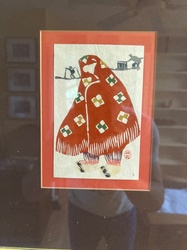
Submitted item photo
Submitted photo · May 27, 2026

User's notes

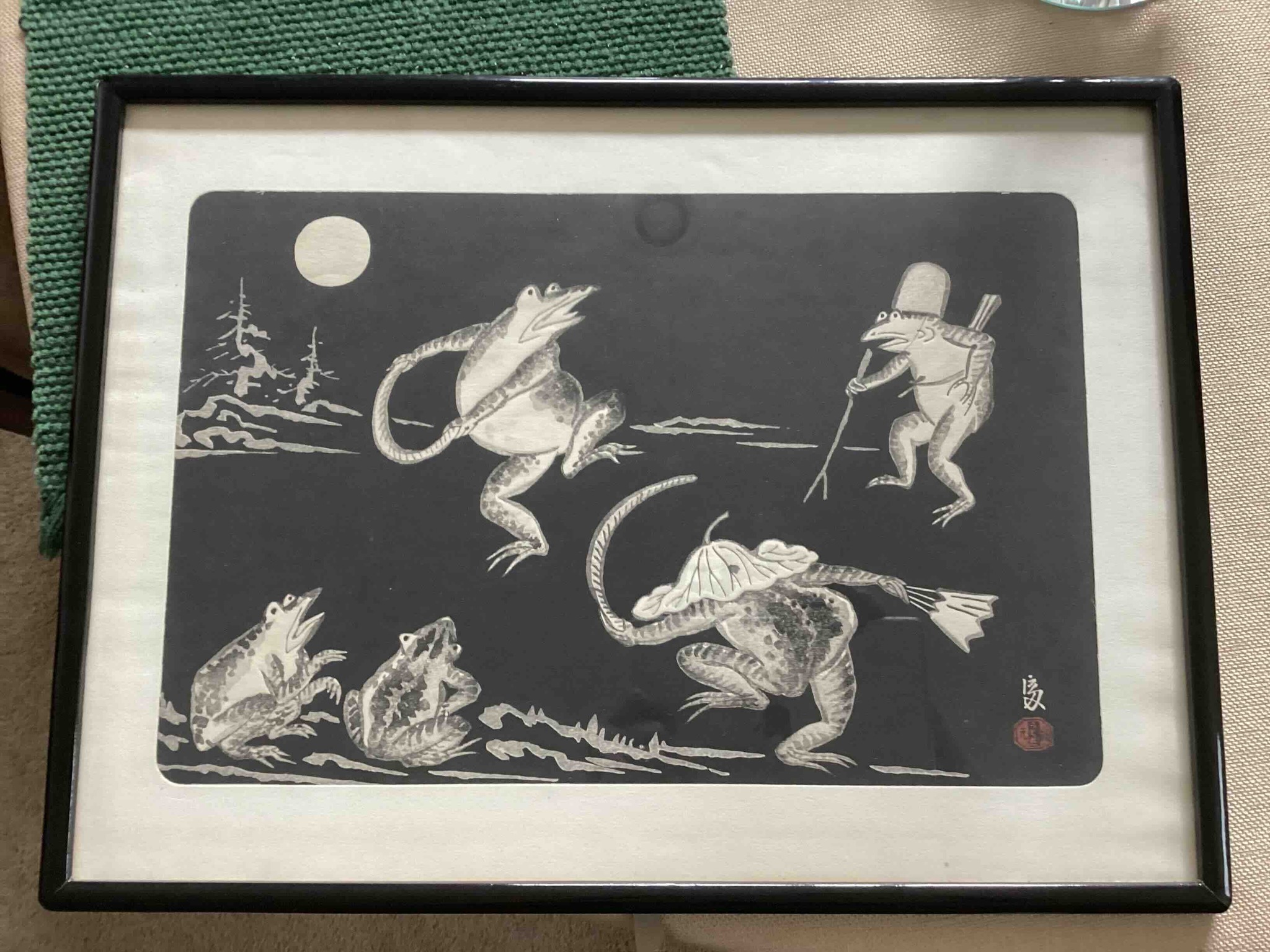
dancing frogs. “Tokuriki Tomikichiro

AI analysis below

AI appraisal

AI analysis & estimate

AI-Generated · Verify before acting

Everything below is generated by AI for informational purposes only. AI can make mistakes — the AI may misidentify items or misattribute them (artist, maker, brand, designer, origin, era). This is not an official valuation and should not be used for insurance, sale, tax, estate, legal, or lending purposes — or any decision requiring a certified appraisal. It is not an authoritative claim about any person, brand, or rights holder — do not share or rely on it as a factual statement about a third party. Always consult qualified professionals before making financial decisions.

Note

This analysis also relies on unverified notes provided by the user, which may be incomplete or inaccurate and could affect the result.

Read the full disclaimer

AI Identification

·Not independently authenticated·Verify before acting

Tokuriki Tomikichiro 'Dancing Frogs' Woodblock Print

Fine Art - Japanese Prints

AI Estimated Value

·Not an official valuation·Verify before acting

$450 - $650

As of May 27, 2026

AI Item Analysis

·AI can make mistakes·Verify before acting
This is a framed Japanese woodblock print (upro-e) by the renowned artist Tokuriki Tomikichiro (1902-2000), belonging to the Sosaku-hanga or Shin-hanga traditions of the 20th century. The artwork features an ensemble of anthropomorphic frogs engaged in a nocturnal dance under a full moon, rendered in a monochrome 'sumi-e' style with stark black, white, and varying shades of grey. The composition depicts frogs utilizing natural elements as accessories, such as a lotus leaf worn as a hat and a bamboo stalk used as a staff, reminiscent of the classical 'Choju-giga' (Frolicking Animals) scrolls. Physically, the print is set against a dark, solid background that emphasizes the textured, dappled patterns on the frogs' skin and the fine linework of the pine trees in the distance. The piece is signed with a calligraphic character and stamped with the artist's red seal (hankon) in the lower right corner. It is mounted within a cream-colored mat and a simple black rectangular frame. The condition appears fair to good; there is a minor circular stain or discoloration visible in the upper center of the black sky area, suggesting possible moisture contact or an old adhesive mark. The paper shows slight natural aging, yet the contrast remains sharp, showcasing Tokuriki's skill in blending traditional motifs with modern graphic sensibilities.
AI Appraisal Report

·AI can make mistakes·Verify before acting
Upon my virtual examination of this woodblock print, the work is attributed to Tokuriki Tomikichiro (1902-2000), a pivotal figure in the 20th-century Japanese woodblock movement. The subject matter—anthropomorphic frogs—is a charming homage to the 12th-century 'Choju-giga' (Frolicking Animals) scrolls, which remains a highly collectible motif. The artist's red seal (hankon) and calligraphic signature appear consistent with known examples from Tokuriki’s mid-career output. The monochrome palette suggests a focus on texture and form, characteristic of his more experimental 'sosaku-hanga' (creative print) sensibilities. Regarding condition, the 'sumi' ink remains saturated, providing excellent contrast. However, the circular discoloration in the upper register appears to be a 'foxing' spot or a moisture-induced stain, which reduces the potential value for a 'mint' specimen. Additionally, the framing potentially conceals the margins, where edition numbers or publisher marks often reside. The market for Tokuriki's playful animal subjects is currently stable, though prices vary significantly based on the edition (early lifetime vs. posthumous). This specific design is less common than his Kyoto landscapes, adding a degree of rarity. Please note: a definitive determination of authenticity and value is limited by the digital format. A physical inspection is required to verify the paper's watermark, check for 'hinging' damage on the reverse, and confirm the ink's absorption into the fiber to rule out modern photomechanical reproductions. Documentation of provenance or a bill of sale from a reputable gallery would further solidify this valuation.

Get your items appraised

Instant estimates of your treasures with AI-powered appraisals

Browse More Appraisals