AI Appraisal Estimate

AI-generated estimates · not official valuations

From the user

What was submitted

Photo and notes provided by the user — not generated by AI

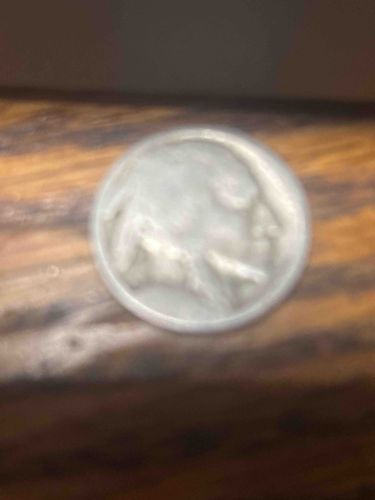
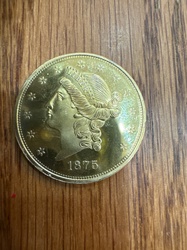
Submitted item photo
Submitted photo · May 25, 2026

User's notes

No additional notes provided.

AI analysis below

AI appraisal

AI analysis & estimate

AI-Generated · Verify before acting

Everything below is generated by AI for informational purposes only. AI can make mistakes — the AI may misidentify items or misattribute them (artist, maker, brand, designer, origin, era). This is not an official valuation and should not be used for insurance, sale, tax, estate, legal, or lending purposes — or any decision requiring a certified appraisal. It is not an authoritative claim about any person, brand, or rights holder — do not share or rely on it as a factual statement about a third party. Always consult qualified professionals before making financial decisions.

Read the full disclaimer

AI Identification

·Not independently authenticated·Verify before acting

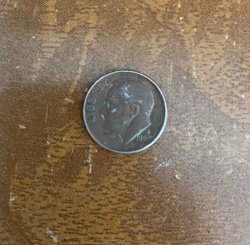
Buffalo Nickel (Obverse)

Coinage

AI Estimated Value

·Not an official valuation·Verify before acting

$5-20

As of May 25, 2026

AI Item Analysis

·AI can make mistakes·Verify before acting
The item depicted is the obverse (front) side of a Buffalo Nickel, also known as an Indian Head Nickel. While the image quality is somewhat blurry, the distinct profile of a Native American chief is clearly visible, facing right. This coin is typically composed of 75% copper and 25% nickel, giving it a characteristic silvery-gray appearance. The coin is circular with a raised rim, and the portrait occupies the majority of the central field. Details regarding the headdress, facial features, and hair are somewhat obscured due to the blurriness of the photograph, but the general outlines are discernible. There are no clear visible markings such as dates or mint marks from this perspective, nor are there any easily identifiable signs of extreme wear, damage, or repairs, though a slight overall dullness or patina might be present consistent with an aged coin. The craftsmanship, though not perfectly clear, suggests the quality typical of circulating coinage from the early to mid-20th century in the United States. Key features such as the aquiline nose and prominent brow are visible, characteristic of James Earle Fraser's iconic design. The item appears to be in an acceptable, circulated condition given the lack of obvious major flaws, but the exact grade cannot be determined without a clearer image. This coin design was produced from 1913 to 1938, placing its estimated age within that period.
AI Appraisal Report

·AI can make mistakes·Verify before acting
I have examined the provided image of the obverse of a Buffalo Nickel. Based on the visual evidence, the coin appears to be an authentic Buffalo Nickel, identifiable by James Earle Fraser's distinct Native American profile. The composition, although not verifiable from a photograph, is consistent with the standard copper-nickel alloy for this coinage. The overall condition appears to be circulated, exhibiting some wear consistent with age, but no obvious major damage, repairs, or detrimental ENVIRONMENTAL factors that would significantly reduce its value below a typical circulated example. The blurry nature of the photograph, however, severely limits my ability to discern finer details such as minute scratches, nicks, or the extent of wear on high points, which are crucial for precise grading. Without a clear view of the date and mint mark, precise identification of specific varieties or key dates is impossible. This significantly impacts its potential market value, as certain dates and mint marks can command significantly higher premiums. Market conditions for common date, circulated Buffalo Nickels are stable, with prices typically ranging from a few dollars to twenty depending on the specific wear and lack of egregious flaws. Demand for common raw examples is moderate among collectors. For full authentication and accurate grading, an in-person examination is essential to assess surface integrity, luster, and to definitively identify the date and mint mark. Scientific testing could verify metal composition if necessary, and provenance documentation could add historical context, though it's less critical for common circulating coinage.

Get your items appraised

Instant estimates of your treasures with AI-powered appraisals

Browse More Appraisals